
Spy microphone laws: United Kingdom, Europe and worldwide
LEGAL GUIDE · UK AND INTERNATIONAL · 30 OCTOBER 2026
Spy microphone laws in the United Kingdom require separate consideration of equipment, recording, interception, privacy and subsequent use. This guide starts with UK references and distinguishes personal conversations from organised business monitoring. It then compares France, French-speaking countries, Europe and selected worldwide examples.
The aim is to answer practical questions before using a hidden microphone or audio recorder: who participates, what is collected, who receives the sound and how long it is retained. Examples describe authorised sessions and manageable procedures. They do not promise universal permission. Official sources were consulted on 30 October 2026.
Links point to official texts, data protection authorities and jurisdictions. The tables are intended to guide you: they do not constitute individual authorizations. The procedural examples are organizational proposals to be adapted. A project involving conflict, employees, minors, professional secrecy or multiple countries must be examined based on its precise facts.
A device available for sale is not permission to monitor. Evidence possibly examined by a judge does not automatically make its collection lawful. Agreement to record does not necessarily constitute agreement to publish.
For technical characteristics, consult the complete guide to the spy microphone. This file delves deeper into legal decisions and management practices. You can read it in order or use the summary to find your situation. The consultation date signals the verification work; it does not promise that the rules will remain the same after a reform.
Three decisions to keep separate
The equipment
Identify the model and relevant requirements before purchase or travel.
Check the equipmentContents of the legal guide
1. Legal or prohibited spy microphone: the first answers
The right question is: who captures what words, in what context and for what use? The commercial term “spy” does not correspond to a universal legal regime. A visible dictaphone, a telephone and a miniature module can ask similar questions when used to record the same conversation. Conversely, two externally similar devices may have different regulatory status depending on their design.
| Your question | First point to consider | Where to dig deeper |
|---|---|---|
| Can I buy or own this device? | Equipment classification and possible authorizations | Equipment and regulations |
| Can I record this conversation? | Words concerned, participants and national framework | UK framework |
| Can I listen without saving ? | Capture and transmission, even without a file | Live listening |
| Can I produce a file in court? | Procedure, necessity and judge's assessment | Right to proof |
| Can I share it or publish it? | Personal rights and new destination | Communication and diffusion |
Avoid a conclusion based on a single element: being the owner of the place, being present, wanting to protect oneself or not broadcasting does not solve everything. Instead, describe a limited operation. For example, “record an announced interview to prepare a report for two designated individuals” is more specific than “keep a record just in case.” This description then makes it possible to search for the applicable framework.
The method of this file consists of treating the decisions in their actual order. The legality of the collection comes before the choice of memory. Recipients are defined before opening a shared account. Handling of a disagreement is planned before the meeting. This avoids discovering a difficulty when actual conversations are already recorded and multiple copies exist.
2. Buying, possessing and travelling with audio equipment
Check the equipment and the intended operation separately
A microphone, a recorder and equipment designed for interception are not interchangeable legal categories. A product name, a successful delivery or a conformity mark does not settle every requirement. For UK use, identify the actual functions, how the equipment obtains sound and whether it intervenes in someone else’s communications. The Investigatory Powers Act 2016 is a reference for interception powers and restrictions; it is not a permission granted to a private buyer.
Before purchase, prepare a description of the exact model, its software, connection method and intended setting. Ask a supplier for documented characteristics rather than a promise that something is “legal everywhere”. If your project needs specialist interception equipment or access to communications belonging to others, obtain competent advice before acquiring or using it. An employer or private investigator does not acquire public investigation powers by choosing professional hardware.
Import and travel require their own checks
A device suitable for an announced interview at home may raise different questions when imported or taken abroad. Identify destination, equipment and task before travelling. Check customs, radio and specialist surveillance rules where relevant. Keep confirmations with the equipment documentation. A UK account, British SIM or English interface does not determine every law applying at the destination.
France provides a useful comparison: the ANSSI explains the French R226 equipment regime. Apply that classification only within its proper scope, not as a UK licensing rule. The wider lesson is to separate lawful acquisition from lawful recording and from later publication. The rest of this guide follows those decisions in their practical order.
3. United Kingdom: recording, privacy and the purpose of use
A participant’s record is different from intercepting other people
A person making a record of their own conversation, an organisation monitoring customers and a third party intercepting other people’s communications are different situations. Do not answer all three with the slogan “one-party consent”. Interception rules, privacy, confidence, data protection and employment obligations may apply differently. This guide does not promise a general criminal prohibition on every private participant recording, or a general entitlement to use any resulting file.
The Investigatory Powers Act addresses interception. For organisations, the UK regulator’s monitoring guidance is an important practical reference. Establish how sound is obtained, who participates and what the recording is for. A microphone left to collect conversations you are absent from is not equivalent to notes of an interview in which you take part.
UK data protection is a national framework
Where applicable, consider the UK GDPR and Data Protection Act 2018 in their amended form. The government’s commencement information for the Data (Use and Access) Act 2025 explains staged changes. It also records the transfer of the regulator’s functions to the Information Commission from 30 September 2026. Guidance remains available through the ICO website. Do not treat an older description of the regulator or an EU-only checklist as a complete statement of current UK requirements.
The general data chapter below explains concepts using European and French references for comparison. For a UK project, verify the current UK rule behind each operational decision. Record purpose, responsible organisation, recipients, retention and service providers. A purely personal context may differ from an organised business collection, but it does not make every disclosure harmless. Consider the circumstances before extending a private recording into workplace or public use.
Announced sessions are easier to organise clearly
For an interview, state the recording’s purpose before starting and explain whether anybody listens remotely. Tell participants how questions or objections will be handled. A discussion about note taking should not quietly become a subscription service that distributes audio, transcripts and automated summaries. Identify the functions that are actually needed and leave unnecessary ones outside the approved workflow.
Make the intended outcome specific: a draft account reviewed by two named roles, rather than “keeping evidence just in case”. That description helps your adviser examine privacy, confidentiality and any sector-specific obligations. It also helps the operator recognise a new request. If someone later wants a public clip, treat that as a further decision instead of relying on the original plan.
4. Live listening, VOX and memory: what changes legally
Listening without recording does not erase the question of capture
Live listening and saving a file are different operations. Absence of storage does not remove questions about collection, transmission, access and privacy. Apply the relevant national framework to the actual route of the sound. Identify the listener, their participation or absence, and any intermediary service before using remote functions.
A temporary control function may be useful in an authorized procedure, but it must be described. “Just checking to see if it works” can in practice send actual speech to a third-party phone. For technical testing, use knowledgeable people and test content. It then becomes easier to separate checking the hardware and processing an important conversation.
Voice detection does not decide the right to record
Automatic activation can reduce silences or the number of files. It chooses neither a legal basis nor the persons legitimately concerned. A detector can react to noises other than voice and start at the wrong time. In the protocol, indicate who authorizes the start of the session and who controls its end, even if the product has automation.
The voice trigger settings must be evaluated after defining the permitted perimeter. The Wi-Fi, 4G and local recording comparison describes the architectures. This guide raises the additional question: where do the words go and who can access them?
In pictures: technology changes the audio route
These catalogue examples illustrate architectures. They are not acquisition permission or legal clearance for a project.
Scroll horizontally using touch, a trackpad or arrow keys after focusing the gallery.
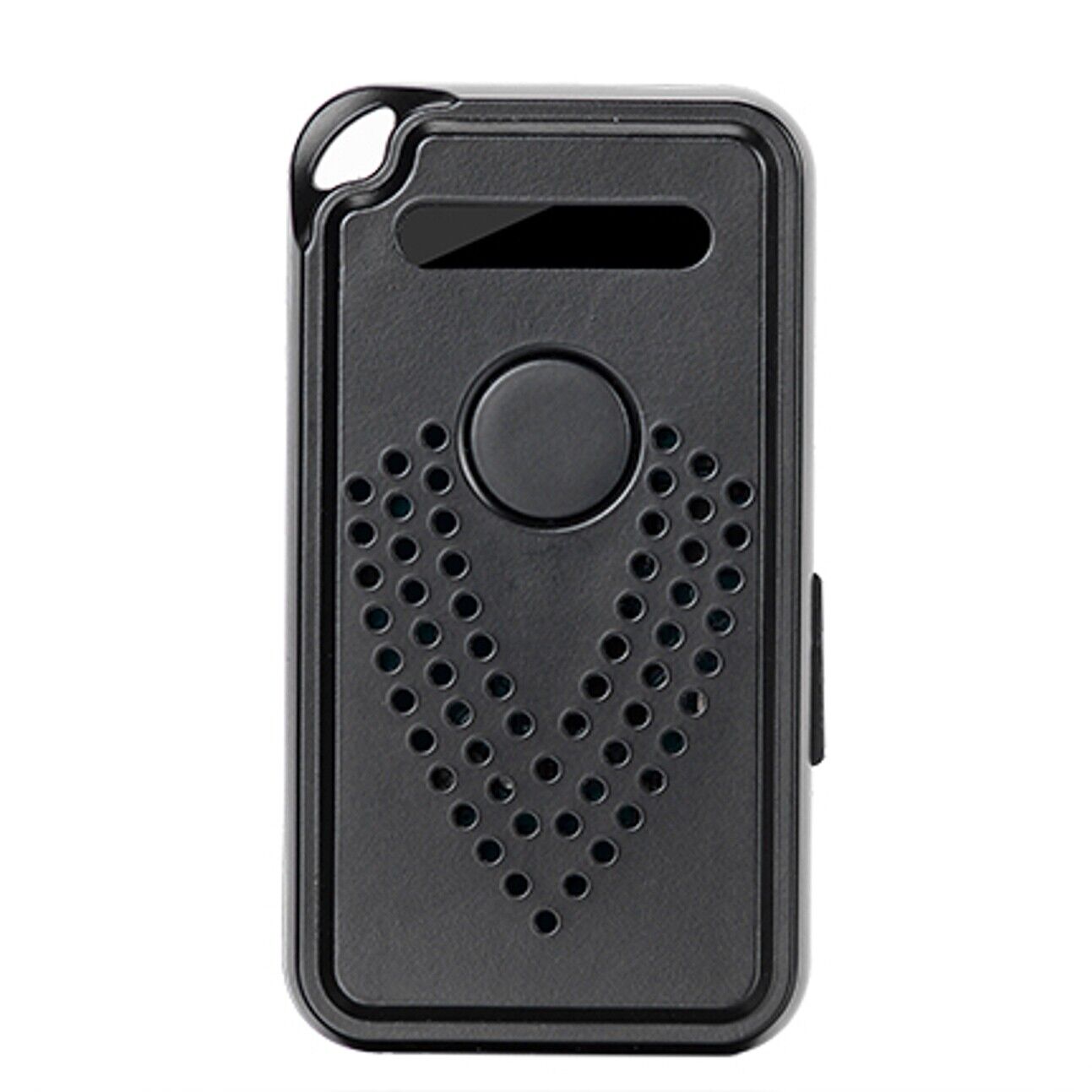
Wi-Fi: identify the service, accounts and people with access.
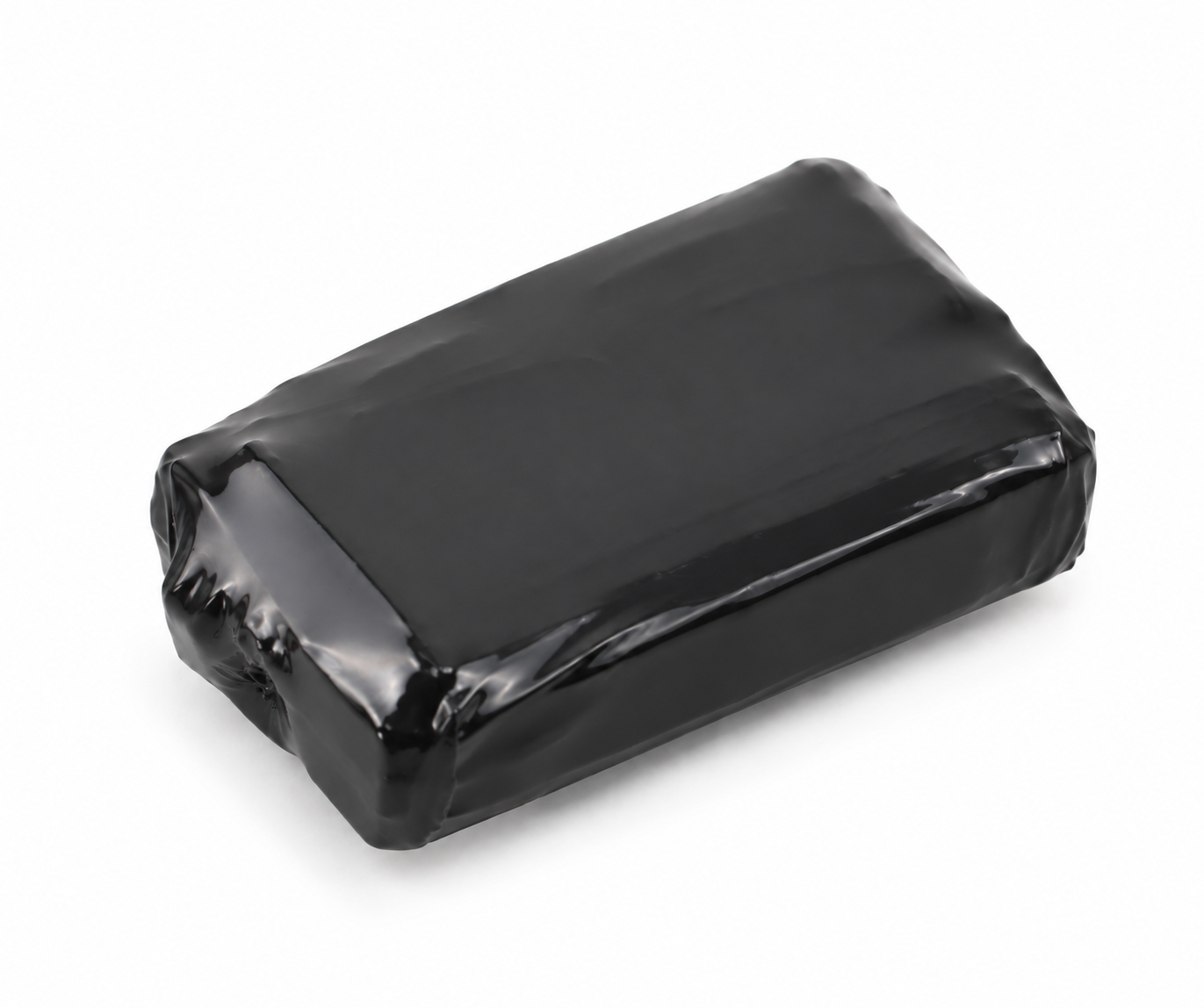
Mobile: identify the listener and any intermediary services.
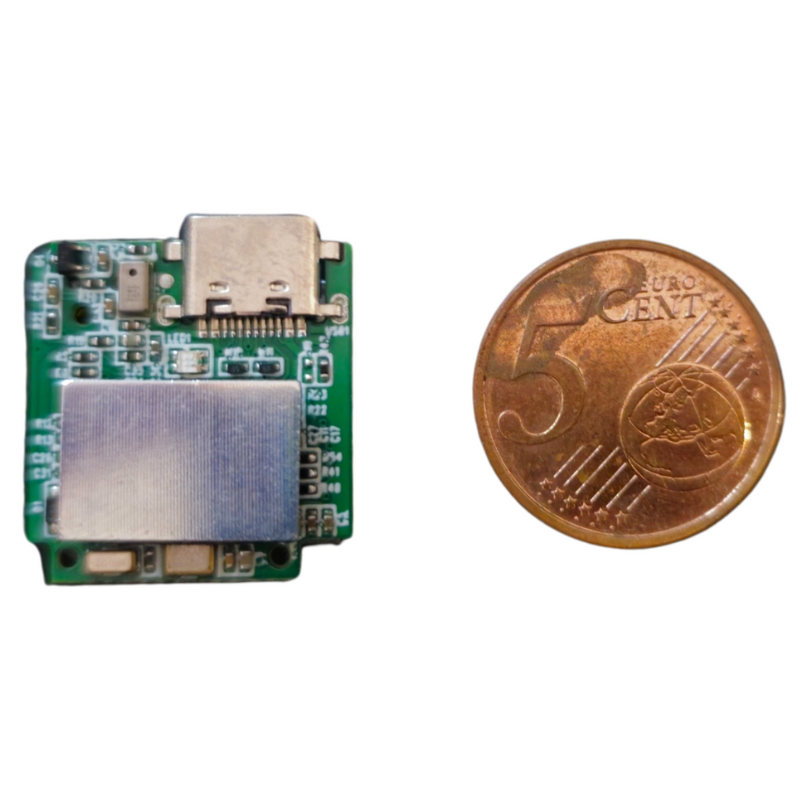
Local: plan retrieval, physical access and exported copies.
5. Sharing and publication: assess the new use
Being able to make a recording and being entitled to disclose it are separate questions. Consider privacy, confidence, personal data, contractual and professional obligations. A private messaging group still has recipients; uploading a clip can expose information beyond the original conversation. The UK data protection guidance provides the starting point for organisations, alongside any other applicable law.
Describe who needs the information
For an approved project, identify listeners and distinguish listening from downloading. A person can retain a copy after removal from a shared folder. Decide how a new request is referred to the responsible team. The operator should not have to determine the legal position alone when a manager asks for a recording for an unrelated purpose.
Removing a name or changing a voice does not necessarily prevent identification. People may recognise events, vocabulary or circumstances. A transcript can carry the same confidential information as the original sound. Before wider use, assess whether the purpose requires all the material, a limited extract or another form of communication. Do not present a simple technical transformation as legal clearance.
Disputes and public allegations
If the objective is to address a dispute, ask an appropriate adviser about the relevant process and recipients. Publication on social media is a separate act with separate consequences. Do not confuse a useful report to an authorised body with a public accusation. Keep the provenance of an existing file accurate and explain any editing or uncertainty rather than trying to make the material appear stronger.
6. Voice, GDPR and sensitive data: understanding the different levels
This chapter introduces European data-protection concepts for comparison and cross-border projects. For UK activities, use the current UK framework and national sources in chapter 3; French regulator guidance is not a substitute for the UK rule.
An identifiable voice can be personal data
The RGPD, published on EUR-Lex, regulates the processing of personal data within its scope of application. A recording allowing a person to be identified, directly or through context, may be affected. In particular, it is necessary to determine the purpose, legal basis, minimization, information, duration and security. The exemption for exclusively personal or domestic activities must be assessed according to the situation; it does not override other national rules on conversations.
A recorded voice is not automatically sensitive biometric data. This qualification depends in particular on specific technical processing aimed at unique identification. The CNIL white paper on voice assistants sheds light on these uses. Audio content may also reveal health, opinions or other sensitive information, even without recognition of the speaker. Transcription does not remove this sensitivity.
Consent to capture and legal basis for processing
Permission to collect speech, the data-processing basis and employment requirements are separate questions. A generic reference to legitimate interests does not by itself justify every form of collection. Signing a form also does not automatically make a system necessary, proportionate or secure. Record the decisions and the people responsible for examining them separately.
On the project sheet, write the problem to be solved and the reason for keeping audio rather than notes. Describe the people likely to be heard, including those who only speak for a moment. Indicate who is responsible for the file and the services used. You get a description that your DPO or your advisor can appreciate, instead of a set of technical characteristics without context.
Information that corresponds to real operation
The presentation of the regulation by the CNIL allows you to find the information obligations and rights. Prepare a notice mentioning the responsible organization, the purpose, the basis chosen, the recipients, the conservation, the rights and the competent contact. If a decision is based on consent, its validity and consequences must be examined. A short message can direct you to complete information, without replacing it in all its details.
Test this notice with a person not involved in the project. Does she understand if there is remote listening? Does she know if a service provider transforms audio into text? Does it identify the moment when the capture stops? These practical questions often reveal ambiguities that a rereading between technicians does not show. Correct the text and parameters so that they describe the same reality.
7. UK workplaces, customer calls and remote working
Justification comes before installation
GOV.UK explains workplace monitoring, while the regulator addresses specific monitoring methods. Monitoring must be assessed for lawfulness and fairness. Routine ambient audio should not be treated as an ordinary consequence of owning the premises. Expectations of privacy, necessity and less intrusive alternatives matter.
Write down the operational problem without starting from a product. A quality review of selected customer calls, a scheduled interview and continuous room monitoring are materially different designs. Identify which people are affected and what the employer actually needs to learn. Ask whether notes, agreed recordings or a narrower procedure would meet the need. Explain the chosen scope in a document the relevant teams can understand.
Customer-call recording needs a working notice
For an authorised call process, describe the purpose, relevant recipients, retention and rights through an appropriate notice. Ensure the information corresponds to the real system. If calls transfer between teams, decide who knows whether recording continues. An announcement that suggests training alone should not conceal a different or substantially broader use.
Make operator controls understandable. They should know how to stop or suspend a recording where the approved procedure calls for it, report a fault and refer an access request. Test using invented material. Do not use a full day of real customer calls merely to discover whether an export works. The technical acceptance exercise should itself have a controlled scope.
Hidden monitoring and private areas
The regulator’s guidance addresses covert monitoring and warns against its use in places where privacy is reasonably expected, such as toilets or changing rooms. Such monitoring is not a routine shortcut to employee management. Where a sensitive investigation is contemplated, obtain a specific professional assessment of the facts, duration, scope and alternatives before introducing equipment.
Working from home introduces other people and conversations. A business requirement to record a scheduled online meeting does not establish a need to collect ambient family life. Arrange an announced test with the worker and suitable test words. Review microphones, application permissions and automatic synchronisation. Keep the task linked to the actual meeting rather than the general presence of a device in the room.
Review and responsibility
Allocate responsibility for the session and for the archive. Someone should know who can listen, when rights end and how a changed purpose is handled. Record the settings actually approved. If a new app release introduces summaries or speaker identification, assess those additions before enabling them. The fact that a feature appears in an existing account does not mean it was part of the original decision.
8. Cameras with microphones and public-facing premises
The regulator’s surveillance guidance treats audio as particularly intrusive. Image, audio, live access and storage need separate consideration. A camera installed for a stated reason does not automatically justify collecting nearby conversations. Do not import the French rule about sound coupled to vidéoprotection as if it were the UK test.
Audit the actual settings
During preparation, check whether the camera’s sound is active, whether live audio can be accessed and whether exports contain an audio track. Compare these facts with the approved purpose. A feature can exist in software without having been considered during installation. Resolve that mismatch before activation rather than treating a menu option as an authorisation.
For premises open to customers, consider what people reasonably understand from the information provided and what the equipment really collects. Background conversations may extend beyond the intended interaction. Define the scope and access procedure, and examine alternatives. If a specific safety event is the concern, have that scenario assessed on its own facts; it does not justify an unlimited archive of daily conversations.
9. Using an audio recording as evidence in the UK
Collection and admission remain distinct
For civil proceedings in England and Wales, Civil Procedure Rule 32.1 concerns the court’s control of evidence. It is not a general permission to obtain a recording. Different procedures and UK jurisdictions can require different analysis. Do not transplant the French decisions discussed in international commentary into an English, Scottish or Northern Irish dispute.
Tell your solicitor what happened, who recorded, who participated and how the file has been handled. Describe other available evidence and the point the sound is intended to establish. An assertion that “the court will accept it” is not a substitute for advice. A clear file can still raise privacy or confidentiality questions, while an authorised recording can be incomplete or irrelevant to the issue.
Preserve context without creating unsupported certification
Keep the original available and make working copies separately. Note known gaps, date settings and transfers. If you prepare a transcript, mark uncertainty rather than completing words from expectation. Identify filtering, cuts or format conversion. This helps a professional assess the material without claiming a level of technical certification that has not been provided.
Do not select a short extract solely to hide a difficult context. Your adviser may need the surrounding discussion and the source file. Follow the process they identify for disclosure and handling. A report made through an appropriate channel is different from uploading allegations to a public platform. Keep those decisions separate even if the same recording is involved.
Plan for requests during a dispute
Before ordinary deletion, refer a live legal request or preservation issue to the responsible professional. Conversely, a vague fear of future disagreement does not produce an unlimited retention policy. Document who makes the decision and which material it concerns. The operator needs a clear instruction to follow, not responsibility for resolving competing procedural and privacy questions without support.
For the file-handling stage, also consult the audio storage and recording reliability guide.
10. House, couple, car, neighborhood and minors: common errors
The place belongs to you, people keep their rights
A home, vehicle or professional premises belonging to you can host conversations between relatives, employees, visitors or service providers. Before any recording, describe who can stop by and when. A procedure designed for an announced meeting does not automatically cover exchanges occurring before or after. The title deed does not replace the analysis of people's rights.
In the car, distinguish between your personal note-taking, an announced interview and surveillance left active during the journeys of others. In rented or shared accommodation, also identify the spaces and periods concerned. Do not use a built-in object as an excuse to forget its sound function. The relevant question is what the device captures in the real-life scenario.
Family conflicts and vulnerable people
In a conflict situation, start by presenting the problem to a competent professional and identifying appropriate reporting channels. Avoid adding extensive collection over which you have no control over the recipients or the consequences. A protection objective deserves appropriate support, especially when the device could increase tension or further expose a person.
For minors, preparation must examine their situation and the rules applicable to legal representatives. Don't view parental consent as unlimited permission to record everyone you meet. A device worn at school can capture other children and professionals. Describe the need with the establishment or competent contacts before considering a sound solution.
Neighborhood noises and speech
A noise survey and an intelligible recording of conversations are not the same operation. If the need concerns a nuisance, ask which method of observation is appropriate before choosing a microphone. The file may call for contextual elements, approaches to competent contacts or a specialized measure. Excessive capture of words is not necessarily more relevant than a targeted observation.
| Initial wording | Useful question to examine |
|---|---|
| “It’s my home” | Which people and which conversations would be captured ? |
| “It’s to protect me” | What precise fact must be established and what alternatives exist? |
| “I’m not spreading anything” | Are the collection and conservation themselves justified? |
| “It’s my child” | Which other minors, professionals and places are concerned ? |
| “The store is equipped with cameras” | Was the sound the subject of a separate analysis? |
11. French-speaking countries: a common language, different rules
A guide written in French does not constitute a rule valid throughout the French-speaking world. For each country, distinguish between communications secrecy, privacy protection, personal data, work and procedure. The markers below identify useful texts and authorities. They do not claim to list all the special regimes or the exceptions of each territory. If your situation is not covered, check locally before collection.
Belgium: take into account the 2026 penal reform
The SPF Justice confirms the entry into force of the new Penal Code on September 1, 2026. Many older articles still cite the old numbering, notably article 314bis. It is therefore necessary to check the applicable text and, for prior facts, the transitional questions. An old record must not be presented as a verification of current law.
For work, the Data Protection Authority describes professional telephone conversations and certain regulated exceptions, particularly in centers calls. These situations do not allow us to conclude that a room microphone is freely usable. Please assess your participation, the means used, the further use and the obligations relating to the data separately.
Switzerland: participation and non-public conversation
The Federal Data Protection and Transparency Officer presents the recording rules. The framework notably distinguishes between listening to conversations between other people and recording a non-public conversation in which one participates. Specific exceptions exist, but their scope is not the same as a general permission to document any business relationship. The official diagram helps identify these conditions.
The Tribunal federal, ATF 146 IV 126, underlines the importance of the circumstances in assessing whether the conversation is non-public. Do not therefore transpose a summary classification based only on the part. An exchange may call for specific analysis even if third parties are nearby. Also check the Swiss law on data protection and the intended use after recording.
Luxembourg: meetings and the need for audio
The CNPD devotes a file to sound recordings of meetings in the private sector. It examines the difficulties of truly free consent and the analysis of legitimate interest. It links conservation to the need to transcribe and approve the minutes. This file, updated in July 2026, is particularly useful in avoiding treating an association or company meeting as a collection without consequences.
The portal Guichet.lu specifies the information of employees and third parties during surveillance at work. In a project, describe the functions and purpose before installation. A one-off vote on registration does not automatically resolve the situation of new participants or a person who cannot refuse without being harmed.
Monaco: a modernized national framework
Monaco has law no. 1.565 of December 3 2024 on personal data. The competent authority is now APDP. Do not confuse this framework with an automatic application of all French rules. It is necessary to identify the activity, the people and the processing concerned, then the rules specific to conversations and work.
The APDP also publishes a sheet on telephone calls at work. It addresses in particular the durations according to the purposes. These sectoral benchmarks should not become a universal deadline for all audio recording. Before using old documentation that only refers to the CCIN, check the institutional developments and the texts now applicable.
Canada and Quebec: criminal law, private life and commercial uses
The articles 183.1 and 184 of the Canadian Criminal Code provide in particular rules and exceptions related to consent to the interception of a private communication. The common phrase “party consent” describes only part of the analysis. It does not automatically resolve the protection of personal information, employment, publication or civil rights.
In Quebec, articles 35 and 36 of the Civil Code protect privacy and mention in particular certain captures or uses of voice. For businesses, the Canadian Commissioner explains the recording of customer calls, with information, purposes and appropriate management. Check the federal or provincial regime relevant to your organization; do not deduce from a criminal exception a general right to monitor.
Morocco: law 09-08 and national verifications
The CNDP brings together Moroccan texts, including law 09-08 and its implementing decree. This regulation governs the processing of personal data. For an audio project, examine information, purpose, possible formalities and transfers depending on the treatment envisaged. This verification must be added to that of national rules on privacy and communications.
A French translation of a European procedure is therefore not enough. Present to the competent contact the places, people, recipients and services used. Also identify if a foreign service provider is receiving the audio. The question is not only whether the device works in Morocco, but whether the entire operation can be carried out under the required conditions.
Tunisia, Senegal and Ivory Coast
In Tunisia, the INPDP publishes organic law 2004-63. In Senegal, the CDP provides access to the regulatory framework for personal data. In Ivory Coast, law 2013-450 published by ARTCI constitutes a reference text in terms of data. National requirements must be verified for the planned collection, particularly in a professional context.
These links do not prove that clandestine collection would be authorized. They indicate the sources to begin a local analysis, to be completed by criminal law, labor and sectoral rules. For other French-speaking territories, apply the same approach without inventing an automatic equivalent of the CNIL or the French Penal Code. A competent authority and a local text are better than a supposedly uniform international rule.
12. Europe: shared data principles and national recording laws
France: a separate national framework
Article 226-1 of the French Criminal Code protects private or confidential words. Participant status is not a general secret-recording permission. Use French rules for the relevant French context, not automatically for a different country.
European Union, European Economic Area and Council of Europe
These sets are not synonymous. Data rules, conventional protections and national offenses must be articulated. The GDPR does not constitute a European license to listen to conversations. A notice common to several subsidiaries must be checked for each operation. The fact that a service provider processes files in a European country does not alone decide the rules applicable to capture in another country.
For an international group, prepare a sheet per scenario rather than a global authorization. An announced interview in France, a customer call in Spain and a meeting in Germany may imply different responses. Keep a common technical base for security and export, then assess local conditions. This makes discrepancies visible without multiplying contradictory texts in the hands of users.
Germany: confidentiality of non-public speech
The § 201 of the German Criminal Code protects non-public speech and targets in particular unauthorized recording and certain uses. Participating in a conversation does not provide general permission for secret recording. For professional use, data law and work requirements should also be considered. A practice tolerated or justified in another country cannot be exported without control.
Portugal: the words addressed to the person who records are also concerned
The article 199 of the Portuguese Penal Code targets in particular the recording without consent of words not intended for the public, even addressed to the person recording. It also discusses some uses. This wording explains why a simplified foreign rule on participant consent alone would be misleading. A conflict or a probative purpose requires concrete analysis of the relevant provisions and case law.
Spain: distinguishing attacks on privacy and the context of participation
The article 197 of the Penal Code published in the BOE targets in particular certain technical means listening and recording used to discover secrets or violate privacy. Participant status, content and further use must be reviewed. A summary saying only “Spain: authorized” would be insufficient. Also check the data and work rules applicable to your project.
Italy: a distinction does not equal freedom of dissemination
The Garante, in its provvedimento of November 27, 2025, recalls the distinction between recording by a participant and interception, in the context examined. It also examines the use and reporting of data. This benchmark does not extend to any monitoring of conversations in which you are not participating. The circumstances, purpose and recipients remain decisive.
UK: data protection and professional monitoring
The ICO deals with different forms of worker monitoring, including audio. Its guidance emphasizes justification and expectations of privacy. The UK framework must be examined as such; it is not just about leaving the European Union or a general permission to keep a personal conversation. Domestic and professional uses require separate analyses.
Other European countries
For the Netherlands, Austria, the Nordic countries or any other destination, do not make up for a lack of verification with a general conclusion. Look for text on conversation secrecy, data authority, and work rules. If a meeting crosses several countries, note the position of the participants and that of the controller. The case must be described before choosing an interpretation.
| Level | To control | Shortcut to avoid |
|---|---|---|
| Capture | Participation, privacy, authorization | “Anything goes with a party consenting” |
| Data | Purpose, rights, security, conservation | “One form solves everything” |
| Work | Information, necessity and local procedures | “It’s professional equipment” |
| Proof | Procedure and assessment of the jurisdiction | “A clear sound will necessarily be accepted” |
| Diffusion | Recipients, content and objective | “Recording was permitted, therefore its publication too” |
13. Around the world: some decisive differences
United States: federal law is not enough
The 18 USC § 2511 notably provides a federal exception related to the participation or consent of a party, with limitations. But states can impose other requirements. The California Official Civil Instructions outlines the protection of confidential communications under Section 632. An analysis must therefore identify the States concerned and the nature of the exchange.
A map showing one-party and all-party consent regimes is only an initial reference. For a call across jurisdictions, identify the states involved and have the applicable rules, exceptions and civil rights examined. The location of a server or supplier does not by itself settle the question.
Australia: states and territories matter
The Australian Department of Justice explains the architecture of electronic surveillance and the role of state and territory laws. The New South Wales framework is presented by its Department of Communities and Justice. Don’t apply a one-size-fits-all national response to all Australian situations. The rules of the investigation services do not constitute the prerogatives of a private user.
Singapore: identifiable audio and data protection
The PDPC Guidelines on Specific Topics explain that a sound recording may contain personal data when the person is identifiable by the audio or associated information. The PDPA published on Singapore Statutes Online constitutes a reference for relevant organizations. This data analysis should not be taken as a universal answer for any listening medium. Also examine the rules applicable to the situation and disclosure.
Brazil: personal data and voice rights
The ANPD explains the LGPD and its role in Brazil. Organisations must examine file processing under the applicable framework. The Superior Tribunal de Justiça has addressed voice as a personality right in a case concerning authorised contractual exploitation. This illustrates the importance of subsequent use; it does not decide every covert-recording or evidence situation.
Other destinations: look for local rules before traveling
A useful world tour is not a list of permissions for two hundred countries. For a trip to Asia, the Middle East, Latin America or Africa, start by checking acquisition, transport, usage and data. Certain materials or uses may fall under specific provisions. A usual function in your country may be regulated differently at destination.
Prepare a note before traveling: exact device, announced purpose, people, location, provider and need to bring back files. Submit it to a competent local contact. If verification is missing, use an alternative that does not require sound capture. This method avoids transforming technical operation into a presumption of conformity and keeps the project adaptable when conditions change.
14. How to organize authorized use in practice
An example method for an advertised interview
The following procedure is an organizational proposal, not a legal authorization form. It assumes that the framework of the session has been examined. Consider an interview intended for a report: the sound helps the editor, two people must be able to check the text and no audio publication is planned. This description makes it possible to choose consistent settings and identify any requests that would go beyond the initial project.
- Define: Set the purpose, participants, intended result and reason for audio.
- Check: Examine applicable rules and information requirements before the session.
- Limit: Set the period, excluded sequences and authorised users.
- Test: Use test words, open the export and check permissions.
- Run the session: Announce the start, handle changes and stop according to the protocol.
- Close: Check files, prepare the account and apply the agreed retention process.
The test must be representative without becoming a real collection by default. Use a made-up sentence and an identifiable file as an essay. Check the start, end and export path. If the hardware automatically produces a copy on a phone, include that copy in the procedure. A local recording is not necessarily limited to a single medium after consultation.
Comprehensible oral information
You can build the announcement around four elements: who is recording, why, who will access and how to ask a question or report a disagreement. For example, explain that the sound is used to write a report, that certain designated people will consult it and that no publication is planned in this project. Complete with the appropriate instructions. This example is not a magic sentence: the announcement must correspond to the framework actually chosen.
Describe the exact scope
Indicate whether the entire session is concerned and what happens during the breaks. For a remote interview, specify if another interlocutor is listening live. Don’t use a vague expression to disguise a function. Honest information can also reveal that a product option is unnecessary and should remain disabled.
Plan for a change during the session
A person arrives, a sensitive topic arises or the group wants an interruption. Plan who stops and how recovery is decided within the validated framework. Note only the context necessary for follow-up, without creating an excessive second file. A procedure must remain applicable when an unforeseen event occurs, not just when everything follows the agenda.
Keep a proportionate record of the decision
The session sheet can indicate date, person responsible, version of the notice, approved settings and anomalies. It should not contain passwords. This trace helps to understand what was done and to process a subsequent request. It is not presented as a universal certificate of conformity nor as a guarantee of judicial admissibility.
Relate the technique to the chosen scope
For post-session recovery, look into local memory solutions. You can also browse the main category of microphones. The complete technical guide helps to compare duration, storage and export. The choice must follow the authorized need and documented characteristics, without promising that a particular format resolves the right.
Rehearse the decisions as well as the buttons
For an authorised interview, test three short scenarios with invented content. First, a participant arrives after the start. The operator should know whom to notify and how the approved process handles the change. Second, a reviewer asks for a clip for a different purpose. The operator should refer that request rather than silently expanding the project. Third, a request arrives shortly before ordinary deletion. The responsible person should know which team examines it and how an instruction is communicated.
These rehearsals test the procedure, not the legal outcome of a hypothetical dispute. Record the responsible roles and any missing instructions. Avoid placing passwords or real sensitive conversations in the exercise record. Give the next operator enough information to repeat the workflow without relying on the first operator’s memory. Where an answer remains open, resolve it before the important session.
A handover should therefore include the approved purpose, necessary settings, access roles, export method and contact for exceptions. Check that the replacement operator can stop recording and locate the correct file. A procedure becomes useful when people can execute it under ordinary conditions, including a small unexpected change.
15. Retention, access and deletion of audio files
There is no universal duration for all microphones
The CNIL reminds that a duration must correspond to the purpose. Sector-specific recommendations do not become a general rule for every conversation. An old simplified standard should also not be presented as current law without verifying its scope. Define the duration in the context of the project and any obligations that may apply.
In the example of the report, distinguish work in progress, validation and closure. What event renders the sound useless? Who notices this event? What happens if a specific dispute appears before deletion? Have this procedure decided by the competent officials. A capacity of several thousand hours provides no answer to these questions.
Grant the necessary access
CNIL recommendations on authentication and management of authorizations constitute practical references. Use access adapted to the tasks, with deletion of rights that have become unnecessary. Available functions vary by product. Check what the system actually allows and what requires additional organizational measure.
In your file, separate listen, download, delete and modify settings. The editor may need audio but not be able to open future sessions. A person who leaves the team must lose the corresponding access. Also test connections left open on an old phone. A written procedure does not replace verification of the actual behavior of the account.
Responding to registered persons
The CNIL specifies the management of access requests. In the applicable framework, a response generally occurs within one month; a supervised extension may be necessary depending on the complexity or number of requests, with information within the initial deadline. The rights of third parties must also be respected. So don't automatically hand over an entire meeting to anyone who requests a copy.
Prepare a request circuit with an identifiable contact. Search for the session using appropriate elements: approximate date, context or already known reference. Have identity, rights and communicable content assessed by the competent manager. An organized search avoids needlessly distributing files to several collaborators. Keep sufficient track of the request and response, without creating excessive new archiving.
Delete without forgetting copies
Inventory destinations: device, card, phone, computer, share, transcription service and backup. Plan for deletion compatible with the legal and technical constraints of each system. A button in the app may only concern some of these destinations. Conversely, do not destroy without examination an item that is the subject of a retention obligation or a legally relevant request.
When loaning or returning, plan to erase and dissociate accounts according to the manufacturer's instructions. Physically returning a device does not necessarily delete exported copies. Have the data processing documented with the transfer of responsibility. A simple list of operations actually carried out is more useful than a general declaration of erasure that no one knows how to verify.
16. Cloud, automatic transcription and international transfers
For UK projects, the regulator’s international-transfers guide explains when UK transfer restrictions apply. Identify the organisations involved, their roles and the routes of the data. The European and French references used elsewhere in this guide are comparative resources; use the appropriate UK mechanism for a restricted UK transfer. An English interface or a supplier’s regional storage label does not settle the whole route.
Questions to ask the service provider
- Who receives the files and for what service precisely?
- Which subcontractors are involved and from which countries?
- What conditions govern access, conservation and deletion?
- Can we export a usable file and close the account?
- Is the content reused for another purpose, for example the improvement of a service?
An automatic transcription creates an additional representation of the content. Text may be easier to search and transfer than the original audio. Decide who can view it and how errors are reported. If the service offers summaries or speaker identification, consider these functions as additional operations. Do not activate them just because they appear in the same subscription.
High risk and impact analysis
The AIPD presented by the CNIL concerns processing likely to generate a high risk for rights and freedoms. Its need must be assessed according to the project and the applicable criteria. A discreet device, extensive professional collection or vulnerable people require careful consideration; none of these words taken alone replaces the complete analysis.
For an important project, bring together needs, alternatives, operation, risks and planned measures before deployment. Also check the disabled options: an update or a new subscription plan may offer another treatment. Maintain an understandable decision on which functions are actually approved. Technical security and justification of collection remain two complementary tasks.
17. A suspected listening device: respond to observable facts
An unfamiliar object or an alert does not prove an unlawful recording. Note location, time and what is actually observable. Avoid public accusations, access to unknown accounts and improvised extraction of other people’s data. If there is an immediate danger, prioritise your safety and the appropriate emergency response. A technical suspicion should be examined without exposing people unnecessarily.
At work, use the appropriate internal reporting route. For private concerns, seek competent advice and contact the relevant police service where the facts warrant it. The official police contact service is a starting point for England and Wales; use the appropriate local service elsewhere. For concerns about an organisation’s processing, follow the complaint route described on the regulator’s website.
Explain what you know and what remains uncertain. Preserve useful communications without distributing them widely. A privacy complaint, a police report and an equipment inspection answer different questions. Organise the facts so the appropriate professional can decide the next step, rather than trying to establish a complete legal and technical conclusion from a single image.
18. Frequently asked questions about the legislation on spy microphones
Is a spy microphone always prohibited in the UK?
The commercial name is not decisive. It is necessary to examine the exact status of the equipment and the planned operation. The chapters on acquisition and capture answer these two distinct questions. Do not infer permission for use solely from availability in stores, nor a universal ban from the presence of the word “spy”.
Can I record a conversation I take part in?
A participant’s record, third-party interception and organised business monitoring are different situations in the UK. There is no useful universal answer based only on the phrase one-party consent. Consider privacy, confidence, data protection and any relevant workplace or procedural rule. The national chapter explains the distinction and the current references. Do not assume that making a file permits publishing it.
Is the silence of an interlocutor enough?
A lack of reaction should not be confused with real understanding. Consent conditions vary depending on the applicable regime. A hidden device, an ambiguous term or an inability to object are not treated as an explicitly organized session. Describe precisely how people were informed and the decision was taken.
Does a “monitored area” sign allow sound?
Information on images does not automatically describe audio recording. The sound project requires its own examination, particularly in establishments open to the public. Check which features the system has and which have been approved. Don't activate a camera's microphone assuming the existing panel covers any new possibilities.
Does Wi-Fi or 4G change people's rights?
These technologies change the circuit, possible recipients, and certain dependencies. They do not choose the legal framework. Describe who can listen and which services receive the data. A transmission to a telephone or platform must be included in the preparation, even if the main storage remains local.
Does voice triggering make the recording compliant?
No, an automatic sound system does not assess the applicable law. It can reduce silences, but it can also start outside the desired interval. First define the permitted perimeter and then test the settings. The manager retains an organizational task: knowing when the session starts, when it stops and who can authorize it.
Can I monitor an employee because the device belongs to the company?
Ownership of the hardware is not enough. Work and data requirements must be assessed for the specific project. Identify the need, the people involved and the alternatives, then have the device examined before it is put into service. Rules specific to certain calls do not automatically translate to an entire office.
Is a local file always better than the cloud?
No destination alone resolves all the questions. The premises require physical protection and controlled transfer. The cloud requires review of accounts, provider and flows. Compare the solutions with the authorized need. The best organization is one whose managers understand the limits and know how to apply management decisions.
How long can I keep a conversation?
There is no single time limit for all audio use. Determine the duration corresponding to the purpose and applicable obligations, with the events that trigger deletion or review. Do not confuse available memory, automatic overwriting and justified duration. The conditions of a particular dispute or sector must be assessed separately.
Will clandestine evidence be automatically rejected?
The answer depends on the procedure. The decisions presented in the chapter on evidence show why an automatic formula is misleading. Ask your advisor to assess the folder, the origin of the file and other elements. The possibility of discussing it before a judge does not prejudge the responsibility linked to its obtaining.
Can I clean the sound before transmitting it?
For authorized work, keep the original and identify the processed copies. Describe the operations and mark the uncertain passages. Do not present a subjective improvement as a certain restitution of missing words. Before communicating in a procedure, have the professional following the file decide on the format and the elements to be provided.
Is an anonymous transcription sufficient?
Removing names does not demonstrate anonymity. The content may allow people or events to be recognized. Also assess the recipients and their knowledge of the context. If communication is necessary, consider how much information is appropriate. The transformation of sound into text is a change of format, not a complete legal decision.
Is the French rule valid in Belgium or Switzerland?
No, you have to check the local references. Belgium reformed its Penal Code in 2026; Switzerland has its own official provisions and indications. The French chapter provides the entry points. Sharing a language or using the same microphone model does not make national conditions interchangeable.
Does an agreement given at the beginning cover another use?
Do not assume that a report, internal training and a publication constitute a single project. Review the change before reuse and adapt decisions as necessary. In the procedure, indicate the department that receives a new request. This prevents a user from expanding the destination of a file on their own because they know how to download it technically.
What to do before traveling abroad?
Check equipment, transport, capture, people, services and file transfer. Prepare a concrete description to be appreciated locally. An international SIM or a multilingual app does not solve these questions. Without sufficient verification, choose a different way of working rather than recording the conditions of which no one knows.
Is a concealed device more suitable for an authorized meeting?
The format must be chosen according to the need and the documented characteristics. For an announced session, simplicity of ordering, quality of capture and export may count more than physical integration. A discrete object does not exempt you from describing the sound function to the people concerned in the appropriate context.
19. Sources of authority and updating method
National starting point: consult UK privacy regulator (guidance through the ICO website) for the relevant subject, alongside the national legislation and court sources linked above. French and other foreign authorities below are comparative references, not substitutes for the competent local body.
Sources are placed as close as possible to the rules they support. To quickly find the main sets, use the following references. National texts and decisions must be read in their version and context; a practical sheet explains a subject without replacing all applicable texts.
- France: Légifrance for codes, Court of Cassation for case law, CNIL for data and ANSSI for regulated materials.
- Francophonie: SPF Justice and APD in Belgium, PFPDT and Federal Court in Switzerland, CNPD in Luxembourg, APDP in Monaco, Justice Canada and Légis Quebec, CNDP in Morocco, INPDP in Tunisia, CDP in Senegal and ARTCI in Ivory Coast.
- Europe: EUR-Lex, Gesetze im Internet, BOE, Garante and ICO for the areas examined.
- World: US Code, Californian jurisdictions and Australian authorities for the examples selected.
When starting a new project, note the date verification, the version of the text and the situation to which it relates. Reexamine the file when countries, people, purpose, storage or recipients change. This guide is a documented point of orientation; sensitive use calls for individualized analysis. To learn more about how it works, the technical chapters of the microphone guide complete the reading without replacing this analysis.
Connect the legal assessment to the technical recording workflow
Once an authorised purpose and scope are established, the complete spy microphone guide explains connection, storage and power. The main spy microphone category contains the available references.
Use a repeatable speech test and a defined retrieval process. Restrict account access and exports to the approved recipients. A complete original supports technical review but does not by itself settle privacy, confidentiality or admissibility. The related guides below explain file handling and testing without treating equipment settings as a substitute for the relevant legal assessment.