
Spy Microphone: Complete Guide to Choosing and Using Your Equipment
PROFESSIONAL BUYING GUIDE · UK EDITION · OCTOBER 2026
A spy microphone should be chosen by what it can capture, how you can access the sound and what happens to the recording afterwards. A small enclosure, a high bitrate or an impressive standby figure does not establish that a conversation will remain intelligible. The useful comparison is between complete systems: microphone, placement, power supply, recording mode, connection, storage and access controls. Every part needs to suit the intended, lawful application.
This guide explains Wi-Fi spy microphones, 4G audio devices and local voice recorders within one consistent framework. It covers live listening, acoustic range, battery life, audio formats, voice activation, noise reduction, memory cards, cloud services and practical testing. The legal section focuses on the United Kingdom and explains why overseas use needs a separate check. Examples concern authorised recording, informed interviews, properly approved meetings and technical tests involving participants who know what is happening.
Start with the outcome you need. Is the purpose to take accurate notes after an interview, check an authorised audio feed during a defined period, or retain a complete meeting record? Decide that before comparing the spy microphones in our main category. You will then be able to distinguish an essential function from an attractive feature that adds cost, complexity or unnecessary data collection.
- Do you need live listening, a saved recording, or both functions?
- Is there suitable Wi-Fi, compatible mobile coverage, or no connection at the recording location?
- What duration, speech intelligibility and file access must the system deliver?
Specifications mentioned here are catalogue descriptions, rather than independent performance measurements. Calculations are clearly identified as theoretical examples. Network availability and legal guidance were checked for this edition on 30 October 2026. Recheck them when the country, operator, application or intended purpose changes. A guide can help define a purchase; the final acceptance test must still be performed with the actual equipment and setting.
Contents of this guide
1. How does a spy microphone work?
From sound in a room to a usable recording
A microphone converts changes in acoustic pressure into an electrical signal. The system then amplifies that signal and may digitise, process, compress, transmit or store it. Some products provide an audio feed; others concentrate on creating files; some offer both. These stages are separate. A microphone does not necessarily include memory, and an internal memory does not necessarily provide remote access. Check each required stage instead of assuming that a general product description covers everything.
The complete chain determines the result. A blocked microphone opening can weaken speech before the electronics receive it. Excessive gain can distort loud passages. Compression can affect detail, while an unstable connection can interrupt the live feed. A powerful application cannot restore information that never reached the microphone clearly. For an authorised interview, reliable speech and straightforward export may matter more than a large selection of remote controls.
Microphone, voice recorder and connected audio device
A voice recorder generally emphasises saving audio for later review. A connected device emphasises communication with another system. A concealed format describes its appearance or integration, rather than a universal technical standard. Two products using similar names can behave differently when the network fails, the battery runs out or the memory becomes full. Their terminology should therefore be translated into questions with verifiable answers.
Ask where a file is created, whether recording runs independently of the phone, whether an account is required for export and whether the equipment restarts after a power interruption. Ask what continues without Internet and which functions depend on a subscription. Answers should relate to the exact model and version. A statement about a similar product family is not a substitute for documentation of the device you intend to use.
Write a short, practical specification
Describe one realistic session: its duration, number of speakers, normal noise, room layout, available power and the person responsible for the files. Then define success. For example, a note-taking recording may need names, dates and amounts to be understandable without repeated guessing. This is more useful than asking whether the audio is simply loud. A clear pass condition also makes different devices easier to compare fairly.
Include operational requirements such as export to your normal computer, access limited to named users and a defined deletion process. These details prevent avoidable problems after the purchase. The existing spy microphone buying guide for clear speech provides another purchasing perspective. This pillar connects those considerations with the broader subjects of connection, autonomy, privacy and long-term operation, while keeping the specialist guides available for deeper reading.
2. Live listening and recording are different functions
What live listening provides
Live listening delivers audio while the microphone is capturing it. Depending on the architecture, access may use a telephone call, a mobile application or a dedicated radio receiver. There is still a delay, even if it is short. Availability depends on all relevant components: microphone power, local network, mobile service where used, any intermediary platform and the receiving phone or computer.
A live feed answers an immediate question, but does not automatically provide an archive. A button labelled record might create a file inside the device, on the phone or in a cloud account. The location affects what survives an application crash or a lost connection. Establish where the file is stored and whether it can be exported before relying on that button for an important authorised session.
What independent recording provides
Local audio recording saves material for later listening without requiring someone to keep an application open. It can support note-taking, checking a meeting detail or producing an accurate transcript. Its reliability depends on available power, writable storage and the selected recording mode. A connected product may continue recording during a network failure, but only when that independent behaviour is actually supported and enabled.
Do not assume that a mobile phone automatically records calls received from a SIM-based audio device. Operating systems, applications and the legal context can impose different restrictions. Likewise, hearing a conversation through an application is not proof that a complete recording exists. Make a test recording, close the listening application and then find and open the saved file using the intended export method.
When both functions are useful
A combined system can allow an authorised user to check the sound remotely while the recorder maintains a local copy. That arrangement is useful only if the two functions work as documented. Remote checks may change battery consumption or data use. Test the same combination you expect to use, including simultaneous listening and recording when relevant, rather than extrapolating from a standby specification.
| Requirement | Function to confirm | Acceptance check |
|---|---|---|
| Hear audio now | Authorised live access | Delay, stability and permitted users |
| Review a complete session | Independent recording | Continuity, storage and export |
| Listen and retain audio | Both functions documented | Actual file location and simultaneous operation |
| Record without a network | Offline local operation | A complete disconnected test |
Record the outcome of this check in your equipment notes. A short statement such as “local recording continues when the application closes” is useful only after it has been tested on that configuration. Repeat the relevant check after a firmware update, a storage change or a replacement phone, because any of those changes can affect the workflow.
3. Wi-Fi, 4G or local recording: choosing the architecture
Wi-Fi spy microphones
A Wi-Fi spy microphone with remote listening communicates through a local wireless network. In a common arrangement, it joins a router and the user connects through an application. Where remote Internet access is supported, the user does not necessarily have to remain on the same Wi-Fi network. The recording location still needs the required network and service to remain available.
Check supported Wi-Fi bands, security requirements and the pairing method. Some connected products support only 2.4 GHz; this must be verified for the particular device. A hotel network with a browser sign-in page, or an enterprise network with specialised authentication, may not behave like a domestic router. Obtain permission before adding equipment to a managed network and ask the responsible person to confirm compatibility.
Wi-Fi can avoid the need for a separate SIM, but does not guarantee operation without ongoing costs. Cloud storage may be chargeable and application access may depend on a supplier platform. Compare the Wi-Fi spy microphone category by connection, storage and power requirements together. A familiar wireless standard is only one component of a dependable system.
4G microphones and mobile audio modules
A 4G spy microphone without Wi-Fi uses a compatible mobile network and SIM. It can provide remote access where there is no router, subject to adequate coverage at the actual installation position. The telephone and microphone do not communicate as a simple direct radio pair: their access depends on the mobile infrastructure and, for some architectures, an application service as well.
Ask whether the equipment uses calls, texts, mobile data or several services. A data-only tariff is not automatically suitable for a device that receives voice calls. Conversely, a voice allowance does not establish that app-based audio transfers are covered. Confirm supported frequency bands, SIM format, required services and operator acceptance. For calling on 4G, confirm the relevant voice capability and compatibility rather than relying on a 4G label alone.
The GSM and 4G microphone category includes different generations. GSM may be used loosely as a category name, so read the individual specification carefully. A legacy device and a current mobile audio module can appear in the same commercial family while having very different prospects after older networks are retired.
Local recorders without a SIM or router
A spy microphone with local recording and no SIM stores audio internally or on a compatible removable card. That recording function does not require mobile coverage. It is worth considering when immediate remote listening is unnecessary and authorised physical recovery of the files is practical. A simpler architecture can reduce dependence on external platforms, although it still requires reliable storage and power.
Check export connections, file formats, clock settings and whether proprietary software is needed. The computer you plan to use should recognise the recorder or its supported export workflow. Compare voice recorders and microphones with internal storage with those operational details in mind. The ability to create a file is only useful if you can retrieve it, play it and manage it appropriately.
| Architecture | Infrastructure | Main benefit | Dependency to check |
|---|---|---|---|
| Wi-Fi | Compatible local network; Internet for relevant remote services | Application access where supported | Router, coverage and platform |
| 4G | Compatible SIM and mobile service | Remote access without a local router | Operator, tariff and voice/data support |
| Local | No network needed to record | Independent file creation | Storage, power and physical retrieval |
The specialist transmission guide covering local recording, GSM and Wi-Fi remains the detailed satellite for this topic. This general guide introduces the decision, then links to that comparison instead of replacing it. Decide which architecture matches the site before choosing a particular enclosure or accessory.
Three audio architectures in pictures
Scroll the gallery horizontally using touch, a trackpad, or the arrow keys after focusing it.
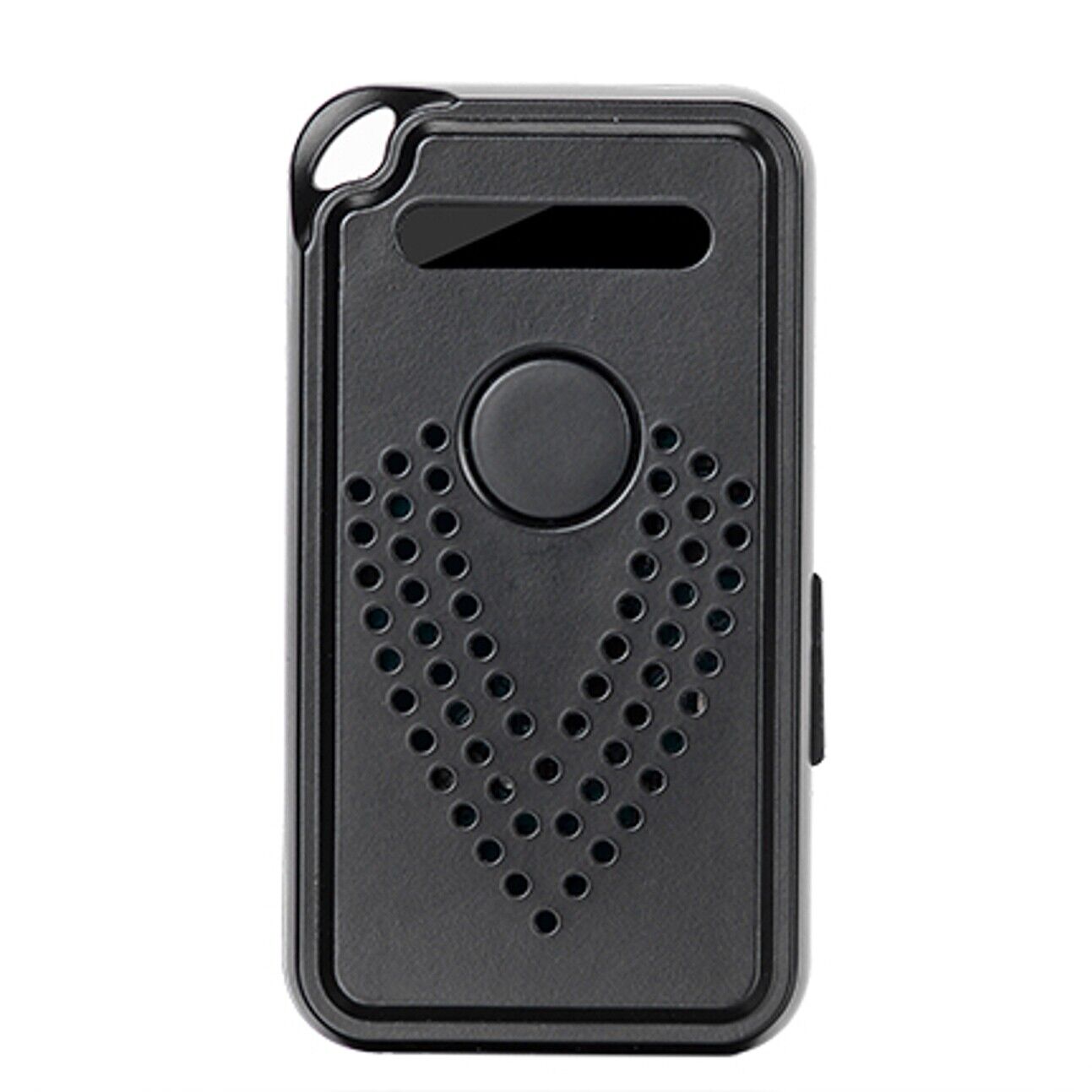
Wi-Fi: remote access through a compatible network and service.
4G: mobile audio access with a compatible SIM and service.
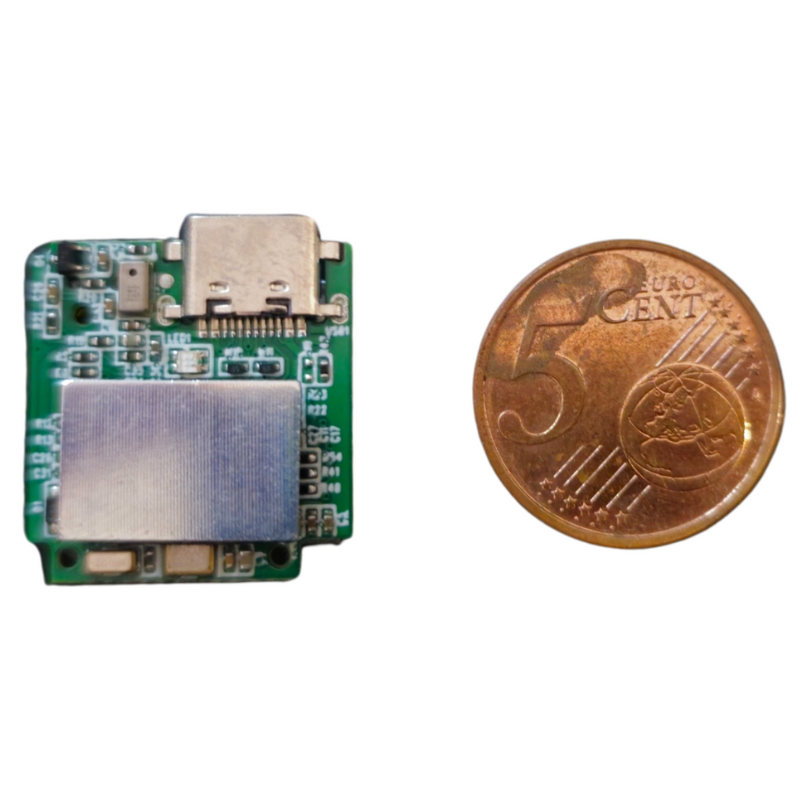
Local: recordings retained for retrieval after the session.
4. The UK 2G switch-off: plan beyond legacy connectivity
The 2G switch-off matters when buying or reusing a SIM-based microphone. A new SIM cannot upgrade an old radio modem. Check the hardware and every required function, including voice calls where used. A device described as 4G may still need confirmation that its calling and control functions do not fall back to a retired network.
According to Ofcom’s switch-off information, checked on 30 October 2026, UK 3G shutdowns are complete. EE plans to begin retiring 2G from May 2029, O2 from summer 2029, and Vodafone’s UK 2G network during 2030. These are operator programmes, not a promise that every individual service will remain available until one universal deadline.
Check the service, not just the network logo
Ask the supplier to confirm live audio, incoming calls, text commands and any location features individually on the intended network. If one essential function needs a legacy fallback, that dependency should be disclosed. Record the exact equipment version, operator and services tested. The phrase “works with 4G SIMs” is less useful than confirmation of the actual functions used on a modern network.
Allow time for migration. A device that responds today does not establish that it will continue to respond after an operator change. For a long-lived installation, include a review date in the maintenance plan and ask about updates or replacement options. Test the replacement before retiring the old equipment so that any difference in operation is understood in advance.
Roaming and overseas deployments
Roaming can have its own restrictions. A SIM issued abroad may not receive the same access as a domestic subscription, even where a local network is still running. GOV.UK provides additional guidance on preparing mobile devices for the transition. Confirm the arrangement with the SIM provider instead of assuming that international roaming guarantees every generation and service.
Other countries have different retirement programmes. Do not copy UK dates into a European or international equipment plan. For each destination, check available bands, the serving operator, permitted services, tariffs and local rules. Keep those findings with the device record. Connectivity is a continuing compatibility question, rather than a feature that can be ticked once at purchase and forgotten.
5. Acoustic range and connection range are not the same
Acoustic range means usable speech at the microphone
The acoustic range of a spy microphone concerns what the capsule can capture intelligibly. Detecting a distant sound does not mean understanding every word. A soft speaker, competing conversation and a reflective room can produce a very different result from a loud voice in a quiet, furnished space. Advertised distances need test conditions before they can become meaningful purchasing criteria.
Microphones do not behave like switches that hear perfectly up to one distance and stop immediately beyond it. Speech becomes less distinct relative to competing sounds and reflections. Shure explains this in its technical notes on microphone pickup distance and critical distance and placement. Moving closer to the intended speaker can improve the result more effectively than simply increasing gain.
Consider noises near the microphone as well as noises near the speaker. A quiet ventilation unit beside the capsule may matter more than a louder sound across the room. Contact vibration, cable movement and rubbing against the housing can obscure speech. These are installation issues; buying a faster mobile connection will not resolve them.
Connection range means successful transport
Wi-Fi range is the link between the equipment and its access point. Walls, building materials, interference and the position of the router affect it. Pairing beside the router establishes only that the first configuration works. Test the final location, with the normal doors and equipment in their usual positions, before concluding that the connection is adequate.
A mobile device depends on coverage at its location and access to the required services. The distance to your receiving phone is usually not the key measure. Reception on a smartphone outdoors does not prove that a small module indoors will achieve the same result. Different antennas, bands and installation positions can change performance. Validate the actual unit rather than using one phone’s signal bars as the sole evidence.
Separate the two diagnoses
Use a known text with informed participants at representative positions. Include normal speech, softer speech and normal background activity. Listen without looking at the original text, then note the words you could not identify confidently. That gives an intelligibility check relevant to your application. Repeat the same passage after a placement change so that the comparison remains fair.
If local audio is clear but the live feed drops out, investigate transport, service availability or the receiving system. If both are unclear, examine capture, placement and processing first. Keep separate notes for acoustic performance and network stability. Our spy microphone range guide expands this distinction, while the office microphone guide examines practical room constraints.
6. Battery life and power supply: work from the real operating mode
Standby is different from continuous listening
Spy microphone battery life must be tied to a mode. Standby describes a relatively inactive device waiting for an event or connection. Recording requires capture and writing. Live access adds transmission and may keep other parts of the system active. Their energy demands differ, so a long standby figure cannot be treated as an equivalent duration of live listening or uninterrupted recording.
Ask for the specification relevant to your session. For a three-hour authorised interview, the useful question is whether the recorder can complete that session, including preparation and export, with an appropriate reserve. A description of several weeks in standby does not answer it. Where the supplier gives several battery variants, match each figure to its own version rather than combining the best numbers from different configurations.
Capacity, current and voltage
A battery capacity expressed in mAh is not a duration. When capacity and consumption are expressed at the same voltage, dividing capacity by average current gives a basic theoretical estimate. A hypothetical 2,000 mAh battery at a hypothetical average draw of 100 mA gives twenty hours before losses and reserves. This is an example of the method, not a performance claim about a catalogue model.
For batteries at different voltages, compare energy in watt-hours. Multiply capacity in amp-hours by nominal voltage. Conversion losses mean that a power bank’s cell capacity is not necessarily the same capacity available at its USB output. Battery age, temperature, radio use and charging behaviour can also affect the final result. Use calculation for planning, then verify the complete arrangement experimentally.
Build an energy budget around a session
List time in standby, recording and transmission. If a measured mode already includes recording and transmission, do not add those consumptions again. For variable workloads, a full scenario test is often easier to trust than several assumptions about individual components. Note how much live access actually occurred, because repeated remote checks can make a test unlike ordinary unattended recording.
Allow for preparation and delay
A scheduled meeting rarely begins at the instant the recorder is switched on. Include time for checks, waiting, overrun and safe file handling. Choose the reserve according to the importance of the session, the uncertainty in the test and the condition of the battery. A single universal reserve percentage is less helpful than an explicit allowance based on those factors.
Define a successful power test
The device should finish the planned duration in the actual mode, create complete files and retain the required margin. Record the configuration, approximate conditions and date. A repeatable note is better than “the battery seemed fine”. Revisit the result after storage, battery replacement, firmware changes or a move to a location with substantially different reception.
Mains power, USB and external batteries
A supported mains supply can suit an authorised fixed installation. It does not remove the possibility of power cuts, unplugging or router failure. Confirm voltage, current and whether the equipment supports the required operation while powered or charging. Use an appropriate supply rather than improvising a connection. Unexpected electrical noise may also affect recordings and should be checked during the test.
An external battery can help only when the recorder accepts it reliably. Some power banks switch off their output at low current. Test standby as well as recording, because a connection that works initially may stop later. Vehicle installations require a suitable version and protected power arrangement. The battery life guide and vehicle audio guide provide related detail.
7. Audio quality: bitrate, sample rate and intelligible speech
What kbps and Mbps actually describe
Audio bitrate describes how much data represents each second of audio. It is often expressed in kbps or kb/s. A rate of 1,536 kbps equals 1.536 Mbps. Storage is normally described in bytes rather than bits, and one byte contains eight bits. Keeping those units separate prevents large mistakes when estimating memory requirements or data consumption.
A higher bitrate is not automatically a better microphone. Comparisons need the codec, sample rate and channel arrangement as well as the original capture conditions. Poorly placed audio saved at a high rate remains poorly placed audio. A well-captured voice can be useful at a lower compressed rate, depending on the codec and intended use. Listen to representative files rather than ranking products by one number.
Sample rate and bit depth
Sample rate describes measurements of the signal per second. Bit depth describes the numerical precision of samples for the relevant format. The Audacity sample-rate documentation and bit-depth explanation distinguish these properties from the final bitrate of a compressed file. None establishes the acoustic range by itself.
For example, uncompressed mono PCM at 48,000 samples per second and 16 bits per sample represents 768,000 bits per second, or 768 kbps. Two channels at those settings double the data rate. This arithmetic estimates the raw stream; it does not prove that stereo is necessary for a meeting or that a higher sample rate will make a distant speaker intelligible.
WAV, compressed files and export compatibility
WAV is a container which can carry uncompressed PCM among other possibilities. An extension alone therefore does not identify every recording parameter. Compressed formats reduce size according to their codec and settings. Inspect a real exported file if the format matters to your workflow. Ask whether your transcription or editing software can read it without an undocumented conversion process.
For archiving, retain an original and use a separate working copy for processing. Repeated conversion between lossy formats can change the sound without adding information. Changing an existing file to a higher bitrate does not recreate detail that was already lost. Select appropriate capture settings before the session and avoid unnecessary transformations afterwards.
| Specification | What it describes | What it does not establish |
|---|---|---|
| kbps or Mbps | Data rate | Speech intelligibility in your room |
| kHz | Sampling frequency | Greater pickup distance |
| 16-bit or 24-bit | Sample precision where applicable | No analogue overload |
| Mono or stereo | Channel arrangement | Certain speaker identification |
| DSP | Digital processing is described | Perfect removal of unwanted sound |
A useful listening test
Review a quiet passage, a louder passage and a passage with normal background noise. Check word beginnings, word endings, names and numbers. Listen for harsh distortion on louder speech and noise rising during pauses. Do not judge only through the tiny speaker of the receiving phone if the final work will use headphones or transcription software. Include that final listening arrangement in the acceptance process.
Automatic transcripts can be useful drafts but may invent plausible words where the recording is unclear. Verify critical names, amounts and negations against the original. Mark uncertain passages rather than completing them from context. Our hidden microphone testing guide develops a structured approach to checking usable audio before a session matters.
8. Continuous recording, scheduling and voice activation
Continuous recording preserves the sequence
Continuous recording captures the whole enabled period, subject to storage and power. It can preserve context and avoid a trigger threshold missing quieter speech. The trade-off is additional data and potentially more unnecessary material. Limit the recording to the authorised period and area. A clear start and stop procedure is just as important as the technical capability to run for many hours.
Some recorders divide a long session into several files. Segmentation is not necessarily a fault, but check that the boundaries do not lose meaningful audio. Confirm chronological order and whether timestamps refer to the beginning or end of each segment. Test at least one transition if complete continuity is important, rather than assuming that a short successful sample covers long recordings.
Sound activation is not necessarily voice recognition
A voice-activated spy microphone may use an audio-level trigger rather than a system that understands speech. Doors, ventilation, television sound and handling noise may start recording. Read the description carefully and test representative sounds. A feature called VOX should not be assumed to recognise an authorised person or distinguish every conversation from unrelated noise.
Voice activation can reduce recorded silence, but the benefit depends on the setting and workload. A noisy room may keep the recorder active almost constantly. A battery figure measured with long quiet periods will not predict that situation accurately. Compare the mode with continuous recording under the same conditions, recording how often it starts and whether any useful words are lost.
Trigger delay, hold time and pre-recording
Where supported, pre-recording retains a short buffer from before the trigger. Without it, the first syllable after silence may be missed. Trigger delay and the time before recording stops can also affect results. These are model-specific behaviours, not features that should be assumed from a general label. Ask what can be configured and what remains fixed.
Test short words after several seconds of silence, at normal and lower levels. Then introduce a brief background noise followed by speech. Listen for clipped beginnings, repeated starts and gaps during pauses. Save the selected settings with the test notes so that later changes can be compared. The voice-activation guide examines these trade-offs in more depth.
Alerts and loop recording
An alert to a phone is not proof that a recording was saved. A schedule depends on a correctly set clock. Loop recording may overwrite older files when storage fills. Confirm each function separately, then test the combination. In a session where completeness matters, compare the results before deciding that an automatically triggered mode is preferable to a controlled continuous recording.
Build a retrieval routine around loop mode if it is used. The maximum time before older material is overwritten depends on capacity, bitrate and actual recording activity. Do not treat a nominal number of days as a fixed retention policy without verifying those assumptions. The technical overwrite cycle and the lawful period for keeping personal information are different decisions.
9. Ambient noise reduction: understand what processing can achieve
Processing is not a substitute for clean capture
Ambient noise reduction aims to make unwanted sound less prominent. Its effectiveness depends on the noise and the captured signal. Steady hiss, a sudden impact and a second person speaking over the intended speaker are different problems. DSP means digital processing, but does not specify a universal algorithm or performance level. The useful question is what remains intelligible in a representative recording.
Strong processing may make audio sound metallic or remove parts of softer speech. Compare processed and unprocessed material where the product permits that choice. Use the same passage and a comparable listening level. A more comfortable sound is not necessarily a more accurate record. Keep the original if later review or a technical assessment may be required.
Improve the source conditions first
In an authorised installation, examine vibration, contact noise and nearby equipment before changing software settings. A cable rubbing on the housing can be disproportionately loud. A surface may transmit vibration even when the room seems quiet to a person standing nearby. A different support or a better microphone position can sometimes improve the result more than a higher recording bitrate.
Any placement must still follow the equipment’s safety and operating requirements. Do not cover ventilation openings, improvise a mains connection or expose the recorder to unsuitable heat or moisture. A discreet appearance does not justify compromising electrical safety or access needed for maintenance. If a particular enclosure changes the sound, validate the assembled arrangement rather than testing the bare microphone alone.
Gain, filtering and playback volume do different jobs
Gain affects the signal within the capture chain. Filtering changes selected components of the audio. Playback volume changes how loudly you hear the existing file. Raising headphone volume cannot improve the ratio between speech and noise already captured. Once a signal has clipped or a word has been obscured, an apparent increase in loudness does not guarantee recovery of its meaning.
For an accurate transcript, document uncertain passages. Software can assist with listening but cannot certify the truth of a reconstructed phrase. Distinguish an original recording, a processed listening copy and a written interpretation. This simple separation makes later review more transparent and prevents a cleaned-up version from accidentally replacing the only unchanged file.
10. microSD, internal memory or cloud: choosing storage
Removable memory cards
Recording to microSD allows a removable medium and, where appropriate, a planned card rotation. Confirm supported capacity, formatting and the manufacturer’s recommendations. A card that works in a computer is not automatically supported by every recorder. Format it using the documented method and test real writing and playback before assigning it to a session.
Capacity alone does not establish reliability. Wear, counterfeit media, poor insertion and a full filesystem can all cause trouble. Test more than the first few seconds and check files after repeated recording cycles. Stop the device as instructed before removing the card. Interrupting an active write can leave an incomplete file even if earlier recordings remain readable.
Integrated internal memory
Internal memory can simplify preparation because there is no separate card to fit. It may also limit expansion and make retrieval dependent on a connector, cable or application. Check whether a proper data cable is needed and how the recorder appears on your own computer. Establish the recovery procedure before the battery is empty or the device is needed urgently.
Internal storage is not automatically confidential. If anyone who connects the recorder can read the files, physical access is the main protection. Ask whether access control or encryption actually exists and what it protects. A generic phrase such as secure memory does not establish a specific protection. Plan the physical handling of equipment as carefully as the handling of downloaded copies.
Cloud audio storage
Cloud audio storage can simplify remote access and reduce reliance on physically collecting a recorder. It also introduces a provider, a network connection and contractual terms. Determine whether uploads happen continuously, after events or only on demand. Ask whether files remain locally available when the Internet connection fails, and whether interrupted uploads resume without duplicating or losing material.
Check subscription conditions, retention, export, deletion, account roles and hosting arrangements. An account advertised as free does not guarantee indefinite availability. For organisational use, confirm the relevant supplier commitments and responsibilities. The ability to download a standard file before closing an account is an important practical requirement, particularly where a system may be used for several years.
Calculate recording capacity from bitrate
For a constant-rate stream, size in bytes equals bitrate in bits per second multiplied by duration in seconds and divided by eight. Using decimal units, 64 kbps produces approximately 28.8 MB per hour. The table below is arithmetic, not a tested capacity claim about any particular product. It excludes metadata, reserved storage and variation in variable-bitrate encoding.
| Bitrate | One hour | 24 hours | Theoretical hours in 32 GB |
|---|---|---|---|
| 32 kbps | 14.4 MB | 345.6 MB | About 2,222 |
| 64 kbps | 28.8 MB | 691.2 MB | About 1,111 |
| 128 kbps | 57.6 MB | 1.38 GB | About 556 |
| 256 kbps | 115.2 MB | 2.76 GB | About 278 |
| 1,536 kbps | 691.2 MB | 16.59 GB | About 46 |
Actual usable duration is lower where some capacity is unavailable. Battery life may become the limiting factor first. For mobile data, allow for connection overhead, application traffic and retransmissions rather than treating file size as the exact billed volume. The spy microphone storage guide explores capacity, recording modes and file reliability in more detail.
11. Security and confidentiality for connected microphones
Control live access as well as saved files
A secure audio workflow needs control over the live feed, device settings and retained files. Identify administrator accounts, shared users and permitted calling numbers where applicable. Use separate accounts when the platform supports them, rather than distributing one administrator password. Remove temporary access when the authorised task ends and record who remains responsible for the system.
Protect the receiving phone as well. A strong platform password offers limited protection if an unlocked phone exposes the audio application. Know how to revoke sessions and recover the account if the phone is lost. Treat account recovery details as part of the operational plan, not something to investigate only after access has already been lost.
Ask what the security claims actually cover
Transport encryption, encrypted storage and end-to-end encryption describe different protections. A protected connection does not necessarily prevent the platform operator from accessing content. Ask which protections are implemented and who can access the recordings. Avoid inferring a complete security architecture from a padlock icon or from the word encrypted in a general description.
The same applies to firmware and applications. Check whether updates are available, how they are installed and what happens when support ends. Keep a record of versions used for important configurations. Revalidate the relevant workflow after a meaningful update. A device that continues powering on may still need review if its application or security support has been discontinued.
Manage the whole lifecycle
Define storage duration around the purpose and the applicable rules. Separate test files, useful recordings and working copies. Automatic synchronisation may create additional copies on phones, computers and cloud services. Include those locations in access and deletion procedures. Removing a file from one application view does not establish that every downloaded or backed-up copy has disappeared.
Before equipment is transferred, returned or retired, follow the supported data-removal and account-unlinking process. Confirm that the previous account can no longer reach the device. Do not rely on uninstalling the phone application as an erasure method. Our practical recommendation is to test account removal and export during initial setup, while the system is still being evaluated and no important session depends on it.
12. Installation and acceptance tests
Prepare an authorised recording position
Define the permitted area, session and participants before installing equipment. For an informed meeting, choose a position that suits the seating and leaves the microphone able to capture speech clearly. Check power, cables, wireless access and how recording will be started and stopped. Keep the arrangement manageable so that a small configuration error can be corrected before the session begins.
A discreet housing does not replace any information or permission required for recording. Its convenience is a physical characteristic, not a legal basis. If an organisation is involved, make sure the responsible person approves the arrangement. Do not let the ease of installing a device bypass decisions about what may be captured and how the audio will be used.
A six-stage test that checks the full chain
- Prepare: charge the device, check writable storage and set the clock.
- Capture: record a short, informed test conversation.
- Vary: include normal and softer speech, representative positions and usual noise.
- Compare: inspect both live audio and local files where supported.
- Export: play the saved file on the final review system and check timestamps.
- Accept: confirm duration, authorised users, stopping and deletion procedures.
If offline continuity matters, test a network interruption only on an arrangement you own or are authorised to manage. Check the files afterwards, not just the reconnection notification. A platform reporting online again does not establish that the missing period was recorded or uploaded. Document what actually happens and decide whether that behaviour satisfies the requirement.
Clock settings and file organisation
Check the date, time and time zone after a reset or flat battery. Some products use computer configuration; others synchronise through an application. Compare the recorder with a reference clock during testing. An unexplained time offset can make it difficult to align a recording with meeting notes, especially where several files or time zones are involved.
Retain an unchanged original and use a clear naming convention for exported working copies. Keep a short session note identifying configuration, file order and any known interruption. After changes to storage, power or firmware, repeat the checks affected by that change. The testing guide develops this process, and the office guide provides room-specific considerations.
13. UK law, workplace privacy and international use
Spy microphone law depends on the setting, the people involved, the nature of the information and what is done with it. Buying a recorder does not authorise every possible recording. Separate capture, live listening, retention, disclosure to another person and publication. A legitimate purpose should be established before recording, with any required information, permissions and organisational safeguards in place.
United Kingdom: workplace monitoring needs specific justification
The ICO guidance on monitoring workers requires organisations to consider necessity, proportionality and transparency. Audio can be particularly intrusive. Covert monitoring is not a routine management tool, and areas where workers reasonably expect privacy must be protected. A general statement about security does not justify recording every conversation throughout a workplace.
For a proposed workplace use, define the exact risk or purpose, consider less intrusive alternatives and obtain appropriate internal advice. Decide who is responsible, who can listen and when monitoring ends. This is a practical decision process to complete before purchase; the presence of an available microphone is not itself a reason to deploy it.
Organisational data protection duties
Where UK data protection law applies, an organisation needs an appropriate lawful basis and must manage personal information responsibly. The ICO’s surveillance guidance emphasises defined purposes, limited collection and suitable handling. Its discussion of audio does not create blanket permission to record the ambient sound of a workplace or private premises.
Prepare a clear description of the intended recording, access, retention and any cloud provider. Check how people can exercise applicable rights. Avoid choosing a retention period merely because storage is cheap. Technical capacity and lawful necessity are different matters. When the use changes, reassess the arrangement rather than treating the original decision as indefinite approval for every later purpose.
Private conversations, interviews and evidence
An informed interview or an approved meeting should have a clear recording arrangement, including intended use and permitted recipients. Do not reduce every private situation to a slogan about one-party or all-party consent. Questions about confidentiality, misuse, disclosure and the context may remain even when a person participates in the conversation. Obtain advice where the circumstances are sensitive or disputed.
The ability to produce an audio file also does not establish its admissibility or weight as evidence. Those questions depend on the proceedings and circumstances. Preserve the original, avoid unnecessary distribution and consult an appropriate legal professional before collecting material for a dispute. Technical recommendations in this guide are about file integrity, not a promise that any recording will be accepted by a court.
Europe and English-speaking destinations
The English-language shop serves readers beyond the United Kingdom. UK guidance should not be copied automatically into the Republic of Ireland, the rest of Europe, the United States, Canada, Australia or another destination. National rules, regional rules, employment obligations and the circumstances of the conversation can differ. The same device may therefore require a different operating procedure in a different place.
For client calls in Canada, the Office of the Privacy Commissioner’s call-recording guidance explains organisational obligations concerning purpose, notice, consent and handling. For France, see Article 226-1 of the Criminal Code concerning private or confidential speech. These examples show why one international “legal everywhere” label is inappropriate.
Cross-border meetings and cloud hosting
Identify the microphone location, participants’ countries, recipients and hosting arrangement. A UK account or an English application does not settle which rules apply. Have the particular project reviewed locally where necessary. For multinational organisations, include the relevant privacy or legal contact before introducing a new audio platform or transferring recordings to a new provider.
| Question | Decision needed |
|---|---|
| Why is audio necessary? | Defined purpose and alternatives considered |
| Who will be captured? | Appropriate information and lawful arrangement |
| Who can access the result? | Named recipients and access controls |
| How long is it retained? | Purpose-based period and deletion procedure |
| Does it cross a border? | Country-specific and provider checks |
Official guidance was checked on 30 October 2026. Revisit the legal assessment if the purpose, people, country, provider or retention changes. A short review before a changed use is more useful than relying on an old general statement that no longer describes the actual recording arrangement.
14. Choose the right microphone for the requirement
Start with the constraints that rule options out
If a location has no suitable connection and live access is unnecessary, examine local recording first. If remote listening is essential but there is no router, investigate compatible mobile equipment. If authorised Wi-Fi is available, compare the connected workflow with a simpler local recorder before deciding that remote access is worth its additional dependencies. The correct architecture follows the task rather than the appearance of the device.
Separate essentials from preferences. Completing a two-hour interview may be essential; a particular enclosure may only be preferred. Standard file export may be essential if several people need to review the recording. GPS may be irrelevant to a stationary audio task. Writing those priorities down helps avoid paying for extra functions while overlooking the one limitation that would stop the equipment doing its job.
| Situation | Architecture to examine | Main acceptance criterion |
|---|---|---|
| Informed interview reviewed later | Local voice recorder | Clear speech and straightforward export |
| Remote access with a router | Wi-Fi microphone | Stable service and controlled accounts |
| Remote access without Wi-Fi | Compatible 4G equipment | Coverage and required SIM services |
| Long approved meeting | Supported continuous power arrangement | Complete recording and sufficient storage |
| Temporary use without infrastructure | Battery-powered local recording | Measured operating time in the actual mode |
Choose the enclosure after the function
A compact format affects more than appearance. It can constrain battery capacity, connector access, microphone position and maintenance. A smaller device is not automatically better for a long session. Compare the concealed microphone formats after deciding how audio will be accessed and retained. The physical design should support the workflow, rather than forcing an unsuitable workflow around a preferred object.
Consider routine handling: can charge status be checked, files recovered and settings verified without a complicated setup? Can a colleague identify the correct battery version from the equipment record? Those details influence reliability over time. The scenario-based microphone selection guide and interactive microphone selector can help narrow the choice once the core constraints are known.
Compare total ownership costs
Allow for necessary accessories, memory cards, mobile service, cloud storage and administration time. Confirm current subscription terms instead of assuming that a service will remain free. A lower purchase price may involve more manual retrieval. A connected system may simplify remote checks while adding an account, tariff and supplier dependency. Compare the whole arrangement over its expected service life.
Include replacement and support in that calculation. Ask whether batteries, compatible accessories and software updates are available for the intended period. A slightly different workflow may be more dependable if it uses standard files and a clear recovery process. Price is one useful criterion, but should be considered alongside the cost of a failed session or an archive that cannot be exported.
15. Catalogue examples: understand the differences between models
The following examples illustrate architectures discussed in this guide. They are not a ranking based on comparative laboratory testing. Open the current product pages for versions, options, availability and requirements. A product description can establish which functions are advertised; the final test establishes whether those functions meet your particular authorised application.
PRO-W1: Wi-Fi access with recording options
The PRO-W1 Wi-Fi microphone is described with live listening, mobile application access and microSD or cloud recording options. It illustrates a connected workflow at a site with suitable Wi-Fi. Check supported cards, the relevant cloud conditions and power arrangements. If remote access matters, test from a different Internet connection as well as from the network used during initial configuration.
Compare the recording behaviour independently. Close the application and verify whether the expected files continue to be created. Disconnect the network during an authorised test if offline continuity is required. Do not infer those results simply because the specification includes both Wi-Fi and memory. The value of a combined system lies in how its functions work together under the conditions you actually need.
PRO-X1: compact local recording
The PRO-X1 local recording microphone illustrates an architecture centred on saving audio for later retrieval. Check the current specification for the recording modes, processing, storage and battery variant. Compare a complete exported file, not just a demonstration heard through another device. Its suitability depends on intelligible capture and the practical retrieval procedure for your equipment.
When comparing high-rate recording options, calculate the storage implications and run a representative duration test. A compact recorder may be appropriate without any remote platform if local retrieval meets the requirement. Conversely, local-only recording cannot replace live access where immediate listening is genuinely essential. Treat that as an architecture decision, rather than a minor feature to discover after purchase.
PRO29 and PRO27: mobile-network access
The PRO29 4G audio module with Nano SIM is presented for authorised remote audio access using compatible mobile service. The PRO27 4G/LTE GPS microphone combines described mobile audio and location functions. Confirm the required services, permitted access and power version. Neither model name alone establishes an independent local or cloud audio archive.
If location is not required, do not let it dominate an audio purchase. Extra functions may involve their own configuration and privacy considerations. Compare standby and active listening separately, and obtain confirmation of compatibility after legacy network retirement. The supplier’s answer should relate to the exact device version and operator rather than a broad statement that all modern SIMs work.
Pen recorders and Wi-Fi chargers
The spy pen microphone recorder illustrates a portable note-taking format. The Wi-Fi microphone charger illustrates a mains-powered connected format. Their appearance does not define the same workflow: compare capture, storage, access and power before choosing. Both still require a lawful recording arrangement and an acceptance test appropriate to the intended session.
Keep the existing buying guide as a complementary resource. The general pillar explains the complete decision process, while the transmission, range, battery, storage and testing satellites develop narrower subjects. This separation helps readers move from the overview to the detail they need without treating every article as a competing general guide.
Compare formats and power arrangements
Scroll the gallery horizontally using touch, a trackpad, or the arrow keys after focusing it.
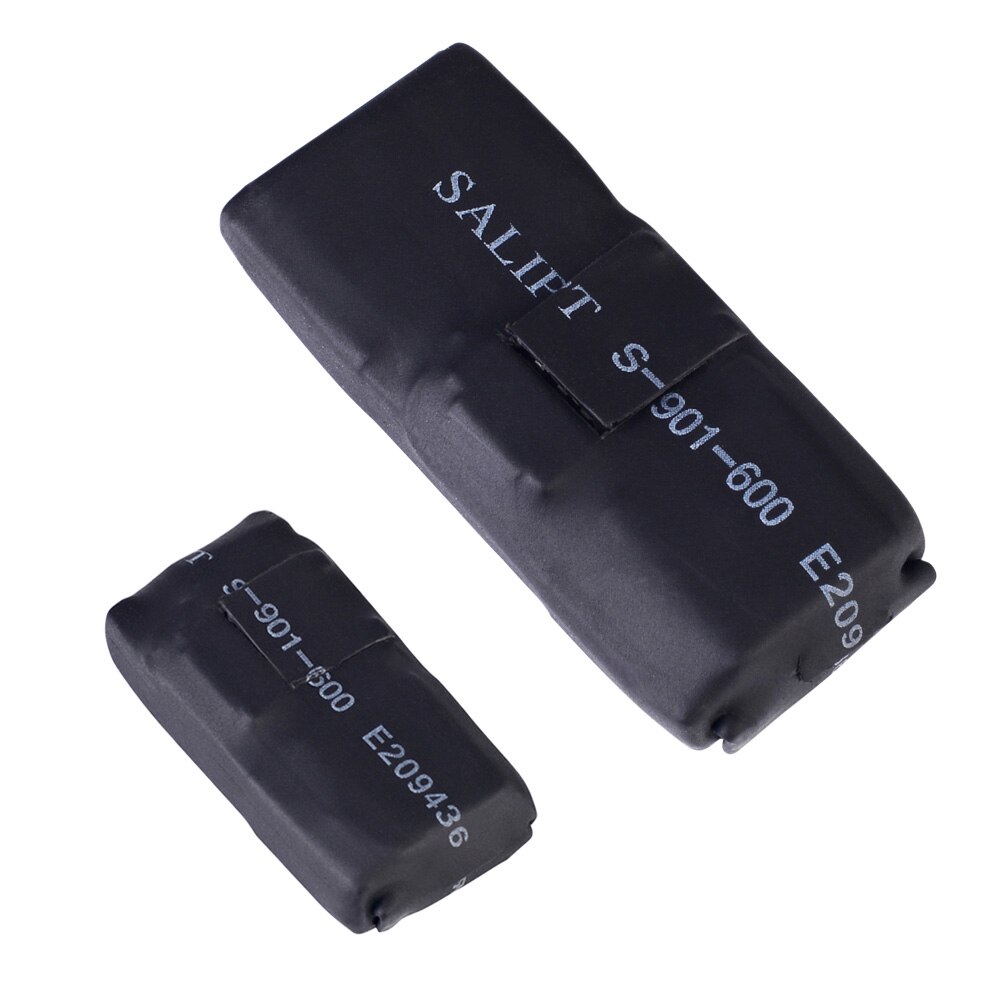
Compare the documented mobile functions and battery versions.

A portable recording format: check controls and export.
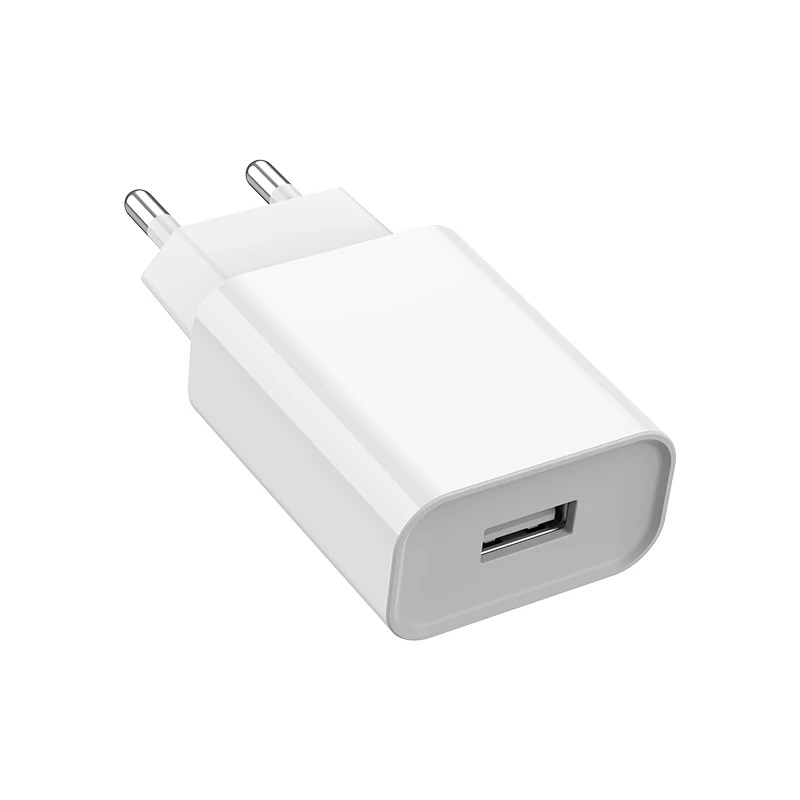
A mains-powered format: check connection, storage and authorised access.
16. Frequently asked questions
Which spy microphone should I choose without Wi-Fi?
For authorised remote access, examine mobile equipment with compatible coverage, bands and SIM services. If the files can be collected after the session, a local recorder may be sufficient. No Wi-Fi does not automatically mean that a SIM is required. Start with the need for immediate access, then compare practical power and retrieval arrangements.
Can a microphone record without Internet?
Yes, when independent local recording is supported. Remote configuration, cloud storage or app-based live listening may still need a connection. Separate those functions and test them individually. A successful offline recording does not prove that remote access will work, just as a successful live feed does not prove that an offline file will be retained.
Does every 4G microphone save recordings?
No. Connectivity describes transport, not storage. A device may provide audio by telephone without a documented recording function. Ask where recordings would be created and how they are exported. Confirm whether an application, the receiving phone, the microphone itself or a server holds the file before depending on any assumed archive.
What is the real pickup distance?
There is no distance that guarantees understandable speech in every room. Speaker level, background noise, reflections and installation change the result. Test a known passage in the intended conditions and compare words understood. A statement that sound can be detected at a particular distance is not the same as a guarantee of reliable transcription.
Should I select the highest bitrate?
Not automatically. Compare codec, channels, storage and audible results. A larger file cannot correct a badly positioned or overloaded microphone. Choose settings that preserve the information needed while meeting capacity and operating-time requirements. Keep the unchanged original if you later create smaller working copies or apply processing for easier listening.
Does voice activation always save battery?
No. It depends on the device’s low-power behaviour and the amount of triggering. A noisy environment may keep recording active almost all the time. Compare actual performance with continuous mode and check for clipped word beginnings. A shorter collection of files is not necessarily a more complete or more reliable record of a session.
Is cloud storage safer than internal memory?
Neither is automatically safer. Cloud access needs suitable account controls and provider arrangements; internal memory needs physical protection and a controlled export process. Compare documented encryption, authorised users, copies, retention and deletion. Choose the architecture that can be managed properly by the people responsible for the recording.
Will a new SIM upgrade a 2G device?
No. A replacement SIM does not replace the modem hardware. Examine a supported modern device if the essential functions depend on retired technology. For equipment advertised as 4G, confirm voice, text and data functions with the chosen operator. Different services can have different compatibility requirements even within the same device.
Can I record because I own the premises?
Ownership alone does not settle privacy, confidentiality or organisational duties. Define the purpose, participants, information and applicable rules before recording. The legal section links to official sources, but sensitive or disputed situations require specific advice. A convenient installation location and an available power socket do not create permission to capture conversations.
How can I reduce the risk of losing a recording?
Test sufficient power, writable storage, the selected mode and the export process before the session. Confirm clock settings, full-memory behaviour and network-loss handling where relevant. After recording, verify the original file and follow the authorised retention procedure. Keep any processed or renamed working copy separate from the unchanged original.
17. Final checklist before choosing and using your equipment
A dependable choice combines a necessary function, intelligible capture and a manageable workflow. Complete the checklist for a real scenario, not for an abstract ideal product. An unanswered question identifies something to ask the supplier or verify during a test. It does not automatically make a product unsuitable, but should be resolved before the equipment is relied upon.
- Purpose: define the authorised task, participants and required information.
- Access: confirm live listening, independent recording or both.
- Network: check Wi-Fi compatibility or the exact mobile services needed.
- Longevity: identify legacy-network dependencies and review dates.
- Audio: verify speech, quieter passages and word beginnings.
- Power: test the duration and reserve in the intended operating mode.
- Storage: confirm capacity, export, loop mode and interruption behaviour.
- Privacy: document accounts, recipients, retention and deletion.
- Maintenance: retain configuration notes and repeat affected checks after changes.
You can now compare the spy microphone catalogue with clear priorities. Use the linked specialist guides when a connection, battery, storage or installation question needs deeper analysis. The objective is consistent across all architectures: useful audio for an authorised purpose, with known limitations and a complete workflow that has been tested before the session matters.
Continue with the specialist guide for your decision
This complete spy microphone guide links the specialist articles in the topic cluster. Compare available equipment in the main spy microphone category.
| Topic | Specialist guide |
|---|---|
| Spy Microphone Buying Guide: How to Choose a Hidden Audio Recorder for Clear Speech | How to Choose a Spy Microphone That Records Clear, Usable Audio |
| Spy Microphone Range Explained: How Far a Hidden Microphone Can Really Record Clearly | How Far Can a Spy Microphone Really Record Clear Audio? |
| Spy Microphone Battery Life Guide: How to Maximize Recording Time and Avoid Power Failure | How to Choose and Use a Spy Microphone for Longer, More Reliable Battery Life |
| Spy Microphone Storage Guide: Audio Files, Memory Capacity, Recording Modes and Evidence Reliability | How Spy Microphone Storage Really Works for Reliable, Retrievable Audio |
| Best Spy Microphone for Each Scenario: How to Choose the Right Hidden Audio Device | How to Choose the Right Spy Microphone for Real-World Listening Scenarios |
| Best Hidden Microphone for an Office: How to Choose Clear, Discreet Audio Monitoring | How to Choose a Hidden Microphone for Clear, Discreet Office Audio Monitoring |
| Voice-Activated Spy Microphone Guide: Capture Clear Speech Without Missed Events | How to Use a Voice-Activated Spy Microphone Without Missing Important Speech |
| Hidden Microphone Testing Guide: How to Validate Clear, Reliable Audio Before Recording Matters | How to Test a Hidden Microphone Setup Before You Rely on the Recording |
| Spy microphone laws: United Kingdom, Europe and worldwide | Spy microphone laws: United Kingdom, Europe and worldwide |
| Best Spy Microphone for a Car: How to Record Clear Audio Despite Road Noise | How to Choose a Spy Microphone for Clearer Audio Inside a Car |
| Spy Microphone Transmission Guide: Local Recording vs GSM, WiFi and Live Listening | How to Choose a Spy Microphone by Transmission Method, Access Needs and Real-World Listening Conditions |
Check the purpose and recording conditions before selecting the workflow. Validate understandable speech, a retained file and remote access as separate results. A stable connection does not prove that the session was saved, and a file on the card does not prove that its words can be understood.
Explore all our spy microphone guides
Connectivity, audio quality, battery life, setup and privacy: use our spy microphone guide library to find the topic guides and related blog articles.