
Cart
0
EUROPE CONNECTION · GPS · LAW & PRIVACY
GPS tracker laws: UK, Europe and international use
A legal guide to prepare responsible use of geolocation: target country, other countries concerned, Europe and international uses. Vehicles, property, people, work, audio and data functions are considered separately.
Official sources consulted on October 31, 2026. The practical examples explain a method and do not constitute individual authorization. The national framework opens the file; the thematic chapters complete the analysis.
United Kingdom: GPS tracking and the applicable legal frameworks
For GPS vehicle tracking in the United Kingdom, distinguish between data protection, employment law, property, privacy and criminal rules. The UK framework should not be presented as a simple current application of the European Union GDPR. The UK GDPR and Data Protection Act 2018 should be read with the applicable amendments and timetable. The movement of a vehicle between the United Kingdom and the Union may also raise questions of transfers and local rights.
Company vehicles: ICO guidance
The ICO explains the requirements for worker surveillance: lawful purpose, necessity, proportionality, transparency and risk analysis depending on the context. The authority indicates that its guidelines are being re-examined following the Data (Use and Access) Act 2025. This indication requires checking the text applicable to the project; it does not mean that all existing protection would have disappeared.
In an employment relationship, the imbalance between employer and employee can prevent truly free consent. It is therefore not enough to request a signature to consider the monitoring as validated. Document the appropriate basis and concrete limits. A company car used privately requires a review of tracking periods, access permissions and privacy expectations; the ownership of the vehicle by the company does not answer all these questions.
The ICO’s guidance on specific monitoring methods distinguishes the technologies and their implications. For a GPS project, specify how journey records, alerts and driving information will be used. If a provider adds a driver score, do not assume that the justification for the original location service automatically covers the new use.
Private tracking and harassment: beware of territorial differences
The Protection from Harassment Act 1997 contains in particular the framework for stalking applicable in England and Wales in the relevant provisions. Scotland and Northern Ireland must be considered under their own rules. Avoid presenting a single criminal article as a uniform description of the whole of the United Kingdom. Tracking a partner, a former partner or a person in conflict does not become permitted because a beacon is commercially accessible.
For monitoring intended to protect a person, clarify their consent, their access to settings and the recipients of the alert. For a conflict, an investigation or a concern concerning a loved one, ask for an opinion adapted to the facts. Police powers, judicial decisions and the actions of an individual are not the same.
Other English-speaking countries: choose local references
Ireland
The Irish Data Protection Commission deals with the tracking of employer vehicles. Ireland falls under the framework of the European Union, unlike the United Kingdom. Monitoring should not become general surveillance of staff. Obligations of transparency, necessity and access management must correspond to the configuration used.
Canada, United States, Australia and New Zealand
These countries do not share a single regime because the services are sold in English. In the United States, check the states involved and the nature of the tracking. In Canada, identify the sector and province. In Australia, some workplace surveillance rules are a state and territory responsibility. The official resources and examples in the international chapter below help guide research without generalizing a local rule.
For an international fleet administered from London, draw up a list of drivers, workplaces and countries of circulation. The supplier's British contract does not alone regulate the obligations of each location. Information in English can be useful, but its understanding by people and the content required locally must also be checked.
Three angles to examine your geolocation project
Scroll through the illustrations. These technical visuals accompany legal questions; they do not constitute certification or validation of a particular use.


Understand the legality of a GPS tracker before installing it
A GPS tracker to protect a vehicle or object can provide a useful service. The same technology can also reveal a person's habits, home, medical visits or relationships. To appreciate a project, we must therefore look at what is actually observed, who consults the positions and for what purpose. The commercial name of the product, its small size and the presence of a SIM card do not alone determine the legality of the use.
This file deals with legislation on geolocation, tracking of people and the protection of property. It completes the store's technical guide. The texts and institutional pages cited were consulted on October 31, 2026. The practical examples offered here explain an analysis method; they are not judicial decisions and do not constitute individual authorization. A project involving employees, a family conflict or several countries calls for a legal verification adapted to its facts.
Four different questions to be treated separately
First, can the device be marketed and used in its exact configuration? Then, does the person who intervenes have the right to access the vehicle, modify its installation or equip the property? Third, is the collection and use of personal data lawful? Finally, is their transmission to an insurer, an employer, an investigator or a jurisdiction permitted? A positive answer to the first question does not automatically answer the next three.
An invoice proves a purchase; it does not prove the driver's consent. A conformity marking concerns the product according to its applicable scope; it does not validate any particular monitoring. A subscription to a platform gives access to a service; it does not create a power of investigation. This separation constitutes a useful starting point for any research on a legal GPS for car, business fleet or object protection.
When does the position of an object become personal data?
A position can concern a person even when the screen only displays a registration or beacon number. If the manager can find the driver thanks to the schedule, the rental contract or the vehicle assignment, the absence of a name in the application is not enough to make the data anonymous. The GDPR defines in particular personal data and the identifiable person in its article 4. Consult the introductory chapter of the GDPR published by the CNIL.
The distinction between anonymization and pseudonymization therefore matters a lot. Replacing a name with an identifier can reduce some exposure, but sometimes matching a driver is very easy. To test your configuration, ask an authorized person if they could deduce the identity from a week of travel, a departure address or a regular schedule. If the answer is yes, treating the data as simply “technical” would be a design error.
Domestic use and commercial service: two scopes to distinguish
Article 2 of the GDPR provides an exception for certain strictly personal or domestic activities. It should not be interpreted as a general permission to follow others nor as the disappearance of criminal and civil rules. The scope of this exception requires an examination of the facts; the activity of a commercial service provider does not automatically become domestic because its client is an individual. The publication or extension of data beyond the private context may also modify the analysis.
Locations can reveal more than the journey
A coordinate is not automatically data belonging to a particular category within the meaning of Article 9 of the GDPR. However, a destination analysis may reveal information about health, religious beliefs or other protected aspects. So don’t turn a table of passages into a tool for inferring about privacy. A high frequency and a long history often make these deductions easier, even if no “health” field exists in the database.
As a practical matter, separate the data necessary for the mission from the information that only attracts curiosity. An intervention manager may need to know which available vehicle is closest to a construction site. It does not necessarily need to consult all the addresses visited over several months. A map useful for a specific operation must be designed around this operation, with accesses and durations corresponding to its objective.
4G GPS, Bluetooth, LoRa and internal memory: the rules depend on use
The GNSS is used to calculate a position with satellite signals; the cellular connection is used in particular to transmit data. Bluetooth, Wi-Fi, LBS, LTE-M or LoRa can participate in tracking or communication. A privacy regulation is not overridden because the device uses different technology. A route retrieved after the mission can be as revealing as a follow-up displayed live.
A tracker without subscription is not a tracker without obligations
An autonomous recorder stores the journeys in its memory, then a user imports them. The absence of a permanent server reduces certain exchanges, but leaves questions concerning collection, consultation, copying and conservation remaining. In the same spirit, a Bluetooth beacon can depend on a network of third-party phones: this operation requires understanding the roles of the manufacturer, the service and the account holder, instead of considering that everything remains exclusively in the buyer's phone.
Connected vehicles and access to equipment
In the European Union, the analysis may also concern ePrivacy rules relating to the storage of information or access to information in terminal equipment, distinct from the choice of a GDPR legal basis. Exceptions and their conditions should be considered according to the function. THEEDPS guidelines on connected vehiclesexplain this articulation. A tracking application is therefore not validated simply because it contains an “I accept” button.
To choose a solution, map the actual path: sensor, beacon, network, application, server, backup and export. Then identify the data added at each step. A technical identifier, a user account, a photograph of the vehicle and a telephone number can considerably enrich a simple position. This diagram also helps to compare local memory operation with an online platform.
Europe: distinguishing the European Union, the EEA and other countries
The GDPR constitutes a common framework within its scope, notably in the European Union and, through the EEA mechanism, in Iceland, Liechtenstein and Norway. Switzerland and the United Kingdom have separate frameworks. Geographical presence in Europe does not make criminal rules, labor law obligations, staff representation procedures or conditions of use of an audio device identical.
The legal basis does not replace other rules
Consent, contract, legal obligation, vital interests, public interest mission and legitimate interest constitute the six bases provided for in Article 6, under their respective conditions. The presentation of the legal bases by the CNIL allows them to be distinguished. A company does not simply choose the one that seems most convenient: it must link the processing to the appropriate basis and be able to explain its reasoning.
A rental contract does not make any observation by the tenant necessary. A commercial interest does not automatically become an overriding legitimate interest. An operational difficulty is not necessarily a life-threatening emergency. Good analysis starts from the service and circumstances, then checks the necessity of each function. If a national rule prohibits a behavior, choosing a GDPR basis does not make this prohibition disappear.
A three-step examination for legitimate interest
Identify the concrete interest pursued, examine whether the processing is necessary, then weigh this interest against the rights and expectations of the individuals. This reasoning must consider less intrusive measures and real guarantees. The CNIL explanations on legitimate interest constitute a benchmark. In a practical file, keep the elements that support each step, rather than an identical formula applied to all vehicles.
Example of useful question before continuous monitoring
To find equipment after unauthorized movement, is a movement alert at rest sufficient? If so, explain why a permanent history would still be necessary before activating it. If not, document the limits of this solution, the ranges selected and the authorized people. This is an example of design reasoning, not an automatic legal validation of the anti-theft mode.
The decision must correspond to the setting actually used
The file loses its value if the application remains configured for permanent collection while the procedure only announces exceptional alerts. Verify the settings with a test account and keep a description of the configuration chosen. Any significant modification deserves a new analysis of its consequences.
Protect your property: car, motorcycle, bicycle, luggage and equipment
An anti-theft GPS tracker for personal property meets a different objective from the daily monitoring of a driver. For a motorcycle immobilized in a garage, the alert may indicate an unexpected movement. For a suitcase, the system can help find the object after a loss. However, the loan, sale, transport or use by a third party changes the situation. Taking these steps avoids retaining unintentional access to another person's life.
Before a loan, decide what should remain active and what information to give to the user. Before a sale, dissociate the account, sharing rights and linked SIM cards or services. A simple password change does not always remove invitations sent to other accounts. Also check the deletion of logs and any conditions for transferring the service to the new purchaser.
What to do when an alert suggests a theft?
A point on a map constitutes an indication, with precision and age to be verified. Keep track of the time, location mode and useful information, then transmit it to the appropriate services depending on the situation. Avoid publicly inferring that a specific person is guilty. An address can correspond to a collective building, a shared parking lot or an approximate location; recovery of the asset must not create a dangerous confrontation.
For a fleet of equipment, assign a manager to receive alerts and provide a replacement. Test the decision circuit before an actual disappearance. Monitoring has little value if notifications only come to someone's phone when they're not there or if everyone thinks a coworker is checking on the situation. These organizational measures accompany the technical choice without replacing the examination of local rules.
GPS tracker on a company vehicle: organize proportionate monitoring
An intervention fleet, a delivery vehicle and a company car do not present the same constraints. For GPS tracking of company vehicles, separately describe security, assignment of missions, justification for a service and any possible work controls. Adding these purposes together in a general formula makes it difficult to define access, durations and observation ranges. The national chapter of this guide specifies the obligations specific to the target country.
Prepare a concrete inventory: which vehicles are allocated by name, which are shared, who uses them outside of professional hours and which subcontractors are involved? A shared vehicle may require distinction between drivers. An assigned vehicle can directly reveal the person. The organization must anticipate team changes and assignment errors so as not to attribute to an employee the trip made by a colleague.
Information, consultation and authorization: three different notions
Informing an employee does not necessarily replace consultation or the agreement of a representative body. An administrative authorization provided for by national law does not, in itself, replace the obligations concerning personal data. Conversely, the absence of a particular formality in a country does not mean that permanent monitoring is permitted. Examine each stage in the correct order before making the system operational.
Private mode must work in practice
When private use is allowed and the analysis requires it to be preserved, the intended command must be accessible and understandable. Test what the administrator actually sees during this time. A button labeled "private" can hide the map in one screen while retaining locations elsewhere. Also check the service provider's exports, alerts and access, so that the procedure reflects actual operation.
A fleet card can also become a source of pressure if it remains permanently displayed in a collective space. Think about who the dashboards are for: the department responsible for assigning interventions does not have the same needs as a maintenance or billing department. Reducing available views is often a more concrete measure than just a general privacy commitment.
Tracking people: children and vulnerable adults
A GPS for elderly people, children or lone workers requires particular attention to the rights of the person being monitored. The protection objective can be real without justifying all the functionalities. Explain what is collected, who can view the map, when tracking works, and how to request an accommodation. A family situation or a close relationship does not create a general power of supervision over another adult.
Adults making their own decisions and people receiving support
For an adult who accepts an assistance service, choose a configuration discussed with them: SOS button, chosen contact, operating range and removal of access when the support ends. For a person whose capacity or legal representation raises a difficulty, check the applicable regime and the exact scope of the mandate or protection measure. Being a caregiver does not allow all the necessary powers to be deduced.
Children: protection and progressive respect for private life
For a child, examine parental authority, the responsibilities of the people concerned and local rules. Introduce the device using words appropriate to their age. Monitoring offered for school trips should not silently transform into remote listening to conversations. In the event of separation or family conflict, do not consider a beacon placed in a bag as a means of circumventing the rights of the other parent.
The age thresholds applicable to a child's consent to certain digital services do not constitute a universal rule authorizing all family geolocation. These are separate legal issues. For sensitive situations, prepare the facts, possible decisions and intended operation before requesting a competent analysis. Medical emergency and daily support must also be distinguished, because their circumstances are not interchangeable.
An alert does not guarantee emergency assistance
A discharged battery, an area without a network or poor positioning of the box can prevent the alert. For a vulnerable person, plan alternative contacts and a no-response procedure. The system completes an assistance organization; we must test this organization, explain its limits and avoid presenting a general public accessory as an absolute guarantee of security.
Concealed tracker: distinguishing between property protection and hidden surveillance
The concealment of an anti-theft tag in an object can meet the desire to prevent its removal by a thief. It is not enough to make it lawful to monitor a person who uses this object. The analysis must consider legitimate users, purpose, required transparency and national rules. The term “discrete” describes a physical feature, not an exemption from privacy rights.
A Bluetooth beacon in keys, construction equipment or luggage must be considered with the life cycle of the asset. Who owns the account? Who receives notifications? What happens if the item is loaned to a customer or taken away by an employee? A solution designed solely around its owner can forget about all the people whose movements will become indirectly visible.
Alerts against unwanted tracking must remain operational
Some ecosystems include warnings of the presence of an unknown beacon. Their behavior depends on hardware, phones and software versions. Check the available functions with the manufacturer. Do not design a project around circumventing these warnings or overriding personal protections. For anti-theft, look for a configuration adapted to the property and the legal framework rather than a promise of absolute invisibility.
If you discover a device that you have not authorized, note the circumstances and seek appropriate help, particularly in a situation of violence or harassment. Immediate deactivation can sometimes alert the tracker; precautions depend on the context. Avoid posting identifiers, contact details or photographs that allow you to be located. A personal safety procedure deserves separate support from simple product troubleshooting.
Microphone, remote listening and camera: a separate legal analysis
A GPS tracker with microphone combines functions which should not be confused. An SOS call openly triggered by its user, two-way communication and listening activated remotely without indication do not have the same characteristics. The availability of an order in the application does not prove that its use is lawful. It is also necessary to look at third parties likely to be recorded.
In a vehicle, conversations may concern a passenger, a child, a customer or a person who does not know that equipment is present. A notice limited to localization does not automatically cover sound recording. For a professional project, describe the audio function in its own scenario: trigger, indicator, duration, recipients and retention. If it is not necessary, disabling it is a useful design decision.
A device may fall under product-specific restrictions
Some countries, including Germany, restrict devices designed or adapted for covert listening. The Bundesnetzagentur explains the restrictions on covert surveillance devices. Check the exact configuration, remote activation controls and documentation, rather than considering only whether a microphone is present. Laws protecting private conversations, images and access to premises may apply alongside data protection law.
For images associated with journeys, avoid the reasoning “GPS is allowed, so is the camera”. A camera films third parties and locations, and may require separate information and settings. If the objective is limited to recovering a vehicle, the addition of a permanent audiovisual recording must be justified for its own sake. Also consult this store's audio and video legal files when they match your project.
Clearly inform and manage people's rights
Under the GDPR, Articles 13 and 14 determine the information to be provided depending on the way in which the data is obtained. The rights of access, rectification, erasure, limitation and opposition each have conditions; they are not all absolute or the same in every situation. chapter III of the GDPR allows you to return to the exact provisions. A notice must make the operation understandable at the appropriate time.
Prepare a notice linked to the actual configuration
A practical notice should explain the person responsible, the objectives, the data and their sources, the basis chosen, the recipients, the durations or their criteria, the transfers concerned and the contact to exercise the rights. Add a simple explanation of the operating modes: live tracking, local memory, zone exit alert or private mode. A formula like “data used for security” leaves too much uncertainty about the operations actually carried out.
To check its readability, ask a person who was not involved in the project to explain in their own words who can view their journey and for how long. His hesitations indicate the passages to be clarified. This editorial verification does not replace legal analysis, but helps to avoid information that is technically accurate and unusable in daily life.
Process an access request without exposing others
A request relating to a shared vehicle may concern several drivers. Prepare a method for period-based extraction and review of third-party information. Just because data is difficult to extract does not automatically make it inaccessible. Conversely, exporting the entire history of a fleet without control would risk disclosing the movements of other people. Provide a person responsible for this verification and follow-up on responses.
Travel history, memory and retention period
The retention period of GPS data must correspond to the purpose and applicable law. The capacity of a memory card or the price of a server does not provide legal justification. For each set, distinguish detailed positions, events, service reports, access logs and backup copies. They do not necessarily have the same need for retention.
The principle of limitation appears in Article 5 of the GDPR with finality, minimization, accuracy, security and liability. chapter II of the GDPR provides the framework. Specific durations mentioned in national recommendations should not be copied worldwide. A delay associated with proof of service does not necessarily justify keeping all raw positions.
Build a verifiable erasure schedule
For each category, note the starting point of the delay, its justification, the mode of erasure and the exceptions actually necessary. Test the deletion on a trial account: disappearance in the interface, in the available exports and in the restoration procedures. A backup can follow a distinct technical cycle, to be supervised and documented. It must not become a secret archive that all administrators consult freely.
Incident and litigation: isolate the relevant elements
If an incident requires preserving part of the data, identify the scope necessary for the file and the authorized people. Avoid suspending without limit the deletion of the entire fleet just because a dispute exists on a vehicle. Record the reason for the special retention and its re-evaluation. This organization makes it possible to distinguish the daily exploitation of a one-off file, without promising that a history will always be admissible before a judge.
GPS tracking server, service provider and international transfers
Ask where the positions are hosted, who can access them, which service providers are involved and how the data is returned or deleted at the end of the contract. A server located in Europe does not answer all questions: support, maintenance or a group company can create other accesses. Describe these operations before concluding that no international transfer exists.
Identify the roles and supervise the service
The manager determines the purposes and means; a subcontractor processes data on its behalf according to the applicable framework. Some providers may also use certain data for their own purposes, which requires a separate analysis. Articles 24 to 32 of the GDPR, grouped together in chapter IV, concern in particular responsibilities, the subcontracting contract, the register and security. The name of the contract is not enough: the operations must be examined.
Checking the scope of an adequacy decision
Transfers under the GDPR to third countries require the examination of Chapter V. An adequacy decision, appropriate guarantees or an exemption meet different conditions. Consult the updated official list of the European Commission. Check the country, sector, organization and scope of the decision rather than relying on an old list found on a blog.
For the United States, for example, a mechanism for participating organizations does not mean that all American suppliers are covered. For Canada, the sectoral scope must also be examined. A known application or a major supplier does not exempt from verifying the contracting entity and its commitments. Keep a dated copy of the analysis, as a change of service provider or subcontractor may change the situation.
Plan data export and service termination before subscribing
Test the export of useful journeys in a usable format and check the account closure procedure. Ask what happens to the SIM card, server domain configured in the box and support access. A change of platform may require technical reconfiguration; it can also change the recipients and transfers described to people. These consequences should be anticipated before large-scale deployment.
Secure the application, accounts and alerts
The security of a geolocation platform starts with daily access. Use individual accounts, strong authentication where available, limited rights and a procedure for removing access. Reserve administration for people who need it. A former employee, an installer or a lost telephone must not retain the possibility of consulting positions for the long term.
Also check the sharing links. Some provide access to a card without connection for a specific period; others may be copied or remain valid longer than expected. Test expiration and revocation with a separate account. For a temporary mission, prepare the end of the sharing as soon as it is created. A password policy does not protect a public link that circulates in multiple conversations.
Notifications also constitute a disclosure
An alert displayed on the lock screen may show a private address. A message sent to a collective mailbox can be read by unrelated people. A screenshot shared to request assistance may contain entire journeys. So examine notification channels and support habits. Prioritize limited messages as needed, with details viewed in a space reserved for authorized individuals.
Prepare an incident response
Describe who blocks an account, who contacts the service provider, who preserves useful logs, and who assesses notification obligations. Under the GDPR, Articles 33 and 34 provide different conditions and deadlines for the authority and for individuals. The notification procedure explained by the CNIL helps to distinguish these stages. An outage and a data breach are not the same, but an initially technical incident may require this analysis.
Data protection impact assessment and GPS compliance records
A data protection impact assessment is not required for each GPS accessory in all situations. Within the scope of the GDPR, it is necessary when the processing is likely to cause a high risk. Criteria, lists of authorities and context matter. The presentation of the AIPD by the CNIL explains this approach. Systematic, detailed monitoring concerning vulnerable people particularly deserves serious consideration.
The file must describe what will actually be done, the reasons, the risks for people and the measures envisaged. Don't reduce it to a list of computer protections. An internal indiscretion, driver error, family separation diversion, or erroneous disciplinary finding may be more relevant than an abstract hijacking scenario. The human consequences guide the settings and the organization to be retained.
The documents to be reconciled
Compare the instructions given to users, the service provider's contract, the platform parameters and the operational procedure. They must tell the same thing: same objectives, same categories of recipients and same deadlines. If the sales department announces unlimited history but the file provides for rapid erasure, resolve the discrepancy before commissioning. Alignment of documents is worth more than a large number of contradictory pages.
Plan a review when there is a change of purpose, country, service provider, technology or category of people. Adding a microphone, driving score, or automated detection can significantly change the analysis. An old validation is not a blank check for all the functions added by a software update. Designate someone responsible for monitoring these changes.
Geofence, speed, movement, fall: adjust the functions according to their objective
A geographical zone exit alert allows you to report an event without necessarily continuously displaying all journeys. However, it can reveal a habit or a sensitive place. Define the scope, active ranges, recipients and retention period of the alert. A zone should not be drawn around a private place simply to satisfy a curiosity unrelated to the announced mission.
Unplanned movement and displacement
For immobilized equipment, the sensor can trigger a check. Plan for ordinary causes: authorized handling, scheduled transport or intervention by a technician. An alert must lead to examining the facts, not to automatically accusing a person. The procedure must indicate how to reconcile the event with the schedule and how to correct a false interpretation.
Speed and driving indicators
The values calculated by a tracker do not automatically constitute an approved road control instrument nor sufficient proof of a fault. Speed monitoring may be subject to national restrictions and purposes other than dispatching. Verify its necessity before enabling a driver rating. A card designed to find a vehicle does not, in itself, justify a permanent classification of employees.
Fall detection and lack-of-movement alerts
Automatic detection can produce false positives or miss an event. Define a call, confirmation and escalation protocol adapted to the context. Information relating to discomfort or a state of health may require additional analysis. The recipient of an alert must know what data they can transmit and to whom, rather than broadcasting the entire history to the first available interlocutor.
Sound and listening
A sensor detecting a sound level and a microphone allowing you to listen to a conversation are not equivalent. Ask the provider what data is captured, recorded and transmitted. If the application uses the term "sound detection", check if it only keeps an event or also an audio file. The legal analysis must focus on the real function, regardless of commercial vocabulary.
OBD, cigarette lighter, hardwired installation and cut-off relay
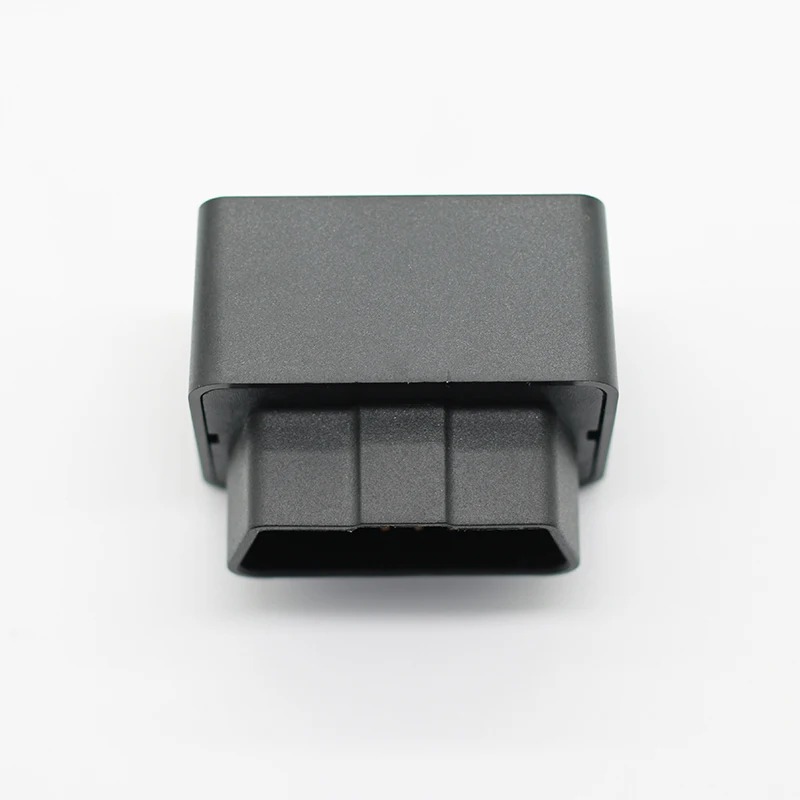
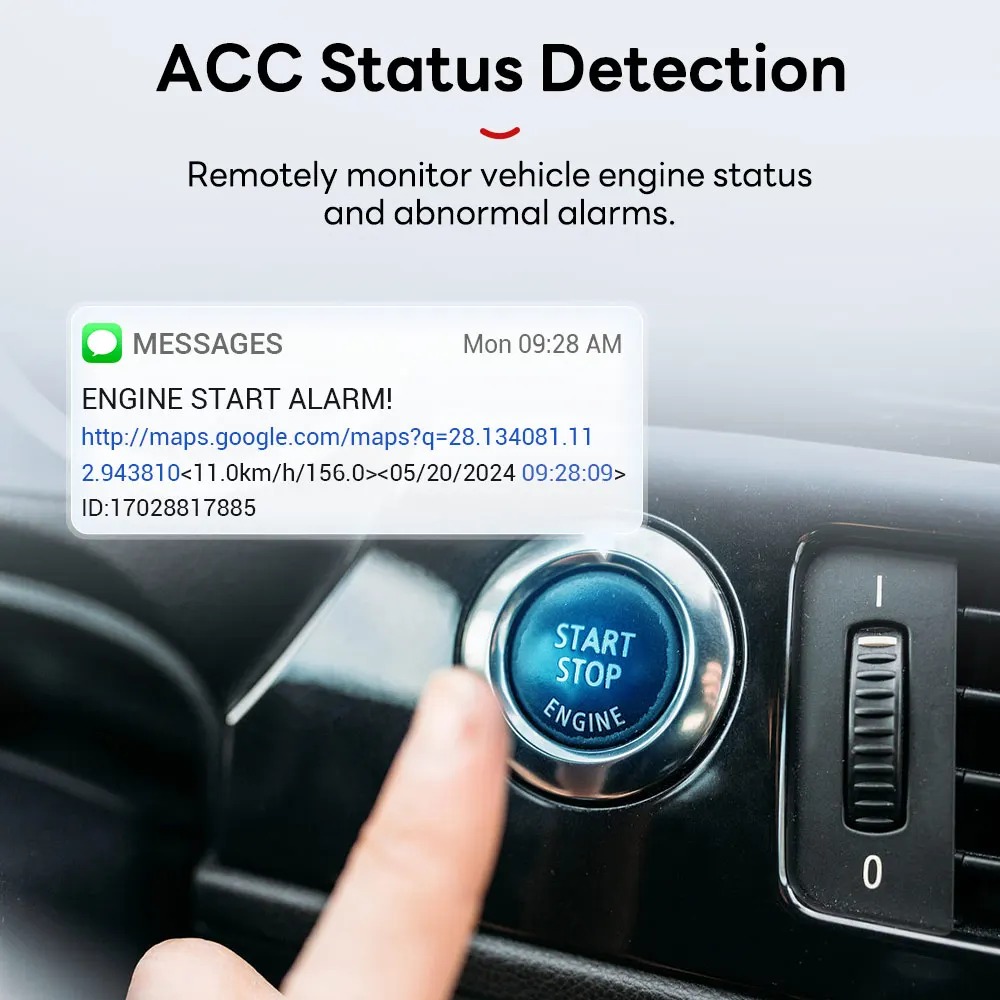
A OBD GPS tracker for company vehicle can retrieve more than coordinates: depending on the model and vehicle, operating information may be available. Take inventory of which fields are enabled instead of assuming the box only sends position. A cigarette lighter installation sometimes simplifies power supply but does not, in itself, change the legal conditions of monitoring.
Authorization to work on the vehicle
Check the title allowing installation and the conditions of the rental, financing or guarantee contract. The person driving does not necessarily have the authority to authorize an electrical modification. The hardware owner is not necessarily the only one interested in the data collected. Keep a description of the intervention, the functions and the person who requested the configuration.
Remote control requires a separate study
A relay can be used for an authorized control or immobilization function, but its installation affects the safety of the vehicle and the responsibilities of the operator. Do not consider a function available in the application as permission to stop a vehicle in traffic. Have the assembly, operating conditions and technical restrictions checked by a competent professional. Monitoring analysis and control analysis must be conducted separately.
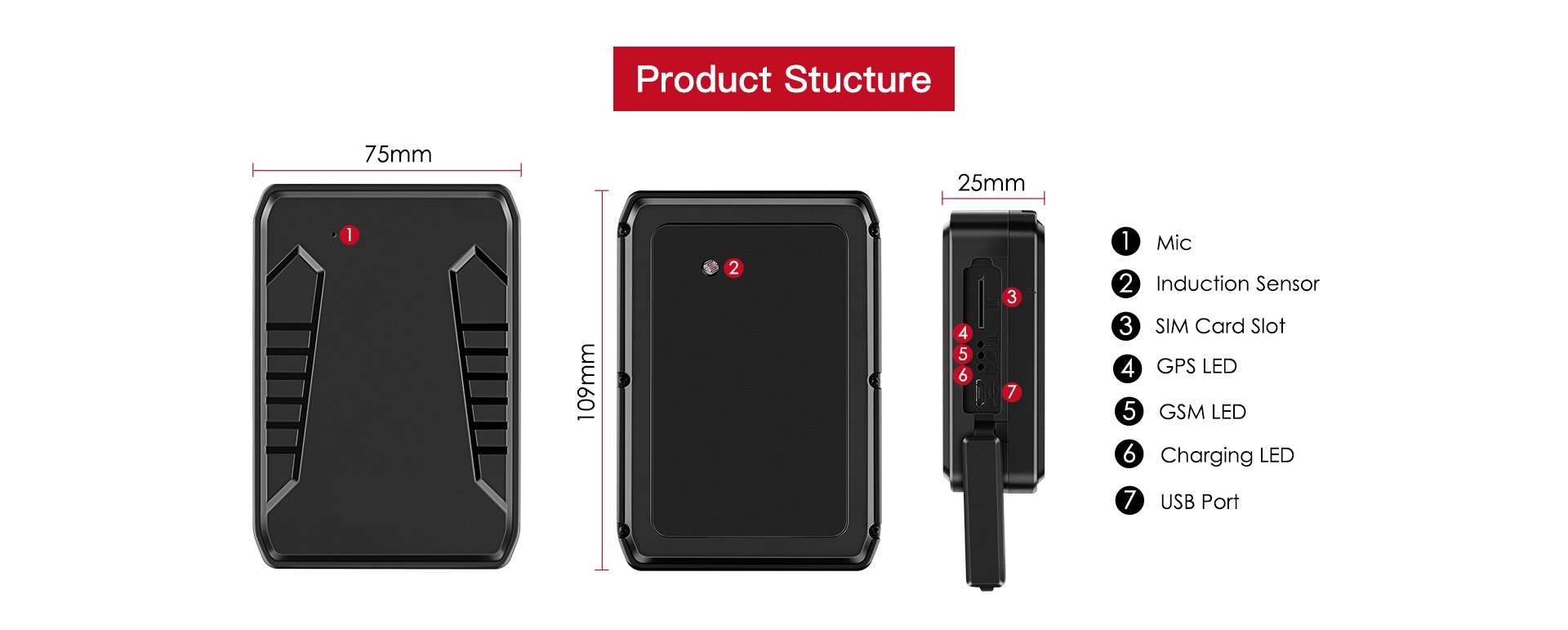
For integration into an object, examine autonomy, recharging, heating, access to maintenance and exposure to shock or water. EUROPE CONNECTION can study a GPS installation or integration project depending on the purpose and intended use. This technical study does not replace verification of the right to proceed with installation and monitoring. Feasibility depends in particular on dimensions, materials, reception and safety conditions; it cannot be guaranteed for any item without examination.
Rental, insurance and lending: define the conditions before handing over the vehicle
A GPS tracker in a rental vehicle can be considered for different purposes: fleet management, assistance or reaction to non-return. These objectives do not necessarily justify the same frequency or the same access to positions. Define activation situations, authorized people and information given to the tenant. A general clause does not replace the analysis of necessity and national rules.
For an insurance contract, check what is requested: presence of equipment, maintenance, activation after incident or transmission of certain data. A contractual requirement does not automatically permit all possible processing. Reconcile the insurer's documents, those of the platform and the driver's practice in order to avoid contradictions. Do not promise a guarantee of compensation just because a tracker is installed.
When a workshop, valet or carrier temporarily receives the vehicle, anticipate authorized access and movements. A movement alert during a planned intervention does not have the same meaning as an unexpected movement. Keep the information useful for organizing the delivery, without automatically transforming each passage from a third party into an individual surveillance file.
GPS data as evidence: preserving the facts without drawing excessive conclusions
A GPS history for insurance, litigation or complaint can contain useful information. However, its value depends on the context, the applicable law, the conditions of collection and the assessment of the competent authority. A screenshot does not automatically establish the identity of the driver, the accuracy of a time or the reality of a presence in a premises. Present the data as elements to be examined, with their technical limitations.
Keep, where justified, the original file, device reference, account used, period, time zone and export method. Note any corrections or interruptions in reception. If you prepare a summary table, keep the possibility of returning to the source data. Unexplained time conversion or filtering can create a misleading appearance of certainty.
Do not publish history to “prove” a suspicion
Targeted delivery to an authorized contact and publication on a social network are very different operations. Dissemination may expose others, a home or schedule, and create other liabilities. Limit the file to items relevant to the request. When the interlocutor requests more data, check its identity, its quality and the scope really necessary.
Case law concerning the police does not give identical power to a surveillance company or to an individual. Public investigators act within a particular procedural framework; a judicial authorization or its conditions do not translate into a simple commercial option. For a private investigation, rights of access to the property, privacy, professional rules and processing conditions must be examined together.
Outside Europe: thinking country by country, without promising global legality
A GPS tracker usable internationally can be technically compatible with several networks while requiring a different legal analysis at each stage. The countries of circulation, residence of people, establishment of the responsible person and access to data can all count. The language of a store does not determine the law applicable to all its buyers. The following examples are representative entry points, not an inventory of all legal systems.
United States: Do not confuse federal and state law
Rules may depend on the state, type of relationship, physical tracking, and information processed. Constitutional jurisprudence concerning public officials does not constitute a general authorization given to individuals. For a project, identify the states involved, the rules relating to harassment and unauthorized tracking, and then any sectoral rules. Avoid a single answer such as “legal in the United States” inferred from where the product is sold.
Canada: identify the relevant federal or provincial regime
The sector, province and nature of the organization influence the applicable obligations. The Federal Office and provincial authorities publish additional resources. The joint resolution on privacy at work highlights the challenges of modern surveillance technologies. It constitutes institutional guidance, to be distinguished from the legislative text applicable to the specific case.
Australia: also check state and territory laws
In New South Wales, the Workplace Surveillance Act 2005 contains requirements specific, in particular on prior information and surveillance by follow-up. This text should not be presented as a uniform law across Australia. For a business vehicle operating in multiple states, review workplace locations, information requirements and restrictions on off-duty tracking.
New Zealand: An explicit business tracking policy
The Office of the Privacy Commissioner explains the importance of making employees aware of GPS tracking and its methods. For a concrete project, relate this information to the objective, access to data and conservation. A text submitted once does not solve the problem if the practice then changes without explanation.
South Africa: review POPIA conditions
The South African framework provides for its own processing conditions and mechanisms. The Information Regulator presents the legality conditions of POPIA. European vocabulary should not be copied assuming that the same exceptions, formalities and transfers exist everywhere. For sensitive data or children, also check the specific rules relevant to the project.
Other destinations: a verification procedure before departure
For China, India, Japan, the Gulf countries or any other country not detailed here, look for the official texts in force and their timetable for application. Check local constraints regarding telecommunications, privacy, work, data and its export. The absence of a national chapter in this guide does not mean absence of rules or implicit authorization. A long-term installation or sensitive use requires a local study.
For international transport, prepare a sheet per route: countries crossed, people likely to use the vehicle, service providers, data destinations and person responsible for requests. Reevaluate it when a new destination is added. If compliance is not established, consider more limited configuration or suspension of certain functions; do not let the roaming service alone decide the legal scope of the mission.
Three practical GPS privacy scenarios
A company van shared by two drivers
Before enabling a journey report, identify how the system assigns each driver. A roster may change during the day, and a vehicle identifier alone does not prove who was driving. Explain the purpose of the report, limit the viewers and establish a way to correct an incorrect assignment. If the van is also used privately, test the privacy setting from both the driver’s account and an administrator’s account. Keep a record of that test rather than relying on the label shown in the app.
A personal bicycle lent to a friend
A tracker installed for theft recovery can reveal the borrower’s movements. Consider the information to provide, the purpose of any access and the duration of the loan. Once the bicycle is returned, avoid retaining or sharing an unnecessary record of the friend’s destinations. If the bicycle is sold, remove account associations and previous sharing permissions. The practical steps must accompany the applicable legal assessment.
An assistance device with an SOS button
Discuss who receives an alert, whether location is collected continuously and what happens if the main contact does not respond. Separate the location function from any microphone or camera. Check whether the wearer can understand and use the controls, and review any applicable representation arrangements. These examples illustrate questions to investigate; they do not amount to findings that the proposed tracking is lawful.
Practical table: points to check depending on the situation
| Situation | Central question | Measure to prepare | Frequent error |
|---|---|---|---|
| Anti-theft personal vehicle | Who uses the property and what movements are revealed? | Organize loan, sale, sharing and access | Confuse ownership with unlimited authorization to follow a third party |
| Professional fleet | Why, when and by whom are employees monitored? | Information, national work rules, rights and conservation | Reuse a logistics tool for permanent monitoring |
| Bluetooth beacon in an object | Who owns the account and how does the network work? | Check alerts and the end of sharing | Think that the absence of SIM excludes privacy |
| Accompanied person | What decision-making power and what real need? | Associate the person and supervise contacts | Assume that the family relationship is sufficient |
| Tracer with microphone | Which conversations can be picked up? | Separate analysis of audio and product | Assimilate an SOS call to hidden eavesdropping |
| Rental vehicle | What objective and what information to the renter? | Define activation cases and access to positions | Invoke the contract for all uses |
| Cross-border tracking | Which countries, recipients and transfers? | Checking rules and provider | Confusing network compatibility with legal permission |
This table is used to prepare the analysis. It does not automatically classify a use as legal or illicit; the conclusion depends on the facts, the country and the applicable rules.
A ten-step deployment method
- Describe the purpose. Formulate a concrete need, for example finding equipment after unauthorized movement, and distinguish it from other envisaged uses.
- Identify people. Include drivers, passengers, employees, customers and occasional users whose movements can be revealed.
- Determine the countries concerned. Examine location of use, labor relations, responsible, hosting and remote access.
- Check the right to install the device. Control access to the property, decision-making power, contract and security conditions of the installation.
- Analyze the processing and specific rules. Determine the legal basis, criminal restrictions, labor law and obligations specific to audio or video functions.
- Limit data. Choose precision, frequency, private modes and history duration according to the needs actually established.
- Inform and complete required procedures. Prepare notices and verify consultation, agreement or authorization when required by national law.
- Supervise the supplier. Check roles, security, subcontractors, transfers, export and end of service deletion.
- Test before wider deployment. Control access, alerts, end of sharing, deletion and reaction to errors with adapted test data.
- Reexamine the system. Schedule a review in the event of a change of function, user, country or service provider.
For a small organization, a clear and up-to-date file can be more useful than a voluminous file that no one consults. For a complex deployment, the same questions must be discussed in depth with the business managers, the data protection officer where one exists and the competent legal contacts. In all cases, the person activating the account must know which functions have been selected.
Apply the legal review to each enabled product function
GPS tracker laws for vehicles and asset monitoring concern the actual use, affected people and relevant jurisdictions. Buying a tracker or owning a vehicle does not answer every privacy, employment or physical-surveillance question. Define the purpose, relationship, countries and data flows before activation. The catalogue examples below illustrate technical differences; they are not findings that a proposed use is lawful.
Keep location, audio and remote actions distinct
A tracker may combine coordinates and a microphone. Permission to process location does not automatically settle whether conversations can be captured. Identify whether a function records an event, a sound level or intelligible audio, and where any recording is transmitted or stored. Do not assume that a device can immobilise a vehicle unless its specific documentation establishes that function and the installation is suitable.
For UK workplace monitoring, the ICO's monitoring-workers guidance provides a practical reference on assessing the processing. Check its current status and the underlying law for the project. A policy document alone does not demonstrate necessity, proportionality or transparency. A different country's employment and surveillance rules must be considered separately when equipment crosses borders.
Review local memory and remote copies together
An internal buffer and a hosted journey history may create separate copies with different access and deletion arrangements. Identify administrators, exports, shared links and service providers. A product without a SIM can still reveal personal movements through Bluetooth detections and an associated service. Absence of a mobile subscription does not remove the need to examine privacy and access.
Before deployment, test account restrictions using the relevant user roles and verify how temporary access ends. Include a rental return, a driver change and an information request in the review. If audio, country coverage or the service provider changes, reassess the setup. The checklist below helps prepare that assessment; it is not a compliance certificate and does not replace consideration of the particular circumstances and applicable rules.
| Check | Test or question | Record to keep |
|---|---|---|
| Location | Purpose, people and jurisdictions | Ownership alone is not a complete answer |
| Audio | Capture, transfer and storage | Review separately from location |
| Memory | Local and hosted copies | Access and deletion arrangements |
| Workers | Applicable law and information | Assess necessity and proportionality |
| Sharing | Recipients and duration | End links and permissions when no longer needed |
Read catalogue claims alongside the test results
The comparison uses the current product descriptions, not independent laboratory measurements. Capacity figures and supported features must be checked on the selected variant. The examples do not imply that all platforms offer the same exports, alarms or server settings. Prices and available options are shown in the linked product selection.
For a reliable comparison, keep the same reporting interval, mounting environment and observation period. Record the device reference, firmware when available and service settings. Keep advertised limits distinct from measured results, and retain uncertainty where the service does not expose enough information. A built-in microphone calls for a separate review of its actual use.
| Product | Architecture | Listed feature | Check before deployment |
|---|---|---|---|
| EchoSpy 10 – 4G LTE Magnetic GPS Tracker with Spy Microphone | Battery-powered GNSS / 4G | Advertised 10,000 mAh | Test active tracking and standby separately; duration depends on use. |
| 4G OBD GPS Tracker with Microphone | GNSS / 4G through OBD | Power from a compatible vehicle socket | Check vehicle fit and documented functions; motorcycle compatibility is not assumed. |
| FoxSpy 1 Advanced Wired 4G GPS Tracker with 720-Position Memory | Wired GNSS / 4G | Listed 9–95 V supply and up to 720 stored positions | Check installation, parked consumption and data recovery. |
| Nano-FR01 Miniature Bluetooth Tracker, No Subscription | Bluetooth through a compatible network | No cellular SIM | Updates depend on detections; this is not an independent GNSS/4G tracker. |
Compare the device formats in pictures
Swipe or scroll horizontally to compare the product photographs. Open the linked listing for dimensions, variants and current conditions.
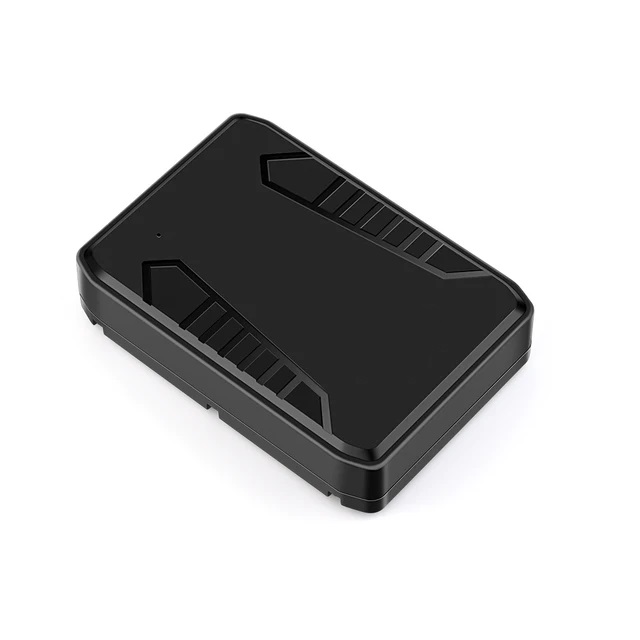
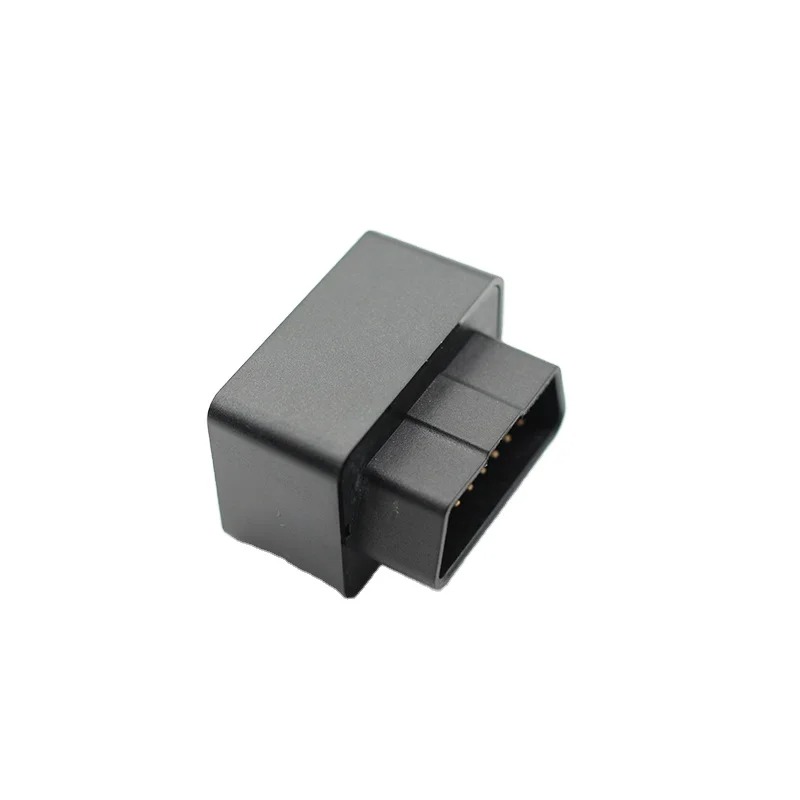

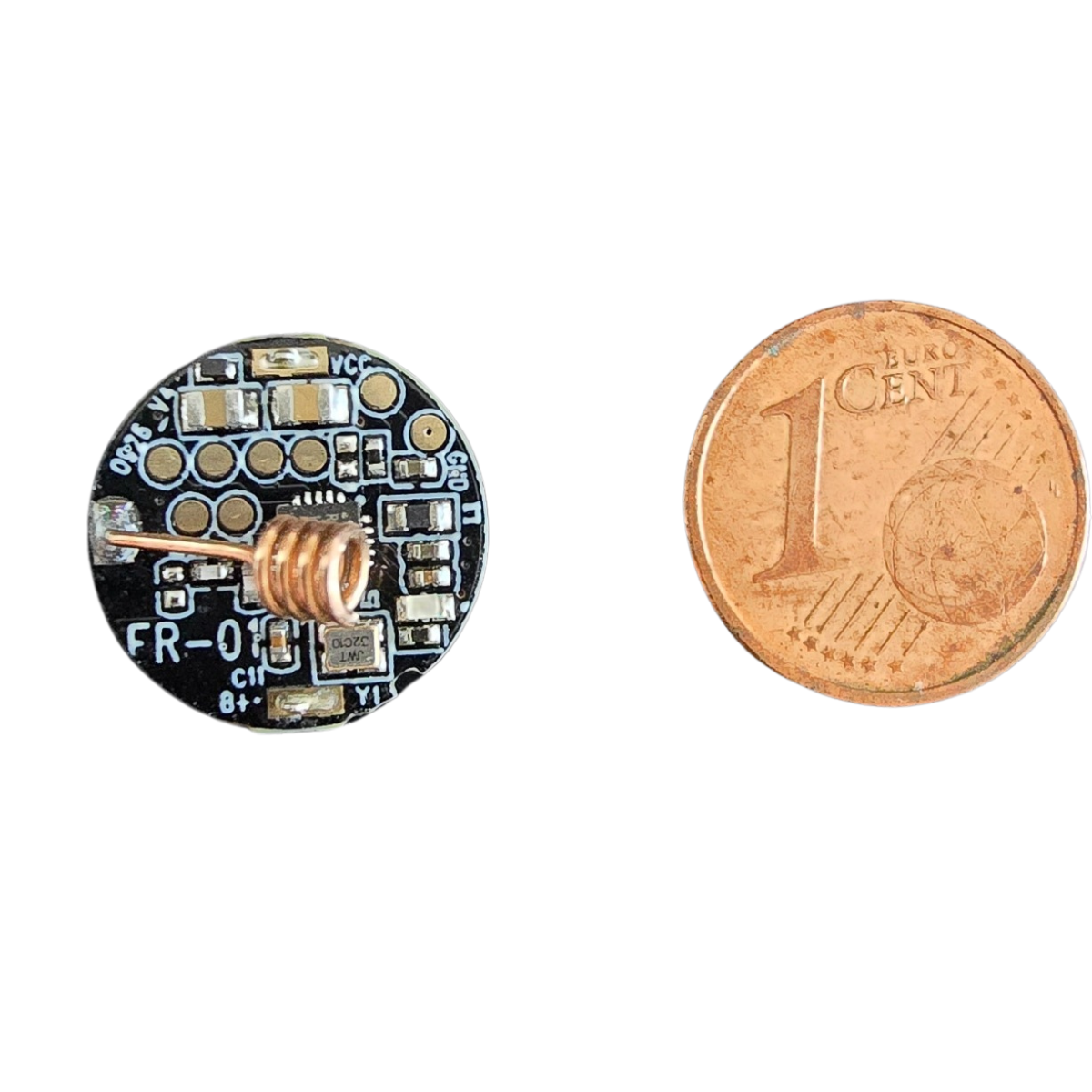
Catalogue references to compare for your project
Closer views: plan fit and maintenance
Swipe or scroll horizontally to compare the product photographs. Open the linked listing for dimensions, variants and current conditions.

Continue with the related tracking guides
- GPS trackers: the complete guide to technologies, tracking and asset protection
- GPS tracker accuracy: positioning, latency and real-world tests
- GPS tracker alerts: geofences, motion detection and practical response
- GPS trackers for tools and equipment: deployment, custody and asset recovery
- GPS tracker connectivity: 4G, SIM cards, roaming and reliable coverage
Browse the matching categories
All trackers · Mobile-network GPS trackers · Objects · People · Internal memory · Vehicles · Subscription-free technologies · Concealed devices
FAQ: Frequently asked questions about the legality of GPS trackers
Can you buy a GPS tracker legally?
Purchasing a device and using it in a specific situation are two different questions. Check the conformity of the product and its functions, then the right to install it, data processing and local restrictions. A sale open to the public does not validate all surveillance scenarios.
Can the owner of a car track all its drivers?
Ownership does not grant unlimited rights over the movement of people. Loan, rental, employment and private use require separate analyses. Identify the people, the purpose and the country before activating a history or sharing access.
Does a GPS without a SIM card escape privacy rules?
No. A trip memory or a Bluetooth beacon can reveal personal trips. The absence of cellular transmission does not remove questions relating to collection, recipients, security and storage.
Is consent always the only possible basis?
In the field of the GDPR, several bases exist depending on their conditions. This does not exempt from criminal rules or labor law. At work, consent can raise a problem of real freedom of choice; the chapter of the target country specifies the relevant particularities.
Can an employer monitor private journeys?
It is necessary to examine the necessity, the national rules and the conditions of use of the vehicle. A professional purpose does not automatically justify monitoring outside of work. A private mode must be checked in the data actually stored and in administrator access.
Is a tag hidden in an object always authorized?
No. Physical concealment does not exempt us from examining the movements of legitimate users. Anti-theft protection and secret surveillance of a loved one are not the same project, even if they use the same product.
Can we equip a child or an elderly person?
Analyze the need, the rights of the person, the applicable authority or representation and the exact functions. Involve the person as much as their situation allows. An assistance solution must not become without examination a permanent listening or monitoring of all its relationships.
How long to keep a GPS history?
The time limit depends on the purpose and the applicable framework. There is no single global deadline. Distinguish detailed positions, useful reports and security logs, then justify and test erasure rules.
Is a European server enough to ensure compliance?
No. Access, support, subcontractors, contracts, security measures and possible transfers must also be examined. The location of the server is important information, but does not summarize the processing chain.
Can we listen remotely with a tracker equipped with a microphone?
This function requires a separate analysis. Private conversations and third parties are affected, and some countries have specific restrictions on covert listening devices. A transparent SOS call is not equivalent to secret eavesdropping that can be activated remotely.
Is a GPS position enough to accuse someone?
No. Check age, precision, location mode and device assignment. A coordinate can correspond to a shared or approximate location. Pass on relevant information to the appropriate people without publishing a personal history to support a suspicion.
Is the same setting appropriate in all countries?
No. International technical compatibility does not create global legality. Work, privacy, telecommunications and transfer rules may vary. For an international mission, prepare a verification by country and by use.
Can EUROPE CONNECTION study integration into an object?
A project can be studied according to the object, its design and the desired use. Reception, power supply, security and maintenance determine feasibility. The technical study must be accompanied by verification of the right to install and use the system.
Explore our related GPS guides and product categories
The legal file accompanies the technical choice. Check out this store's categories and items to review tracker type, battery constraints, features, and installation. The choice of product must come after the definition of a legal use, and its settings must correspond to this definition.
- Complete technical guide: GPS technologies, autonomy, installation and alerts
- Compare GPS trackers and categories shop
- GSM GPS Trackers (3G / 4G)
- GPS Trackers for Objects
- GPS Trackers for People
- GPS Trackers with Internal Memory
- GPS Trackers for Vehicles
- Subscription-Free GPS Trackers LoRa / Bluetooth
- Concealed GPS Trackers
- GPS Trackers on Sale
- New GPS Trackers
- GPS Tracker Accuracy Explained: What Really Affects Position Precision in Real-World Tracking
- GPS Tracker Alerts Explained: How to Set Geofences, Motion and Anti-Theft Notifications That Actually Matter
- GPS Tracker for Tools and Equipment: Asset Recovery, Alerts and Deployment Guide
- GPS Tracker Connectivity Guide: 2G, 4G, SIM Cards, Roaming and Reliable Coverage
How to use official references in this guide
External links placed near the explanations lead to legislative texts, data protection authorities or published decisions. A text sets rules; a recommendation explains an approach; a decision examines particular facts. Always check the current version, the date of application and the field concerned. Future projects and reforms are marked as such and should not be read as permissions already applicable.
This file is general information, up to date with the consultation of sources as of October 31, 2026. It does not replace the analysis of a legal professional for a dispute, a sensitive surveillance system or an international deployment. For a technical study, prepare the description of the property, the country, the users, the functions and the need for autonomy in order to ask the right questions from the start.