
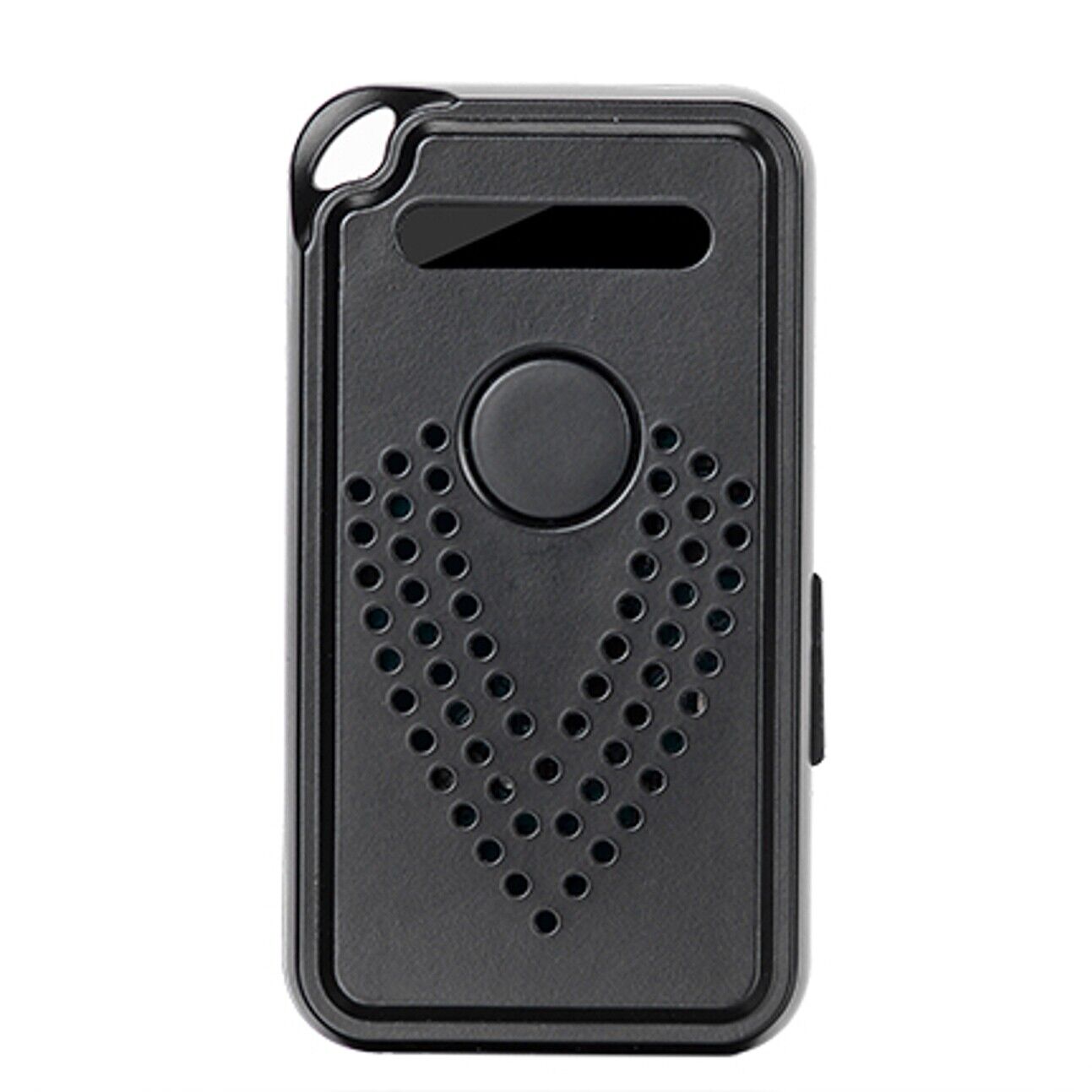
Your starting point
The complete spy microphone guide
Connections, listening, recording, audio, battery life and privacy: the foundations for choosing.
Start reading →The guide library · Europe Connection
Understand connections. Compare audio quality. Prepare a setup that fits your needs.
Find our spy microphone guides, related blog articles and user help in one place. To compare equipment, explore our spy microphone range.
Wi-Fi, 4G, local recording, battery life, voice activation and privacy: go straight to the guide that answers your question.
Your starting point
Connections, listening, recording, audio, battery life and privacy: the foundations for choosing.
Start reading →Start with the complete guide, then explore the function that matters most to your project.
Search by topic, Wi-Fi, offline recording, battery life, audio quality, vehicles or installation.
Read the laws and privacy guide, then plan the settings, security and audio test.
The microphone library
Practical guides and related blog articles, grouped by topic. Dated articles retain their publication date so you can read them in context.
Search article titles and topics, then combine your search with a subject or content type.
Start here: connectivity, live listening, recording, audio quality, battery life and authorised use.
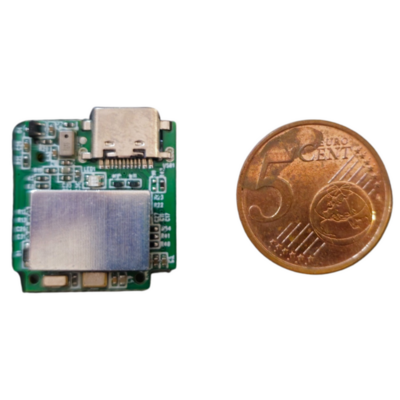
Choose a hidden audio recorder around speech clarity, the room and your practical constraints.
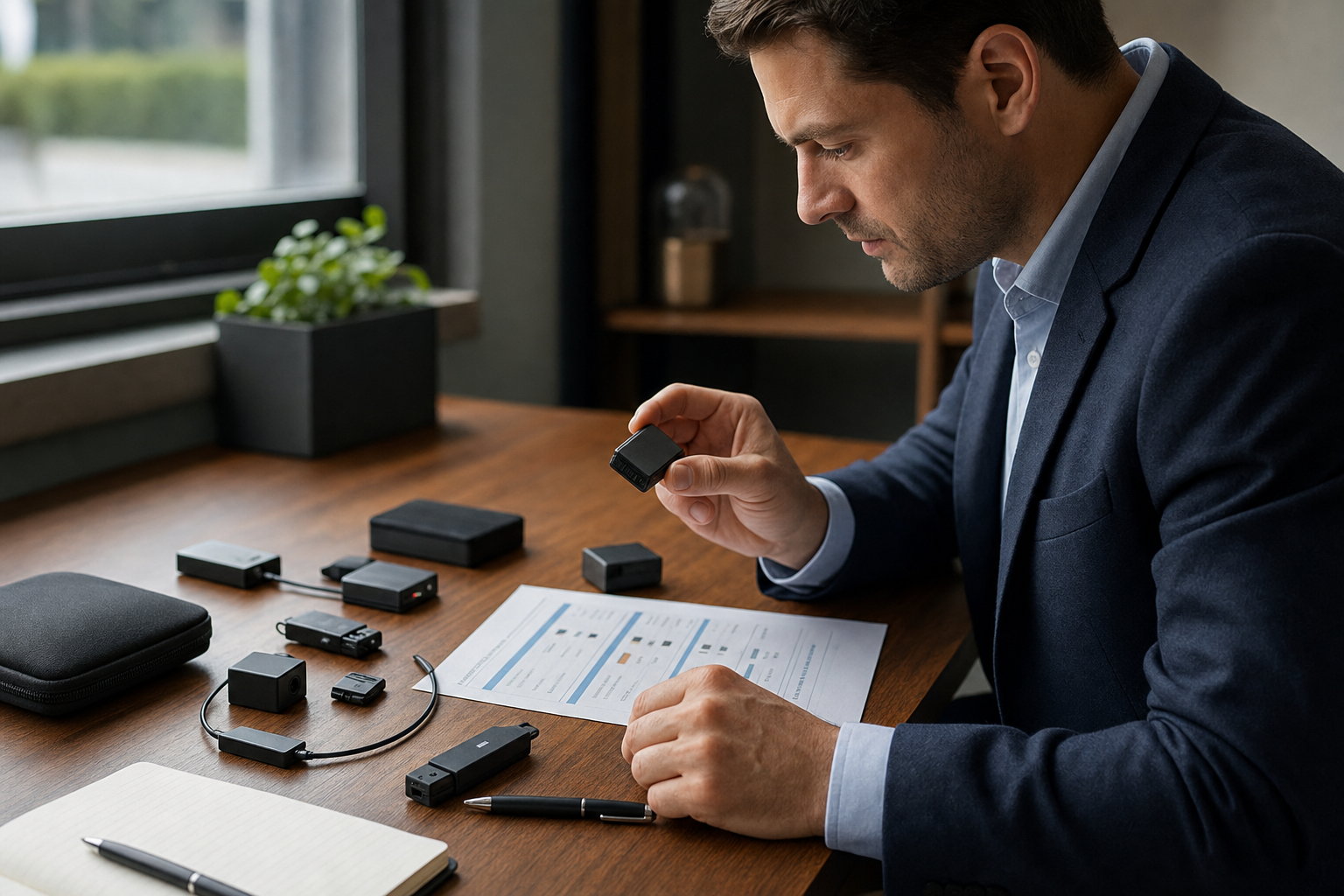
Compare local recording, mobile networks, Wi-Fi and live listening without confusing their functions.
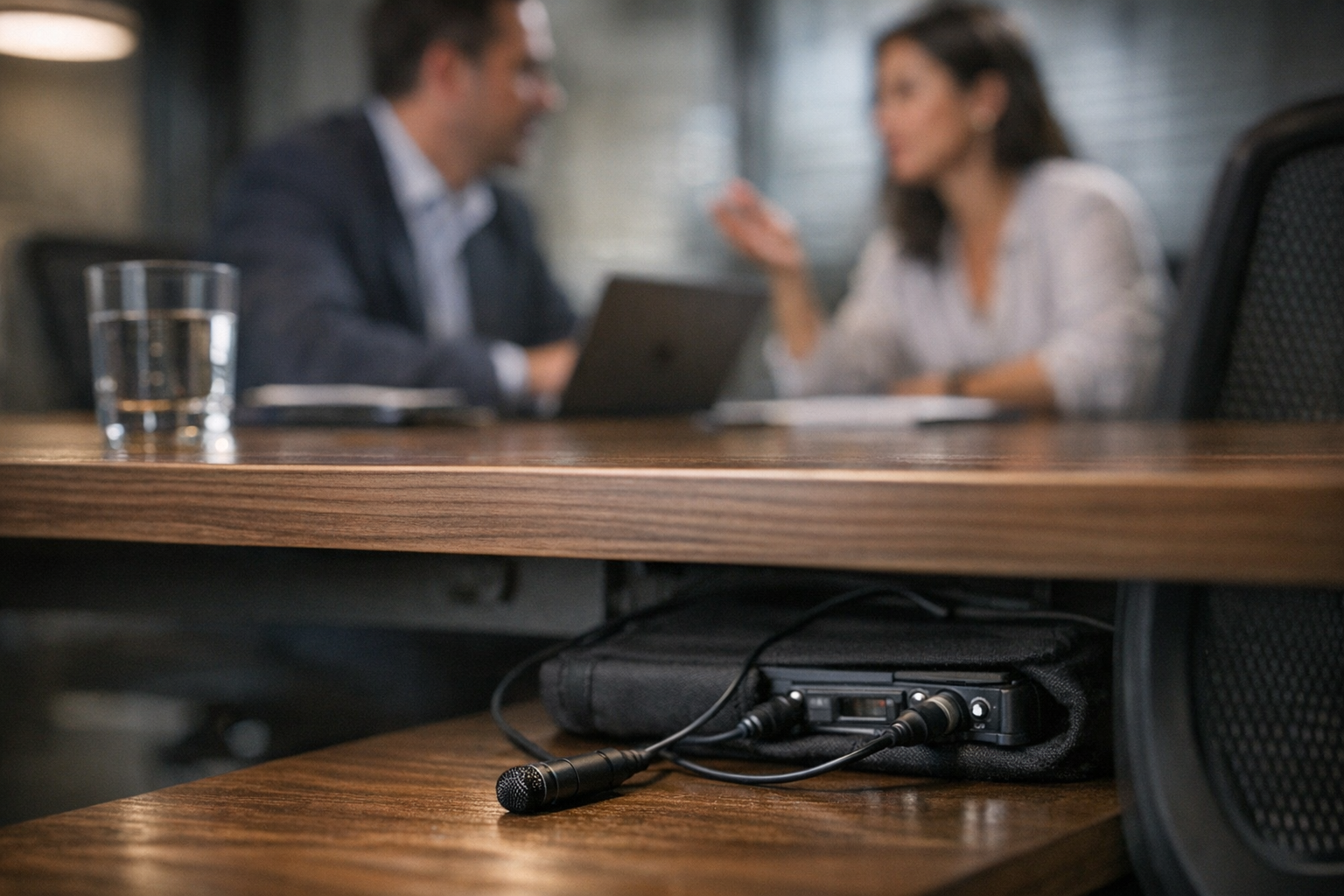
Distinguish acoustic pickup distance from connection range and assess realistic speech clarity.
Plan battery life, power arrangements and recording time for the way the device will operate.
Understand audio files, memory capacity, recording modes and reliable file handling.
Understand voice activation, thresholds and the checks that help avoid missing speech.
Match the audio device to the location, connection and constraints of your intended use.
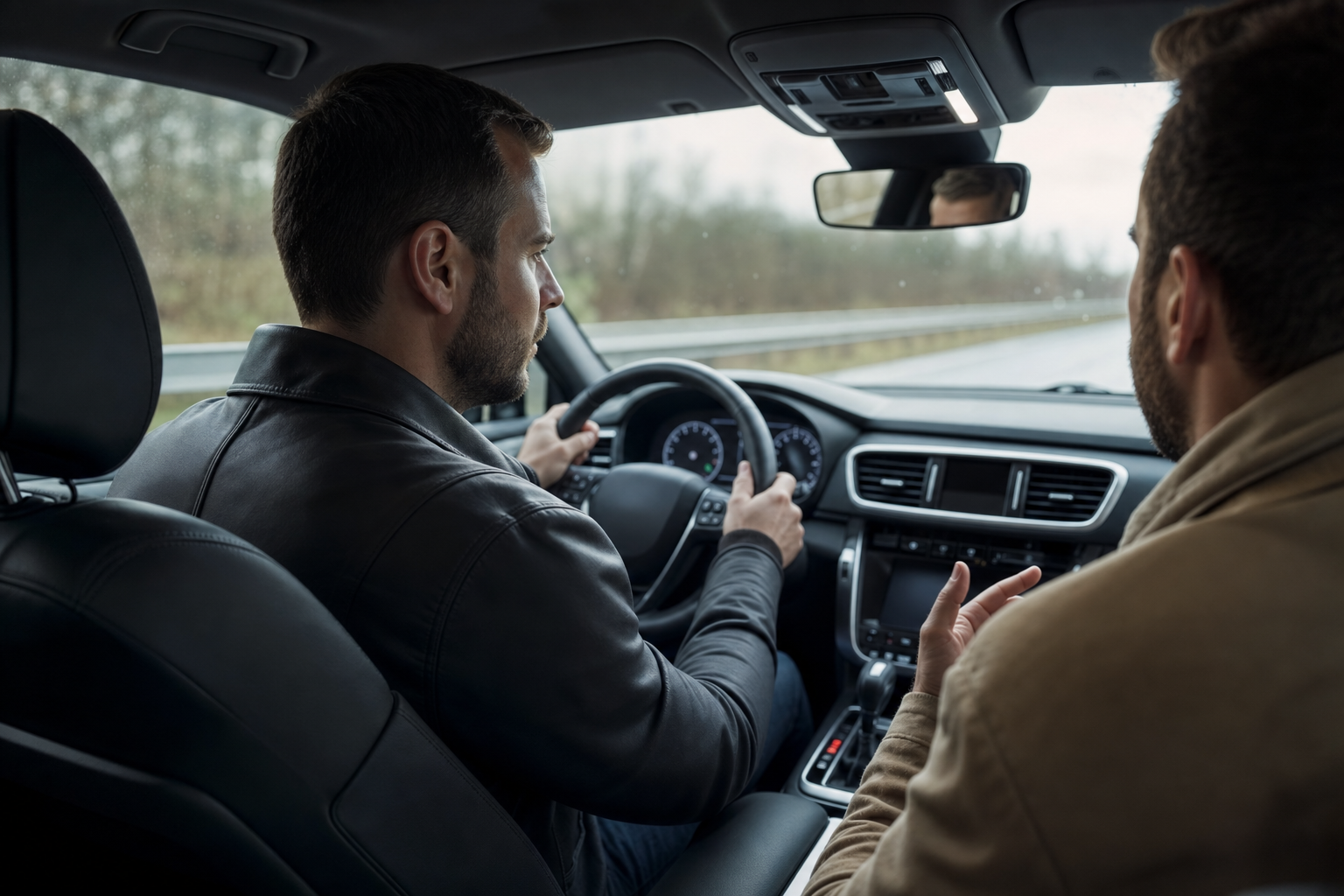
Account for road noise, power and connectivity when choosing audio equipment for a car.

Consider room acoustics, power, access and privacy when planning an authorised office setup.
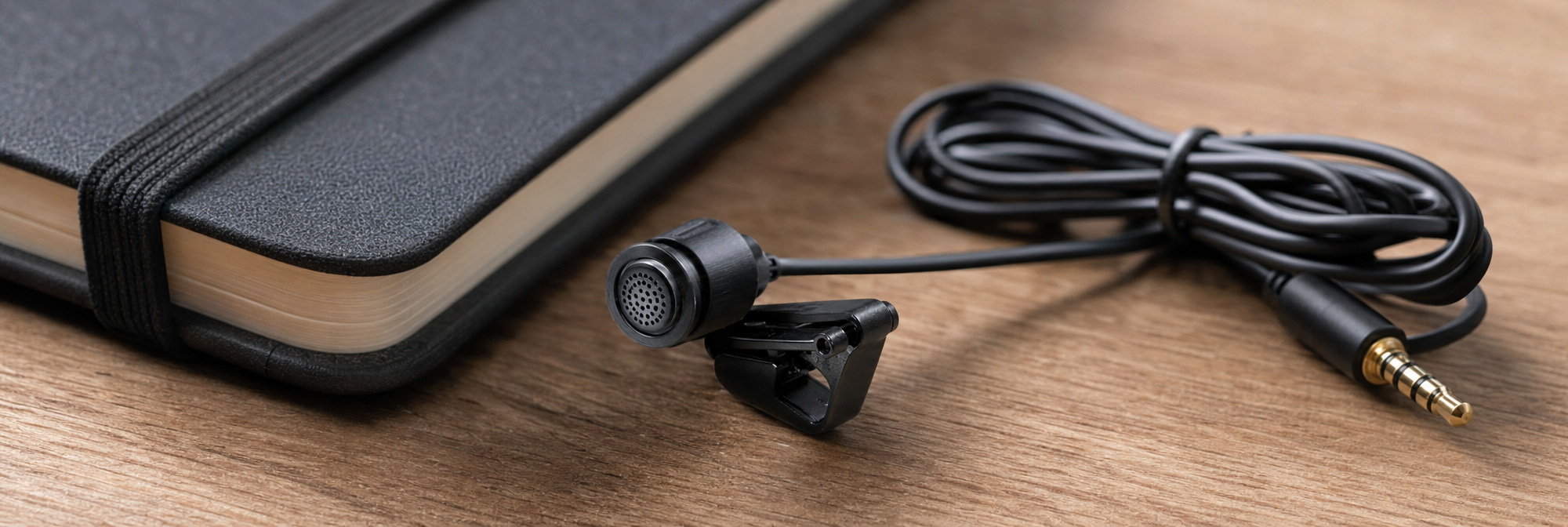
Test placement, speech clarity, connection and file retrieval before relying on a recording.
Explore the UK framework, privacy and official sources, with European and international comparisons.
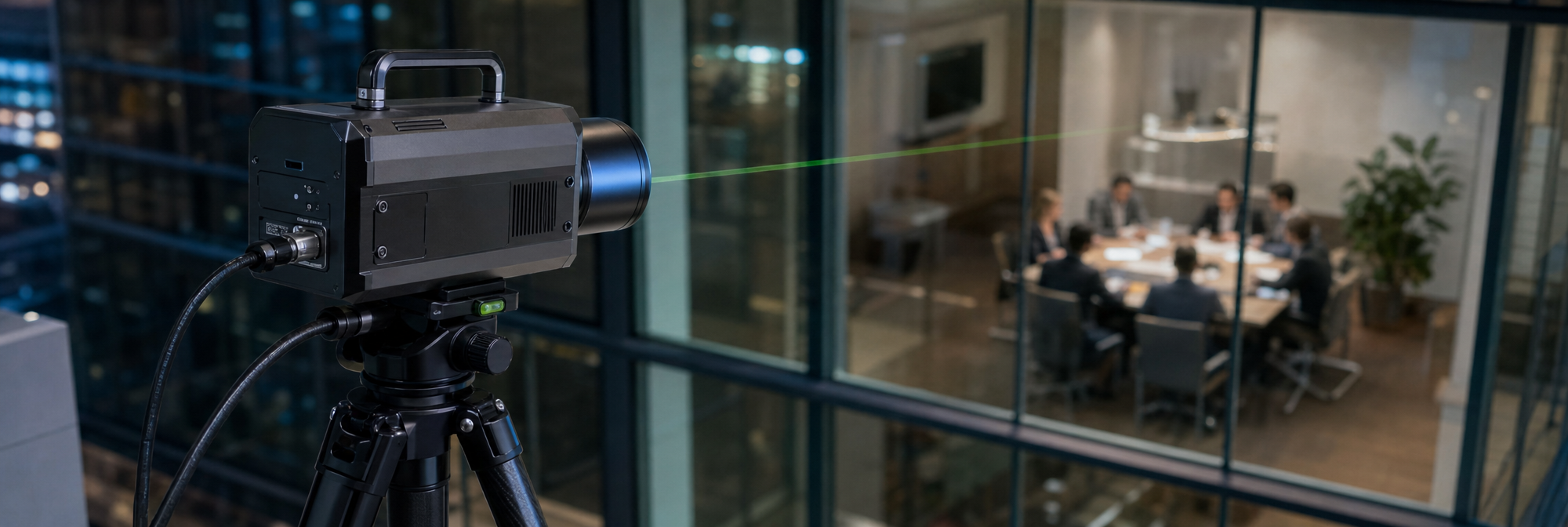
A presentation of a specialist laser microphone format for authorised professional audio work.
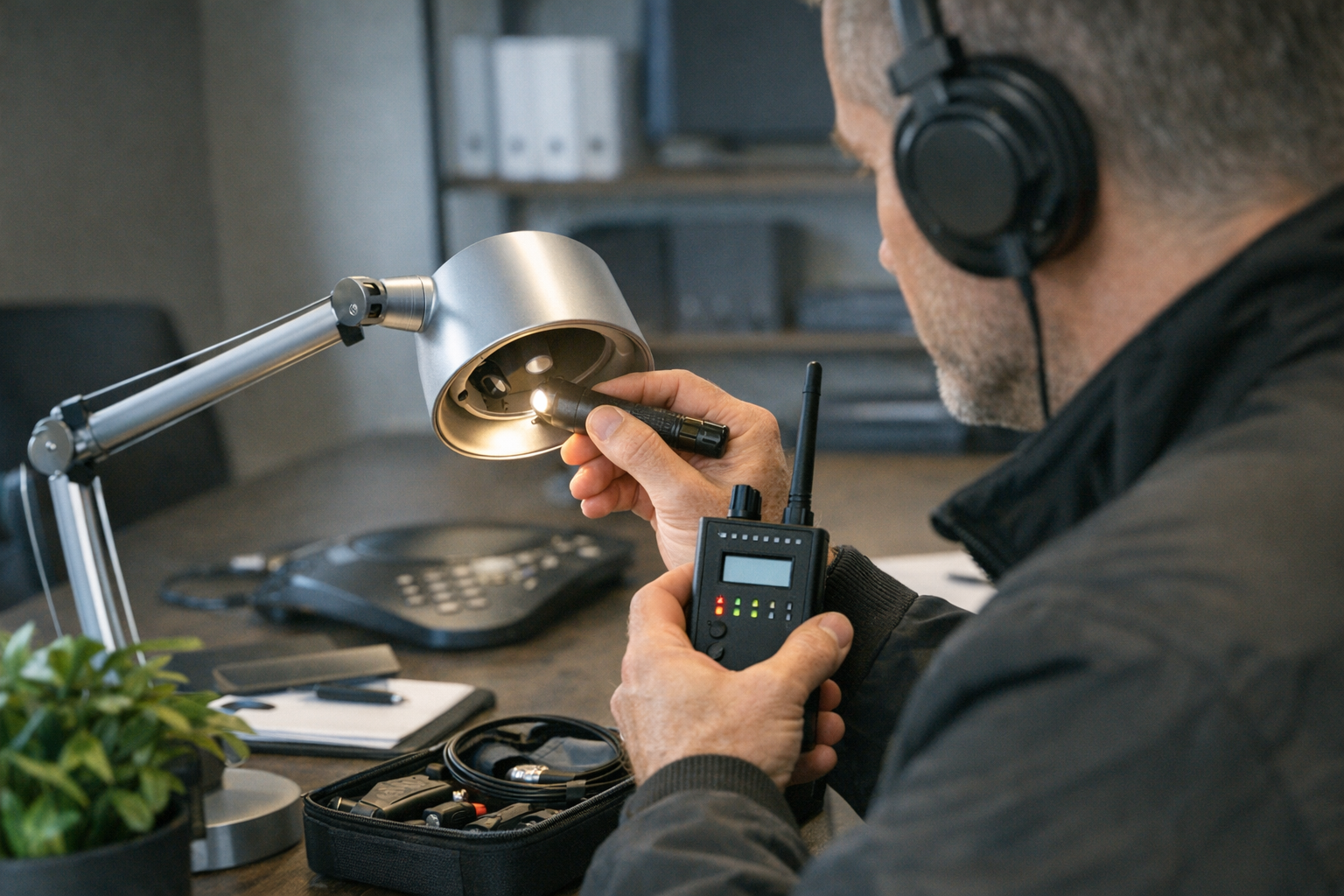
Learn how to detect hidden microphones with practical counter-surveillance methods for homes, offices, cars and rentals.
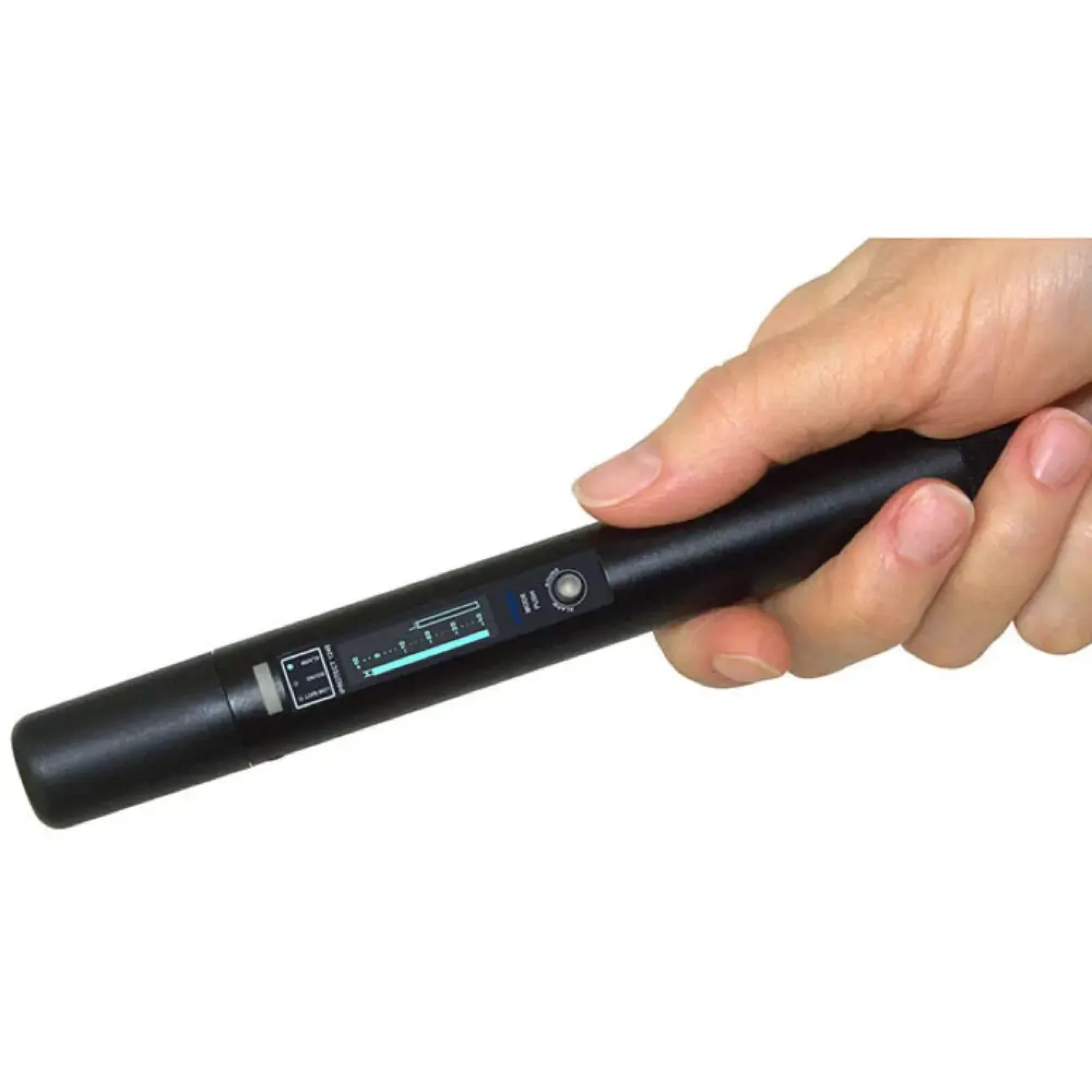
Compare the DigiScan Labs iProtect 1205 New and 1240 RF detectors: frequency ranges, antennas, battery life and practical counter-surveillance uses.
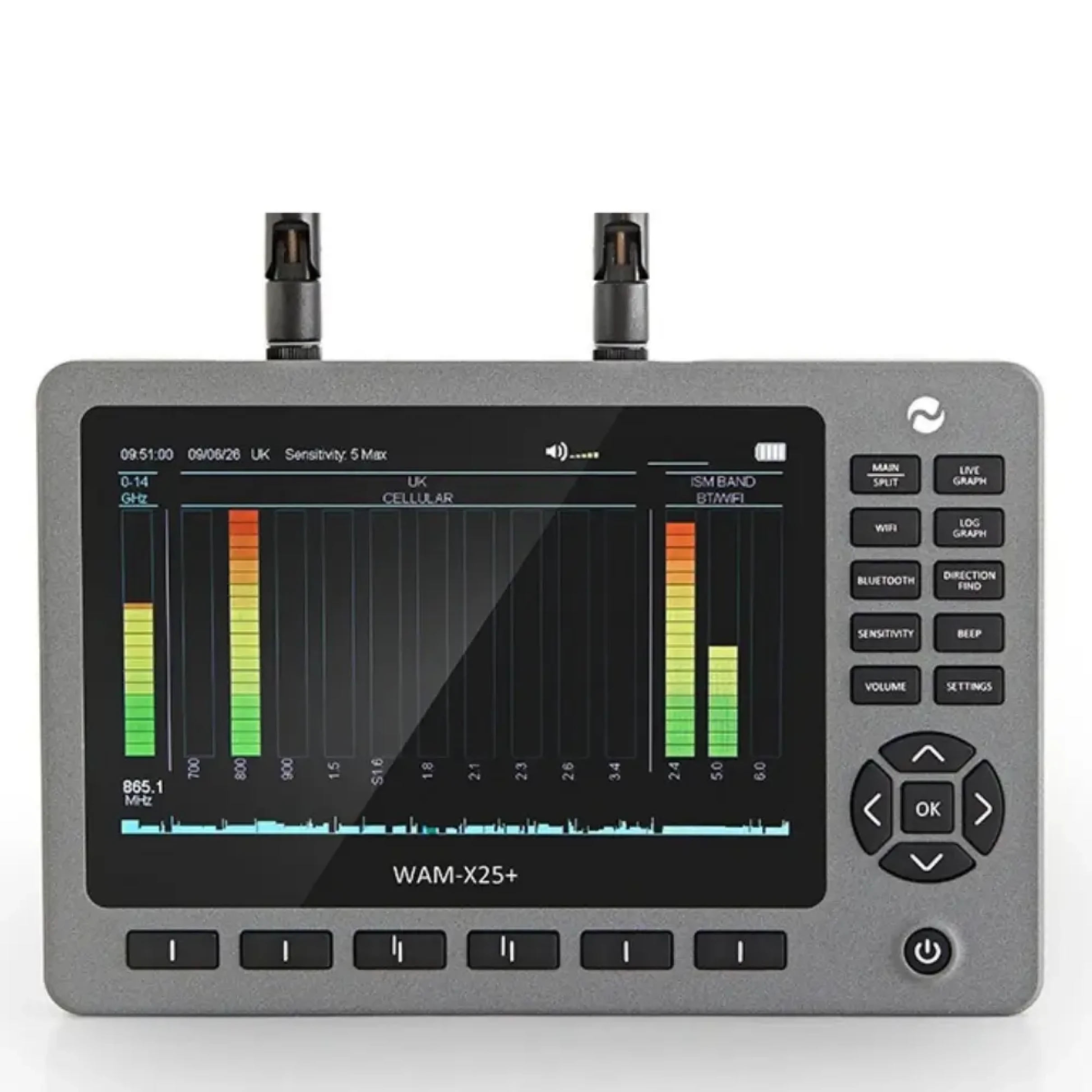
Compare WAM-X10 and X10+, WAM-X25 and X25+, and EDD-24T and 24XT: RF coverage, Wi-Fi, Bluetooth, battery life and inspection ergonomics.
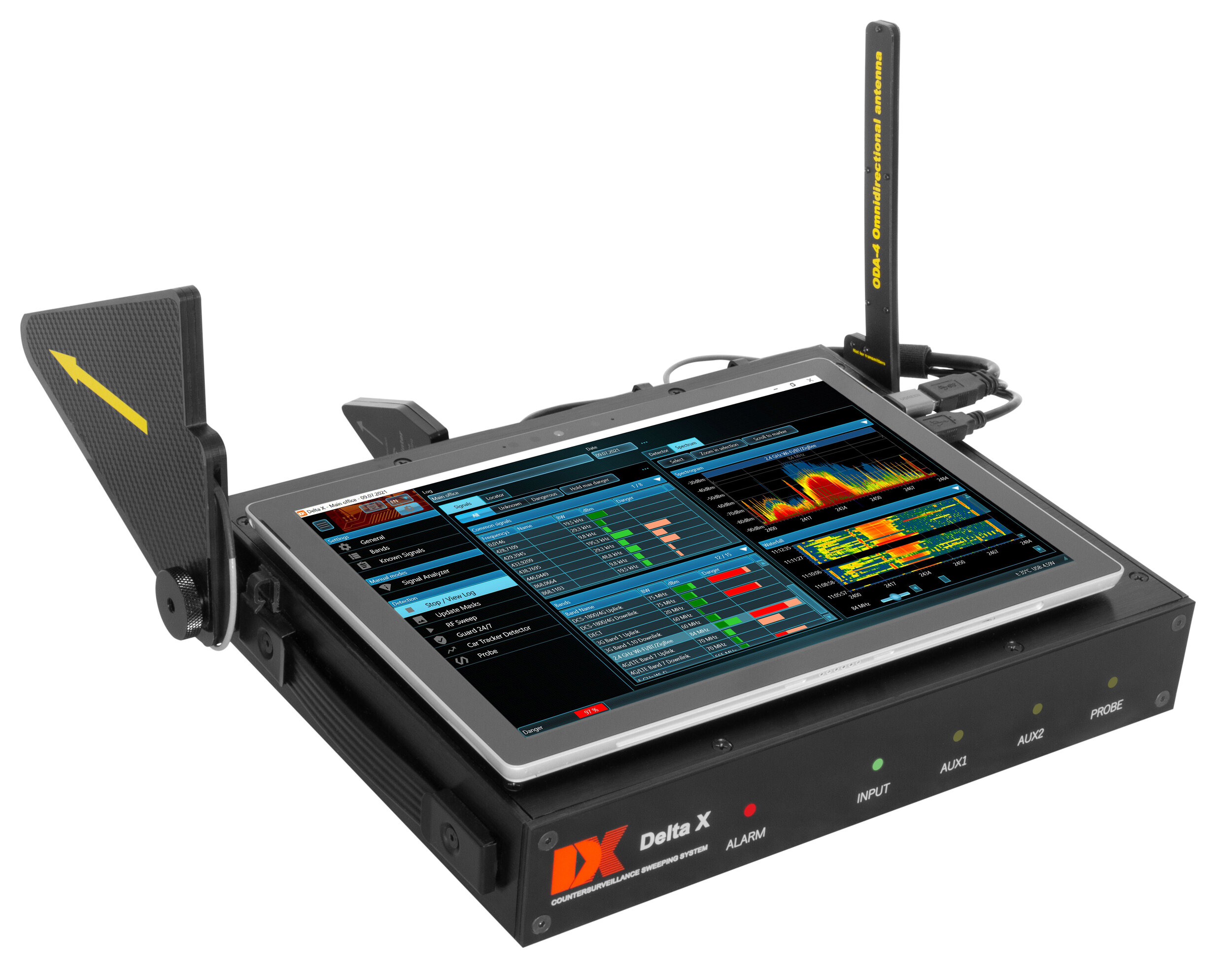
Compare DigiScan Labs Delta S, Delta X G2/6 and G2/12 bug detectors: frequency coverage, probes, RF analysis and advice for your counter-surveillance needs.
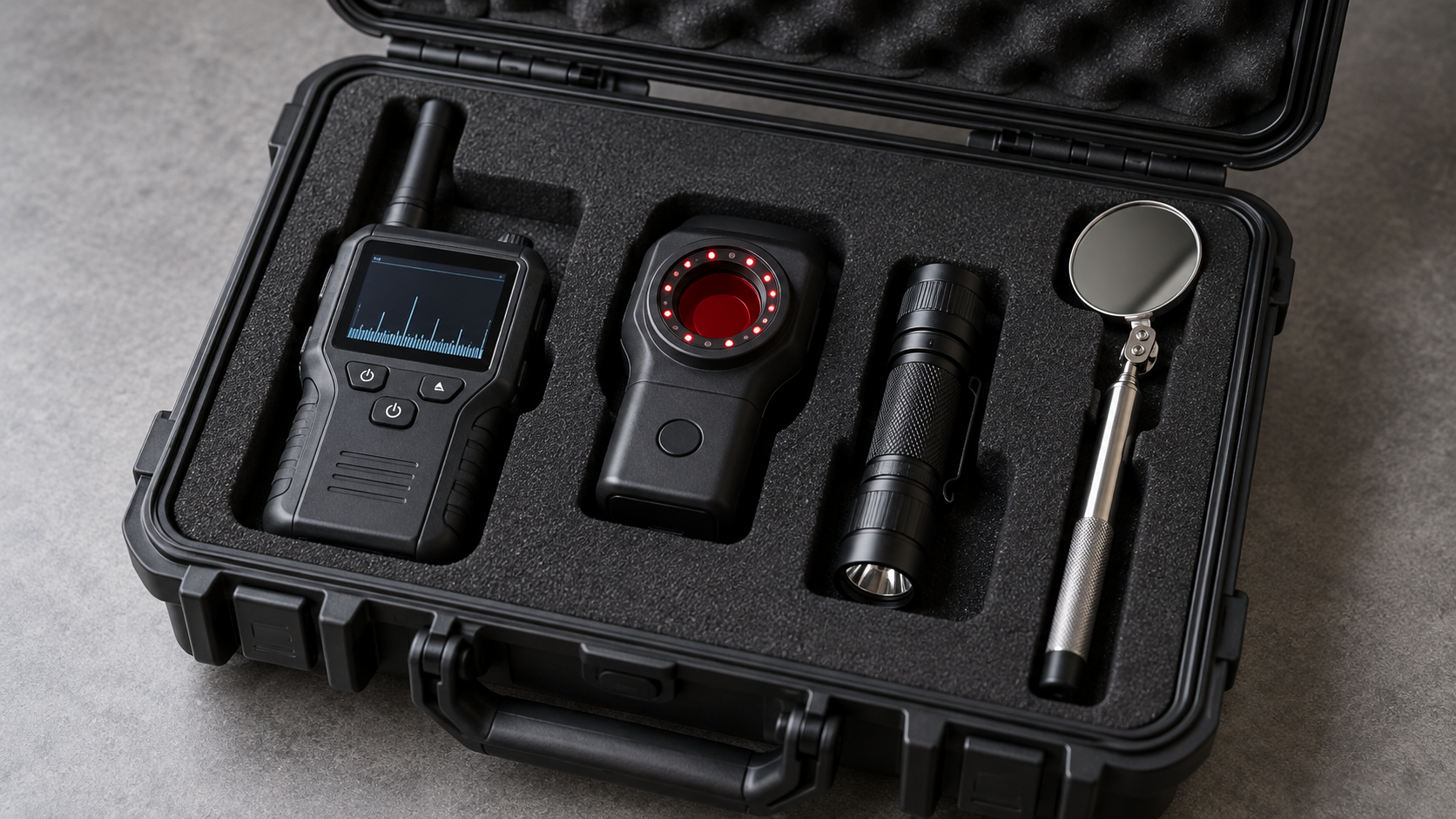
A product presentation of the Basic counter surveillance operational kit: a focused operational format for lawful, structured privacy checks in rooms, offices and controlled assets.
Try a simpler term such as “Wi-Fi”, “battery” or “setup”, or remove a filter.
Already have a device?
The guides explain how to choose and prepare equipment. For the controls and setup of a particular device, visit the user manual section and check the exact model and version.
Understand before choosing
Choosing a spy microphone or hidden audio recorder means relating the sound you need to the room, connection, power supply and length of the session. This library brings the relevant questions together and points you towards a detailed guide for each one. Browse every article or use the search and topic filters to focus on a particular constraint.
Begin with the complete spy microphone guide, then explore the subject that matters most to your project before checking the equipment range. This directory provides a route through the reading; each linked article retains its own purpose and detailed treatment.
A Wi-Fi spy microphone relies on a compatible network and the access services supported by the device. Mobile equipment requires suitable coverage, a SIM and the correct services for its functions. A local audio recorder can keep files for later retrieval without providing remote access. These architectures answer different needs, so start with how you want to access the sound.
The transmission and connectivity guide explains the options. You can then compare Wi-Fi microphones, mobile-network microphones and internal-memory recorders. For older mobile devices, check the network generation and its availability with the intended operator and country. The GSM label alone does not establish which services a particular model can use.
Live listening allows access to sound while it is being captured, where the equipment and connection support it. Recording creates a file for later playback. A device offering one function does not automatically offer the other. Check how the session starts, where files are retained, who has access and how recordings are exported.
The complete spy microphone guide introduces the main audio architectures, listening modes and storage options. Read it alongside the connectivity article and the exact product specifications. Internal memory, a memory card and a cloud service involve different access arrangements, and not every device supports all three. Preparing file retrieval matters just as much as establishing a connection.
Acoustic pickup range concerns the sound reaching the microphone; connection range concerns communication with a network or receiver. A stable connection does not guarantee intelligible speech at a distance. Ventilation, reflections, nearby obstacles and road noise can all affect what you hear. This is why a distance claim needs context and a practical listening check.
Combine the microphone range guide with the buying guide for clear speech. Assess intelligibility before relying on file size, sensitivity or a headline specification. Noise reduction and recording settings should be tested in the intended environment. A stronger processing setting or a larger audio file does not, on its own, establish that words will be clearer.
Real spy microphone battery life depends on the operating mode. Listening, recording, transmitting and standby can place different demands on the power supply. Plan charging, physical access and file capacity together. A device can have energy remaining while its storage is full, or available memory while its battery is depleted.
The battery life guide covers power and recording time, while the audio storage guide explains files, capacity and recording modes. Read both before deciding how long a setup can remain useful. For mains-powered equipment, also check installation conditions and the documented storage behaviour. Battery and capacity estimates should match the actual way the equipment will be used.
A voice-activated recorder can change how sessions are captured, but the label does not tell you exactly how the trigger behaves. Sensitivity, thresholds, delay and the surrounding noise affect what starts a recording and what may be missed. Background noise can also trigger a session when there is no useful speech.
The voice activation guide develops these questions. Follow it with the testing guide to check the beginning and end of spoken phrases, quieter voices and the sound conditions expected during use. Recording mode, battery consumption and storage demand should be considered together. Use settings that you have checked by listening to the result rather than assuming a preset will suit every room.
A quiet room, an office with ventilation and a moving vehicle create different acoustic and power constraints. Define an authorised use, the people involved and the sound you need before choosing a format. Visual appearance alone does not establish audio performance or make a proposed use permissible.
Read the car microphone guide, the office microphone guide and the guide to choosing for each scenario. These articles help connect location with practical equipment criteria. You can then compare hidden microphones, checking the microphone placement, power supply and supported functions of each reference. A change of room or mounting position can change the result enough to justify a fresh audio test.
Before relying on a recording, run an audio test in the intended location. Check speech clarity, connection stability, power, timestamps and the ability to retrieve and play the file. Where an app is involved, also review permissions, shared access and account protection. Keep exported copies under the access arrangements planned for the project.
The microphone testing guide brings these checks together. Use it with the device instructions, because settings from a local recorder cannot simply be applied to a Wi-Fi or mobile model. Repeat the listening check after changes to placement, furniture, background noise or connection conditions. The aim is to verify the complete route from capture to usable playback.
Identify the country, context and people involved before using audio equipment. Capturing sound, remote listening and using or sharing a file can raise different questions. A product being available for sale does not, on its own, establish whether a particular use is allowed.
Our spy microphone laws guide starts with the United Kingdom and links to authoritative references, followed by European and international comparisons. Use that article to locate sources relevant to the circumstances. If you travel or operate across borders, revisit the applicable framework rather than treating one country’s rules as universal. Sensitive or disputed situations call for advice based on the actual facts.
The hidden microphone detection articles complement the equipment guides by exploring protection and counter-surveillance. Radio analysis and a physical inspection address different situations. A locally recording device may not transmit, so the absence of a detected signal is not a general assurance that a room contains no recorder.
Use the Detection filter for the relevant English blog articles, including the practical microphone detection guide and equipment comparisons. Product presentations retain their publication dates and should be read with current specifications. This library helps you find the appropriate starting point; the linked articles explain the methods, scope and limits in more detail.
Your questions
Start with the complete guide, then explore your main constraint: connection, audio quality, battery life, storage, location or setup. The interactive selector can help you narrow down the equipment range afterwards.
Choose the Connectivity filter. The transmission guide explains local recording, mobile networks, Wi-Fi and live listening, while the complete guide provides the wider context.
Read the acoustic range and buying guides together, then use the testing guide to check the result in the intended location. Acoustic pickup and connection range are separate limits.
The Battery and storage filter brings together power and file capacity. The Audio quality filter includes the voice activation guide and the range article.
Yes. The English laws guide starts with the UK framework and includes authoritative references, followed by European and international comparisons.
The directory helps you find articles by subject. The complete guide develops the criteria for choosing equipment. A manual explains the controls and settings of a specific model.
From reading to choosing
Compare formats and functions in the range, or use the selector to narrow down your search.


