
4G GPS and mobile networks
A 4G LTE GPS tracker may calculate its position from satellites and transmit information through mobile service when coverage, SIM and platform access are available.
Find the right equipment for your requirements
Looking for a 4G GPS tracker for a car, an OBD vehicle tracker, a long-life portable GPS unit or a Bluetooth item finder without a cellular subscription? Our interactive guide separates true remote cellular tracking from Bluetooth-based item finding.
6 guided questions · No registration · Up to 15 tailored suggestions
01 / Interactive questionnaire
Answer a few straightforward questions. Every step explains why the criterion matters so you can compare products with more confidence.
Select Get started to see the first question.
02 / Equipment selection
A varied starting selection is displayed below. Complete the questionnaire to see items ranked against your chosen criteria.
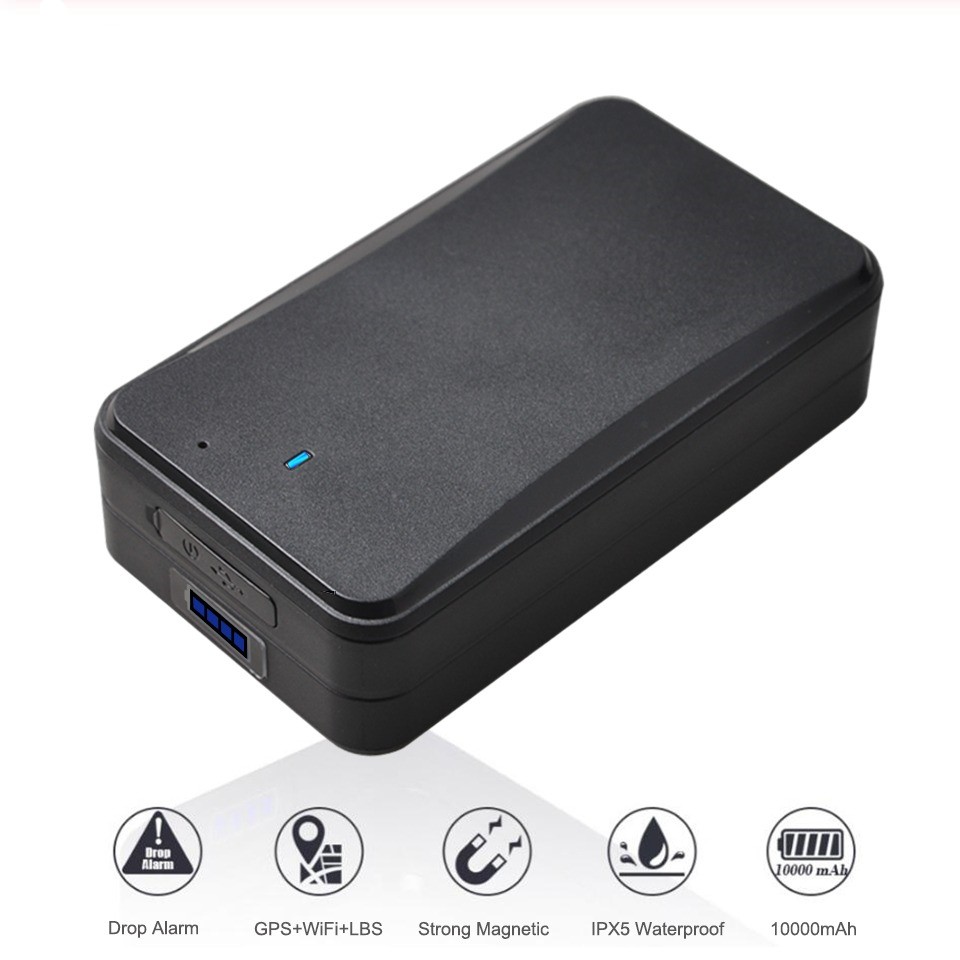 GSM / 2G: check the networkProfessional GPS Tracker with Long Battery Life and Spy MicrophoneFrom €209.90See product details ↗
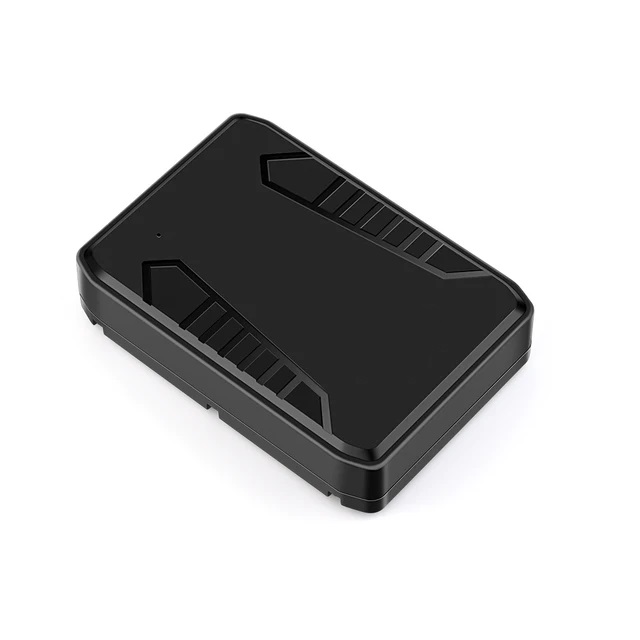 4G LTE connectivityEchoSpy 10 – 4G LTE Magnetic GPS Tracker with Spy MicrophoneFrom €174.90See product details ↗
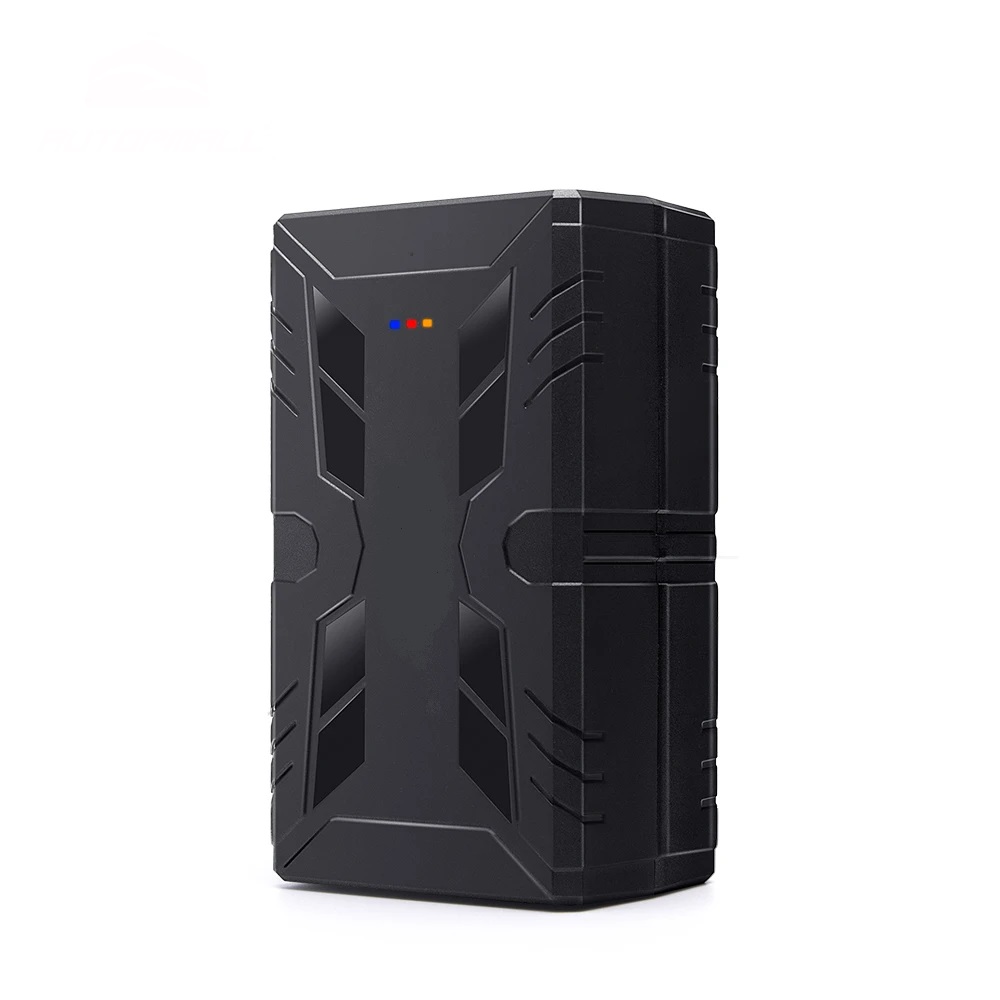 4G LTE connectivityEchoSpy 20 – 4G LTE GPS Tracker with Spy MicrophoneFrom €219.90See product details ↗
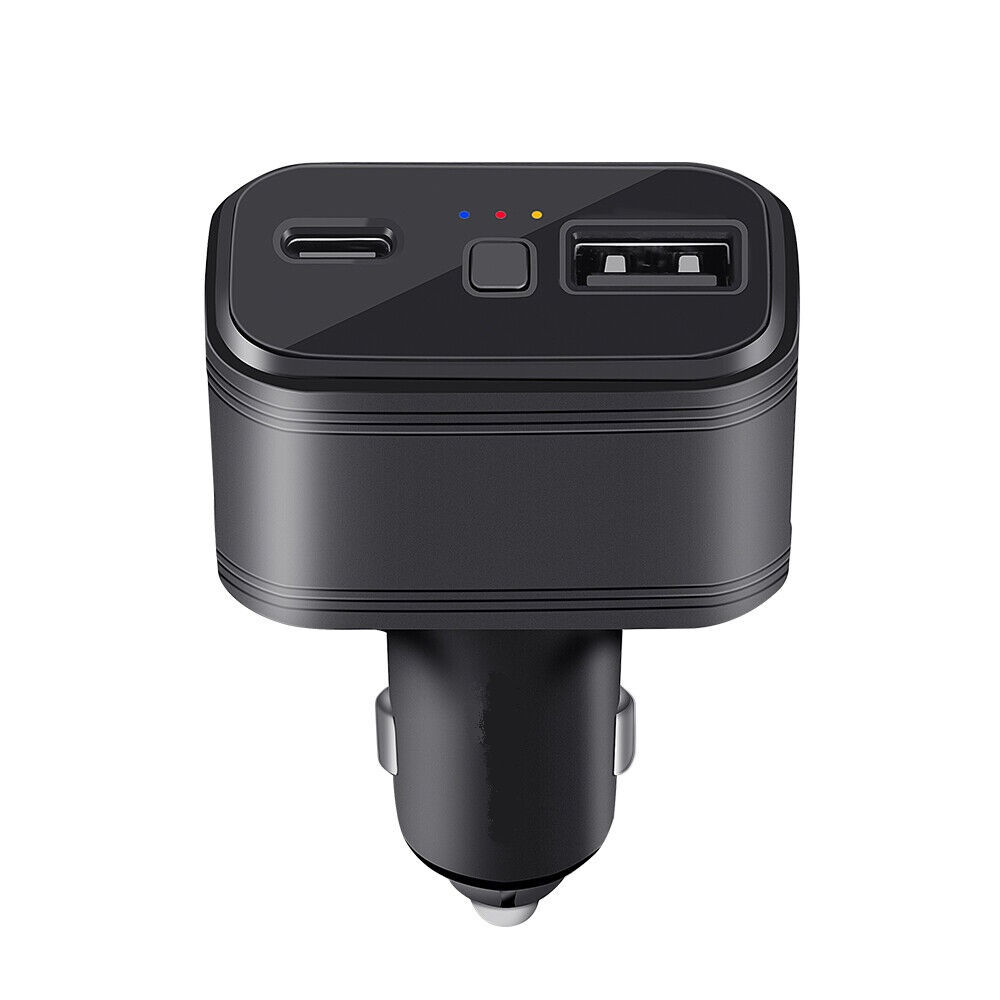 4G LTE connectivityGPS Spy Tracker USB Car Charger 4GFrom €104.90See product details ↗
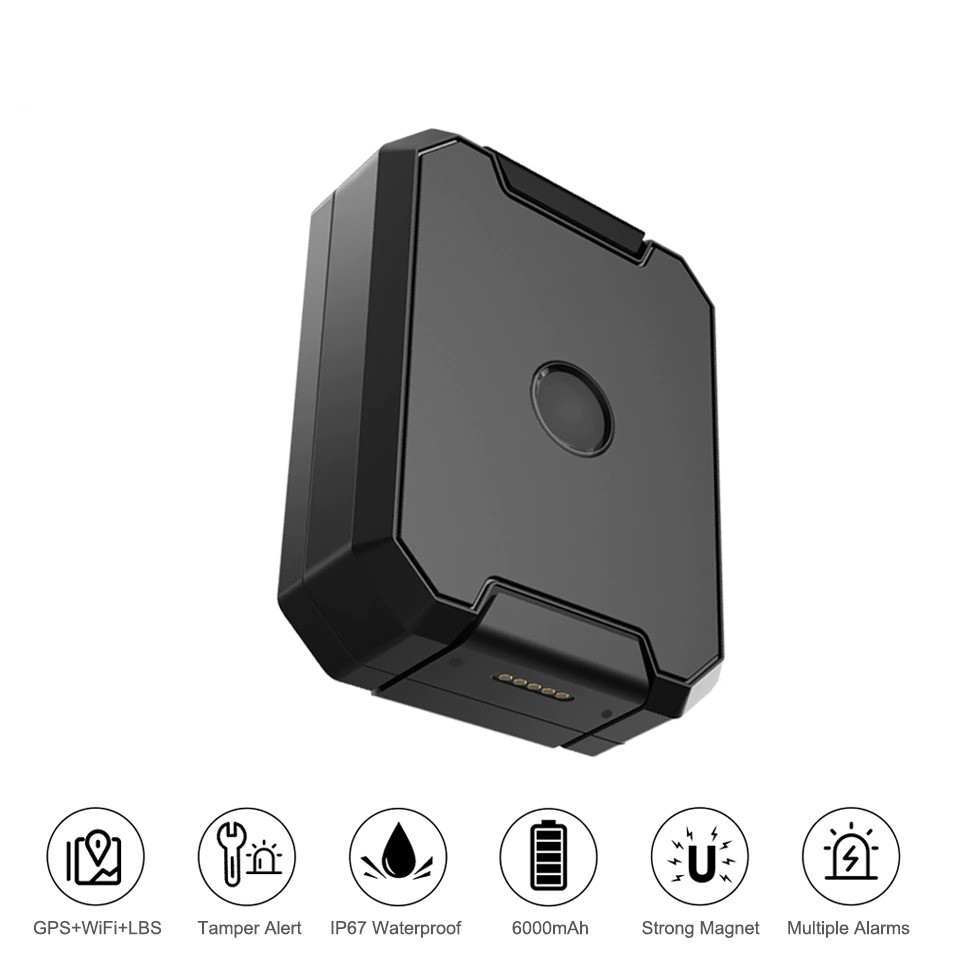 GSM / 2G: check the networkGSM GPS Tracker with Spy MicrophoneFrom €250.90See product details ↗
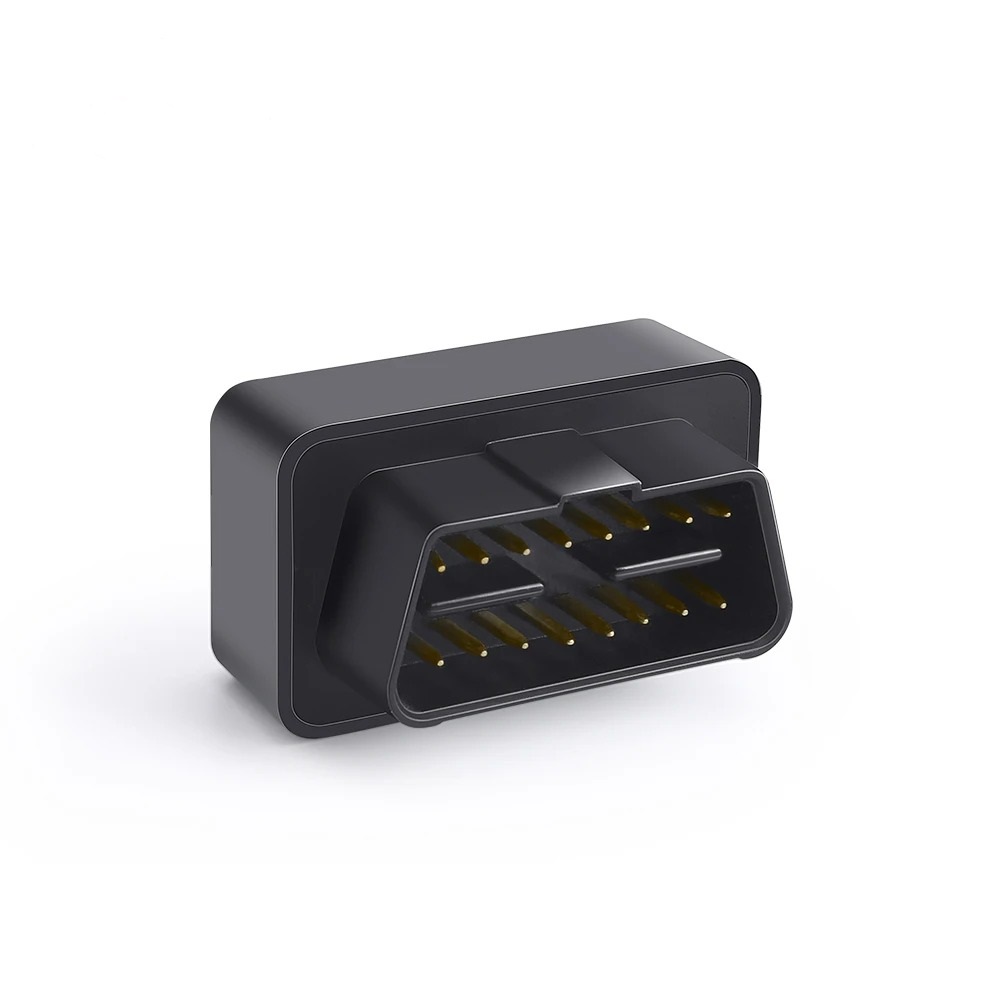 GSM / 2G: check the network2G GSM OBD GPS Tracker with MicrophoneFrom €104.90See product details ↗
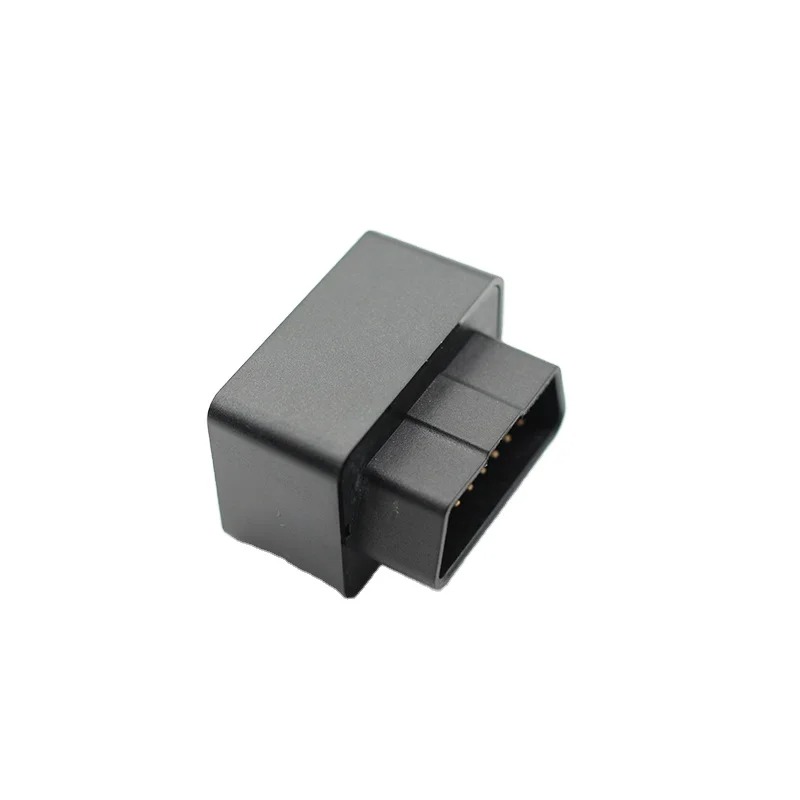 4G LTE connectivity4G OBD GPS Tracker with MicrophoneFrom €139.90See product details ↗
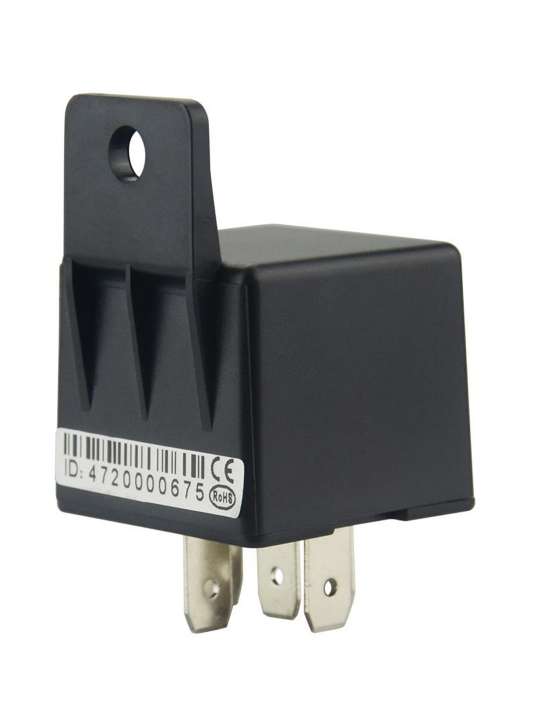 GSM / 2G: check the networkRelay 2G GSM GPS Tracker – Remote Vehicle Surveillance & ControlFrom €107.90See product details ↗
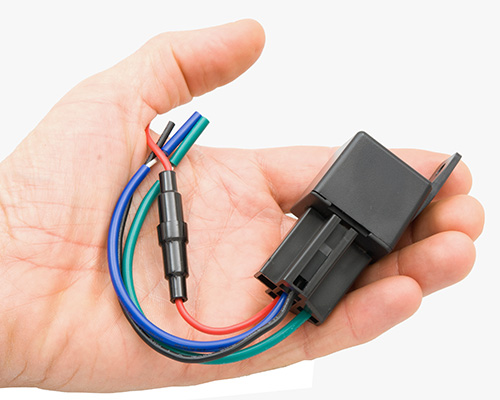 4G LTE connectivity4G LTE Relay GPS TrackerFrom €134.90See product details ↗
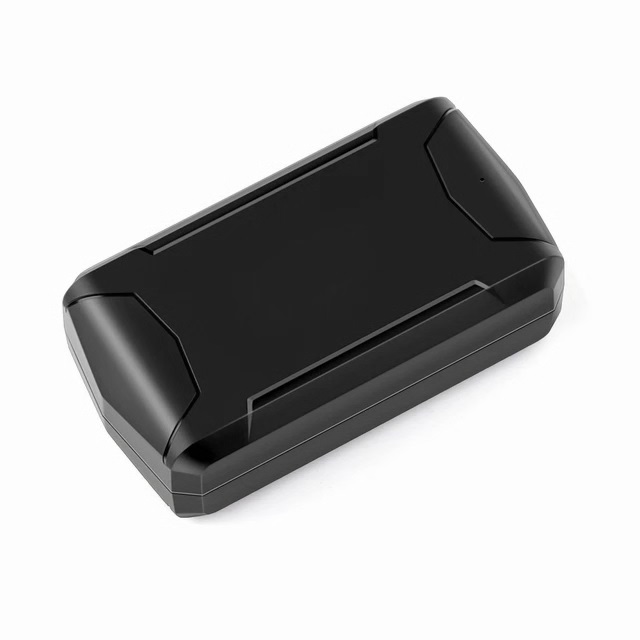 GSM / 2G: check the networkEchoSpy 5 GPS Tracker – Precision Tracking, Discreet SurveillanceFrom €139.90See product details ↗
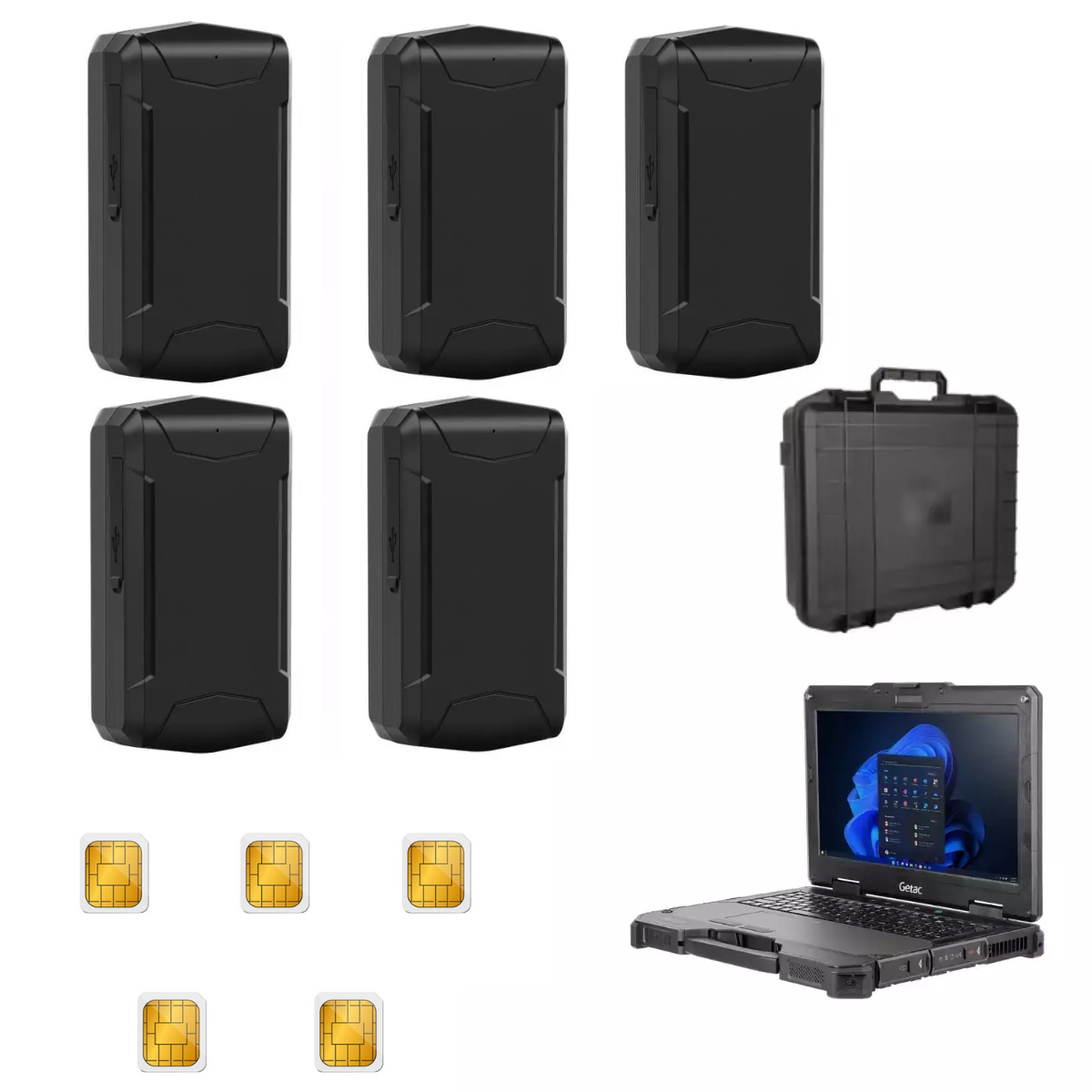 4G LTE connectivity4G GPS Tracker Operational PackFrom €1,895.60See product details ↗
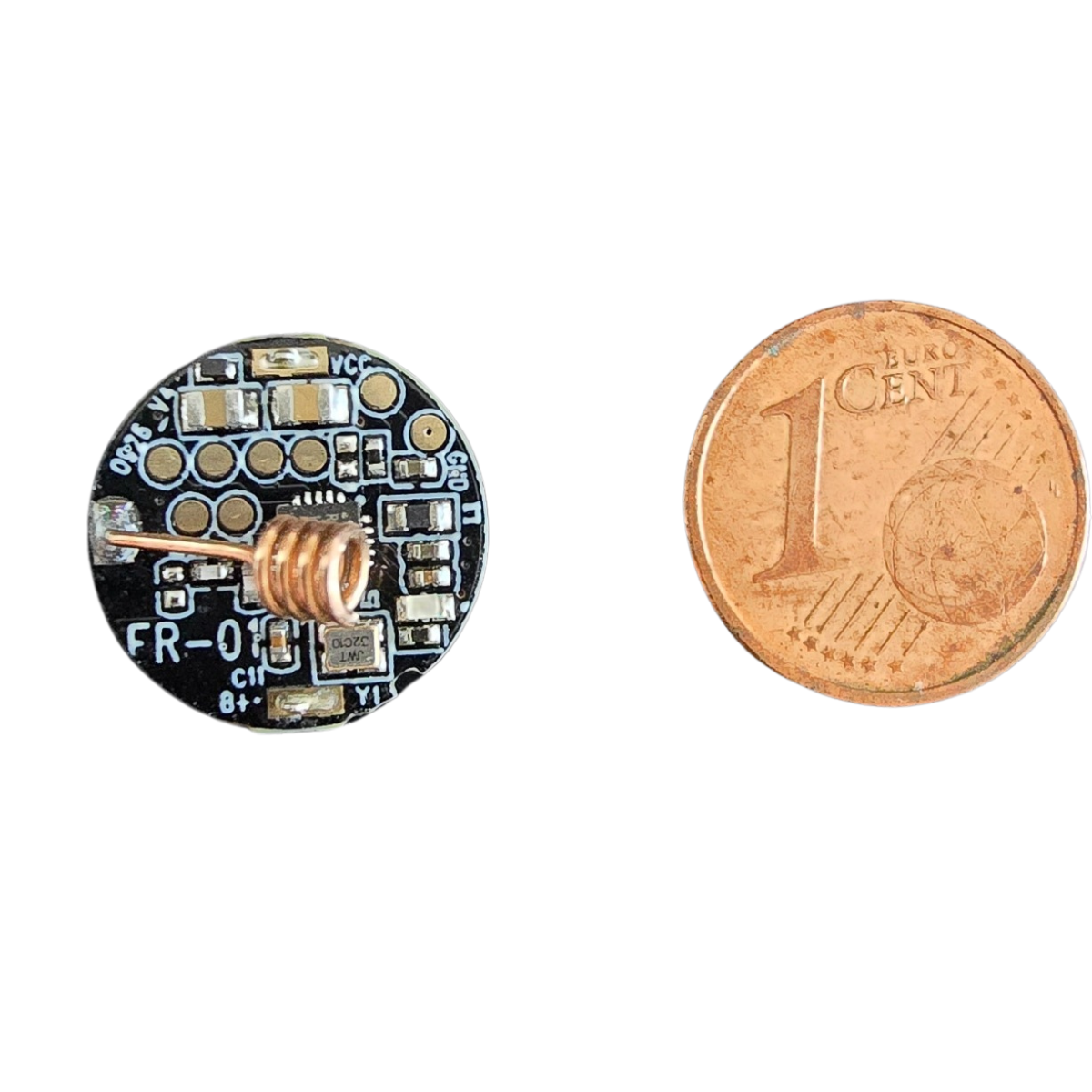 Bluetooth locationNano-FR01 Miniature Bluetooth Tracker, No SubscriptionFrom €124.90See product details ↗
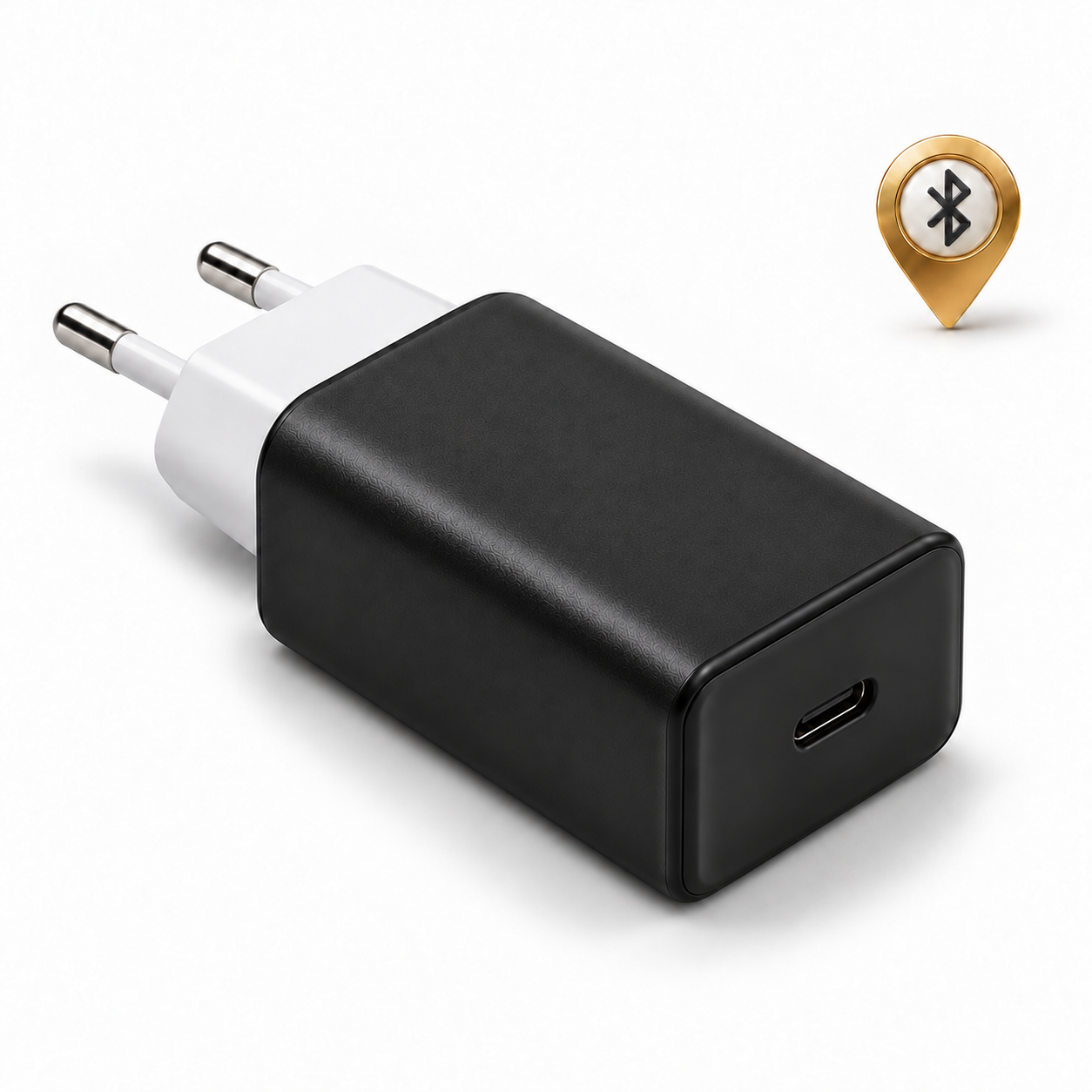 Bluetooth locationUSB-C Wall Charger with Hidden Bluetooth TrackerFrom €179.90See product details ↗
Important: The suggested categories and prices are indicative. Check exact model features, compatibility, available variants and current stock on each linked product page. Prices shown in this guide are snapshots and do not update automatically.
03 / Understand the technologies
The most useful purchase starts with understanding what each device can and cannot do.
A 4G LTE GPS tracker may calculate its position from satellites and transmit information through mobile service when coverage, SIM and platform access are available.
A vehicle GPS tracker can use a compatible OBD diagnostic port, power socket, wired installation or its own battery. Some car power outlets are not active when the ignition is off.
A Bluetooth item finder may rely on nearby phones or compatible crowd-finding networks. It is not automatically a satellite GPS tracker with continuous remote access.
Looking for a 4G GPS tracker for a car, an OBD vehicle tracker, a long-life portable GPS unit or a Bluetooth item finder without a cellular subscription? Our interactive guide separates true remote cellular tracking from Bluetooth-based item finding. The ideal device depends on the environment, how its output is accessed and the constraints of the task. Choose only the functions you really need and check specifications rather than relying on broad marketing claims.
Look beyond the initial price: connectivity, compatible software, power supply, storage, network service, installation and product variants may all affect the final choice. A professional or miniature device may need additional setup to perform reliably.
Technology has environmental and operational limits. Test your equipment under appropriate conditions, do not assume an unsupported capability, and follow local laws concerning privacy, security and device use.
04 / Frequently asked questions
Our explanations help you distinguish the main technologies and avoid common mistakes.
No. Bluetooth tags may rely on compatible phones and do not necessarily have a satellite GPS receiver.
A compatible cellular GPS tracker can transmit remotely using a SIM and coverage, subject to its functions and service.
Cellular models usually require mobile service; Bluetooth products may avoid a separate cellular plan but have different limitations.
A model connecting to a compatible diagnostic socket in a vehicle.
No if its radio is 2G-only. Check operator support before ordering.
The reporting interval, radio use, environmental conditions and device battery all affect duration.
Satellite reception may be poor indoors, in tunnels or in covered garages.
Tracking must comply with the applicable law and privacy rules, including any relevant consent or lawful authority.


