
Your starting point
The complete counter-surveillance guide
Inspection methods, equipment families, detection limits and information protection: a structured starting point for your reading.
Read the article →The guide library · Europe Connection
Understand the risks. Compare the tools. Prepare an inspection suited to your situation.
Explore our counter-surveillance equipment and find practical guides, comparisons and blog articles here. RF detectors, NLJDs, hidden cameras, vehicles, confidential meetings and digital protection: go straight to the subject you need.
Your starting point
Inspection methods, equipment families, detection limits and information protection: a structured starting point for your reading.
Read the article →Start with the complete guide, then choose a specialist article for your location and the information you need to protect.
Search for hidden camera, bug, GPS tracker, RF, NLJD, hotel, vehicle or meeting room.
Read the legal guide, establish the relevant permissions and understand each method's limits. Different tools answer different questions.
The counter-surveillance library
Practical guides and blog articles organised by subject. Publication dates help put older discussions and comparisons in context.
RF detectors, NLJD, hotels, Airbnb and work vehicles: legal examples, investigation boundaries and official UK sources for counter-surveillance.
Understand counter-surveillance for homes, vehicles and businesses: RF detectors, NLJD, cyber risks, inspection limits and Intellis Conseil fees excluding VAT.
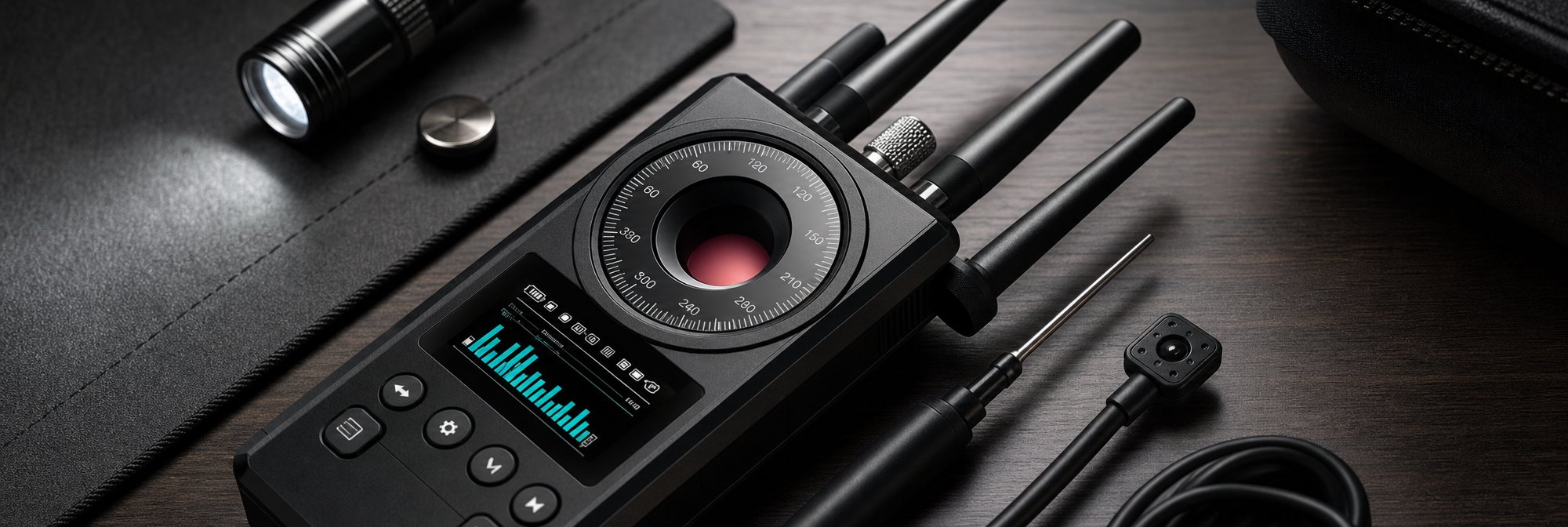
Learn how to detect passive, wired, dormant and intermittent surveillance devices with a layered counter-surveillance process combining physical inspection, RF checks, optics and electronics detection.
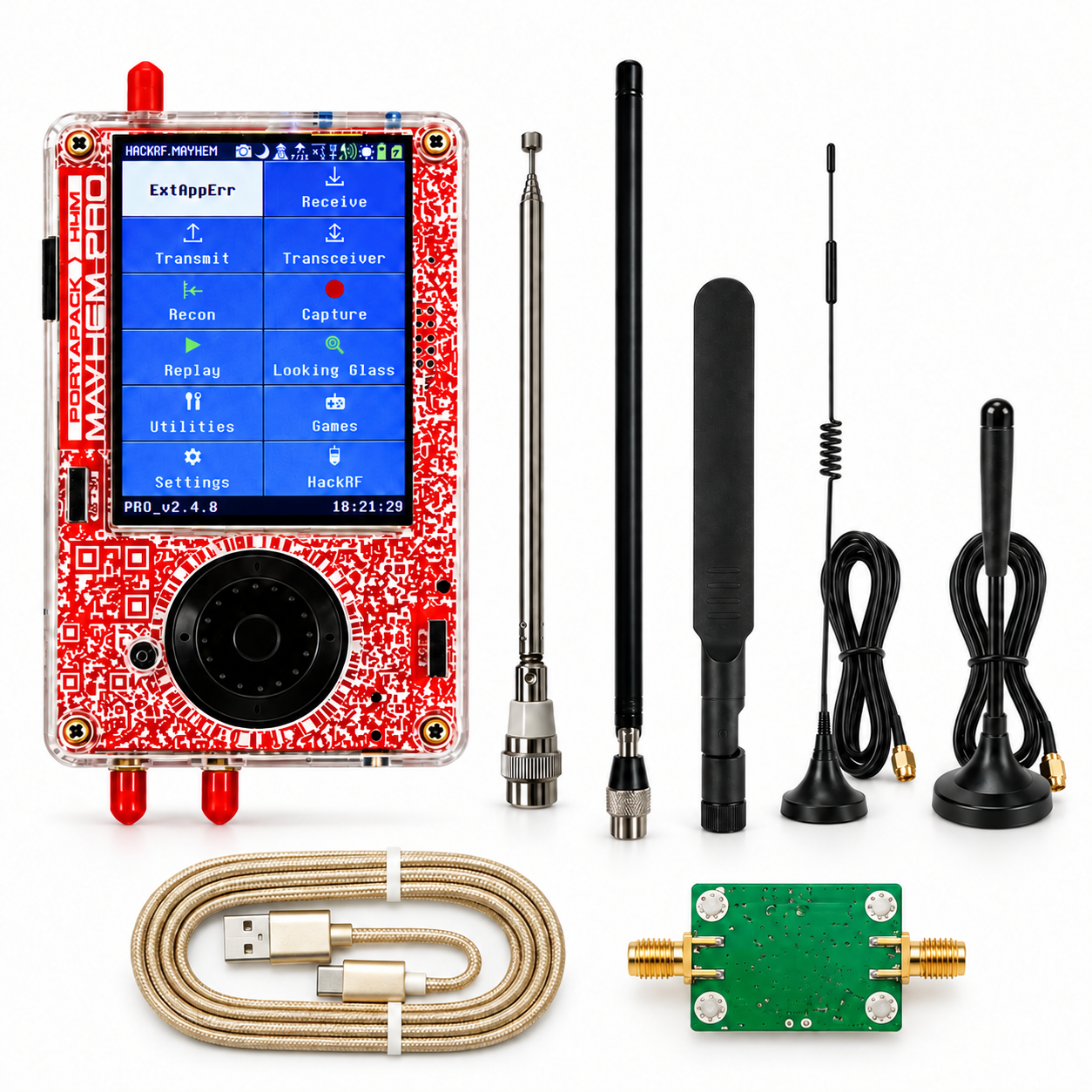
Compare HackRF Pro and HackRF One: frequency range, TCXO, PortaPack and Mayhem. Practical uses, limitations and advice for choosing your SDR kit.
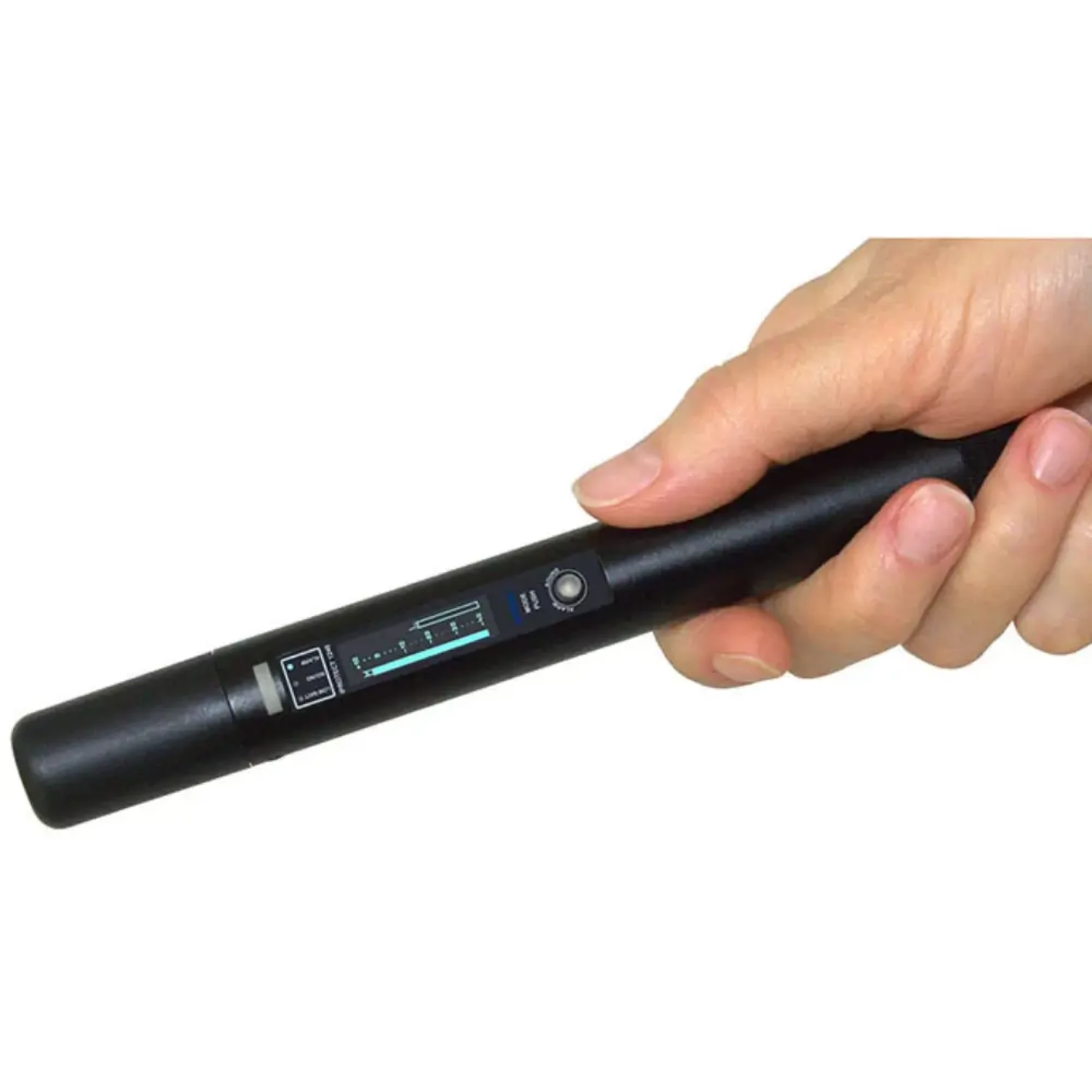
Compare the DigiScan Labs iProtect 1205 New and 1240 RF detectors: frequency ranges, antennas, battery life and practical counter-surveillance uses.
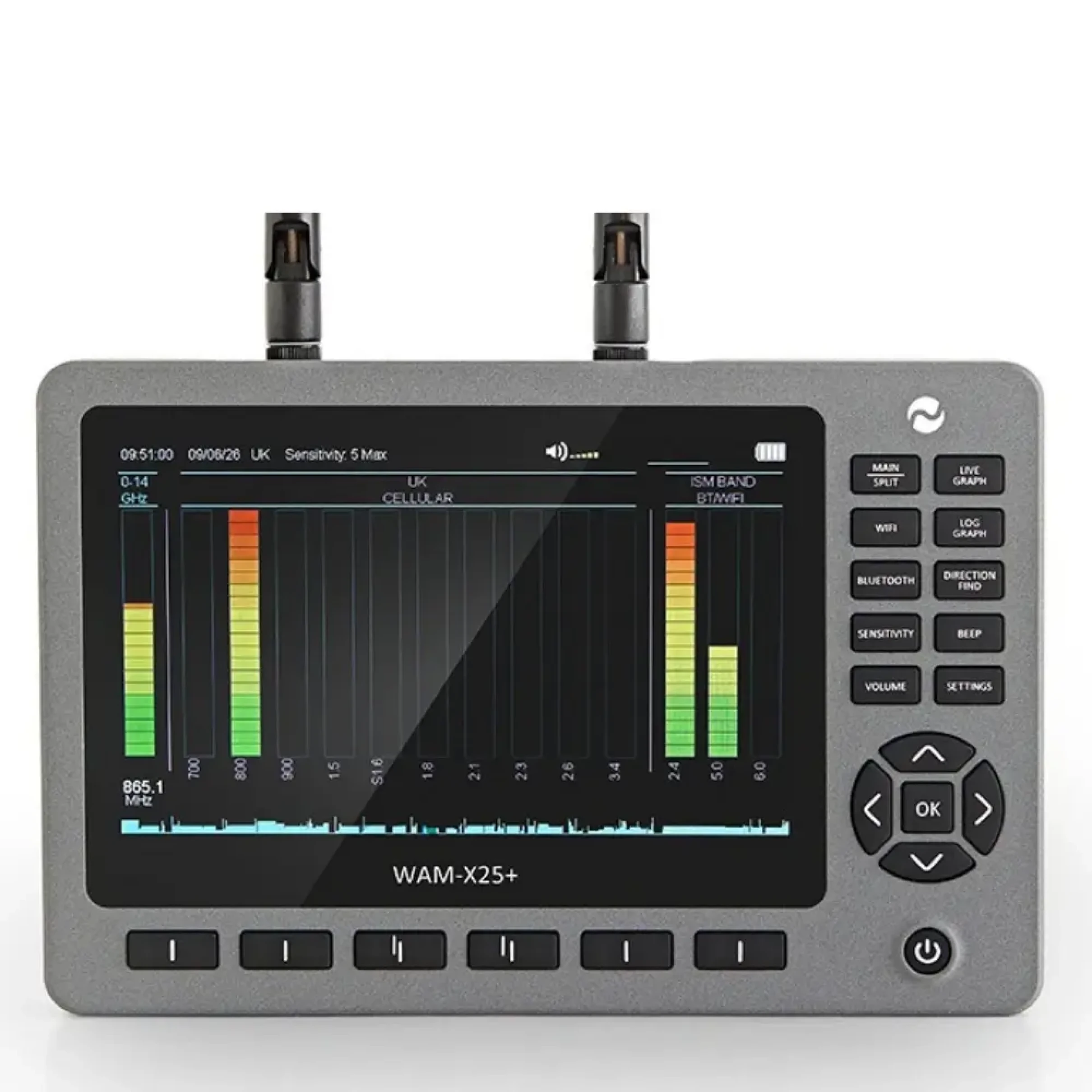
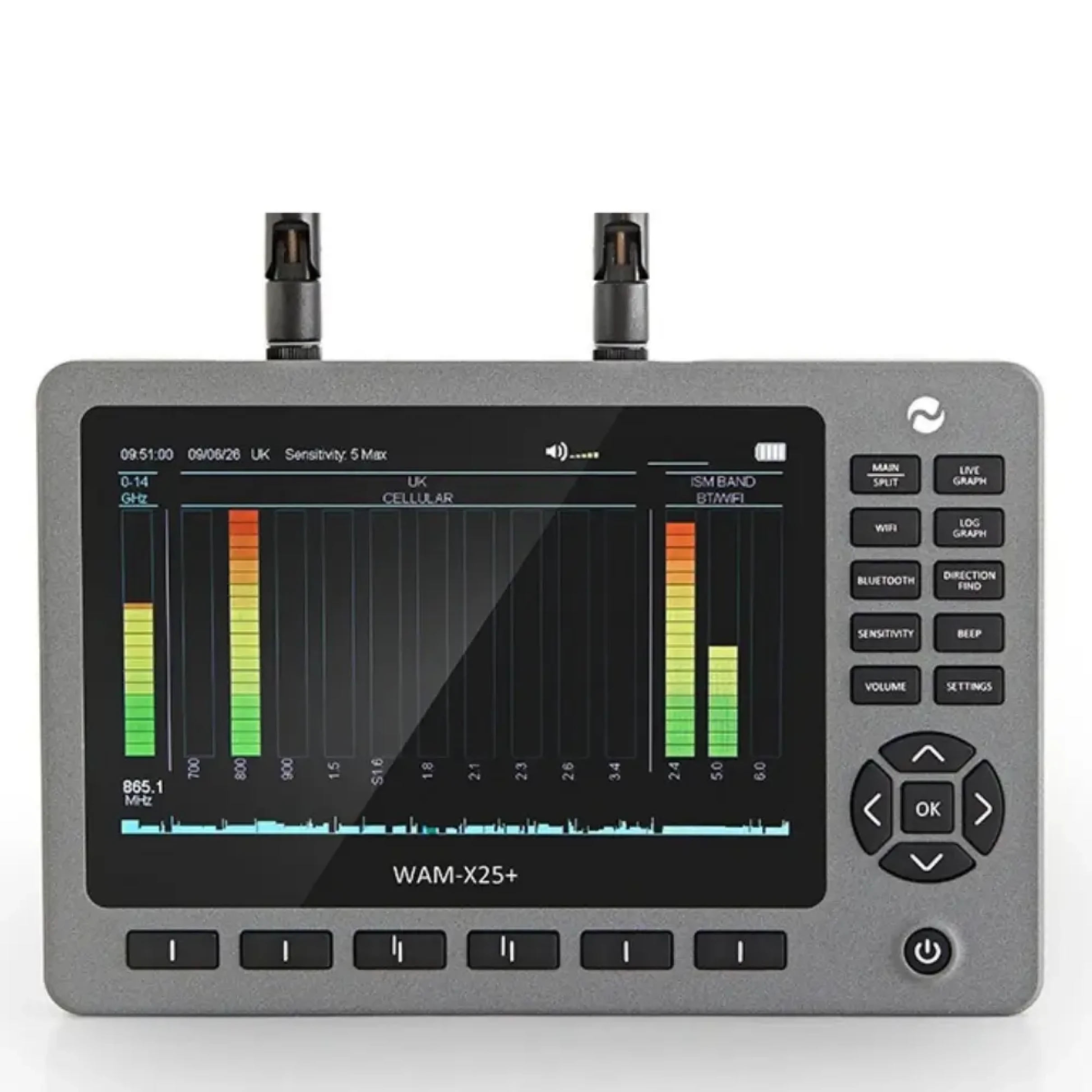
Compare WAM-X10 and X10+, WAM-X25 and X25+, and EDD-24T and 24XT: RF coverage, Wi-Fi, Bluetooth, battery life and inspection ergonomics.
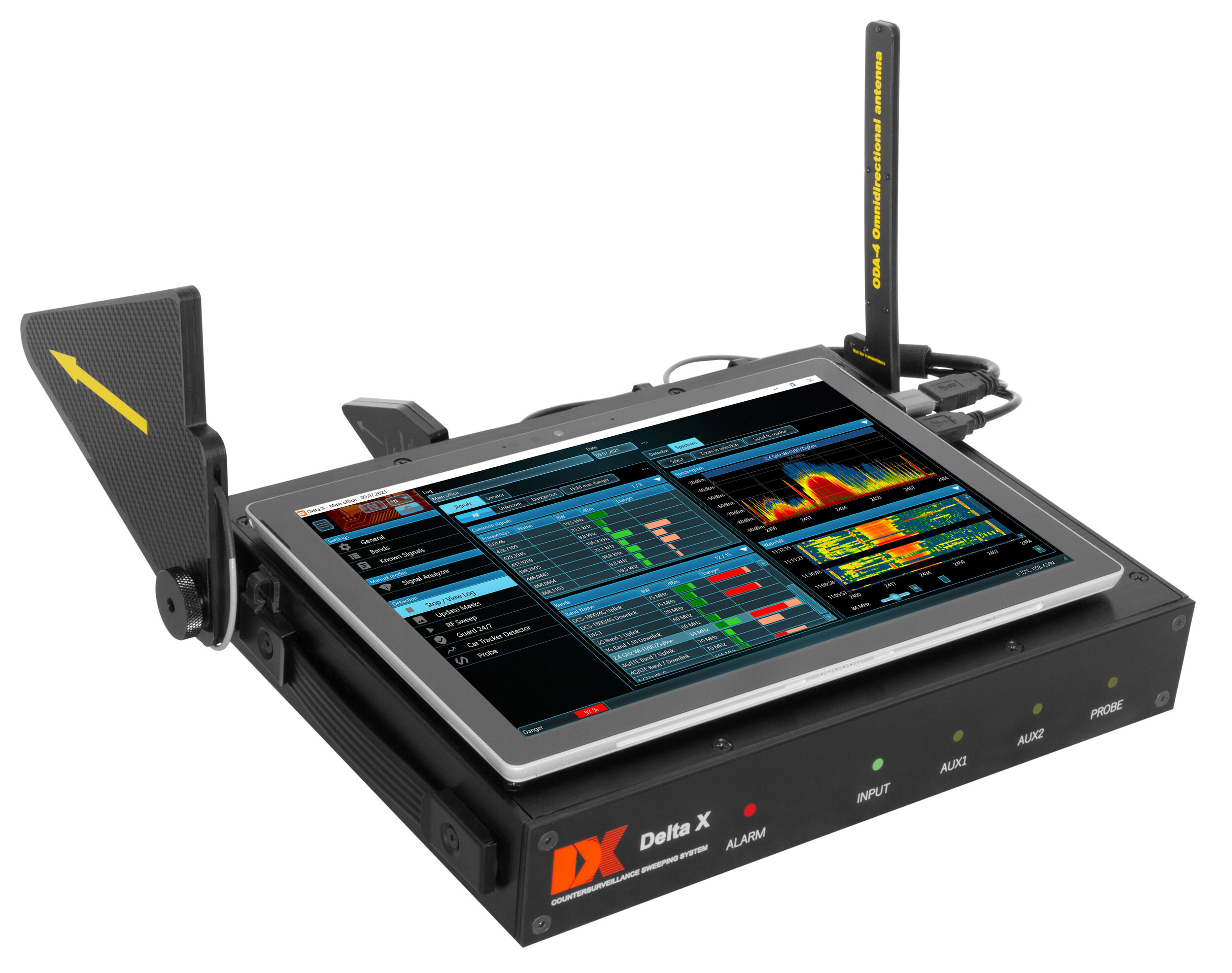
Compare DigiScan Labs Delta S, Delta X G2/6 and G2/12 bug detectors: frequency coverage, probes, RF analysis and advice for your counter-surveillance needs.
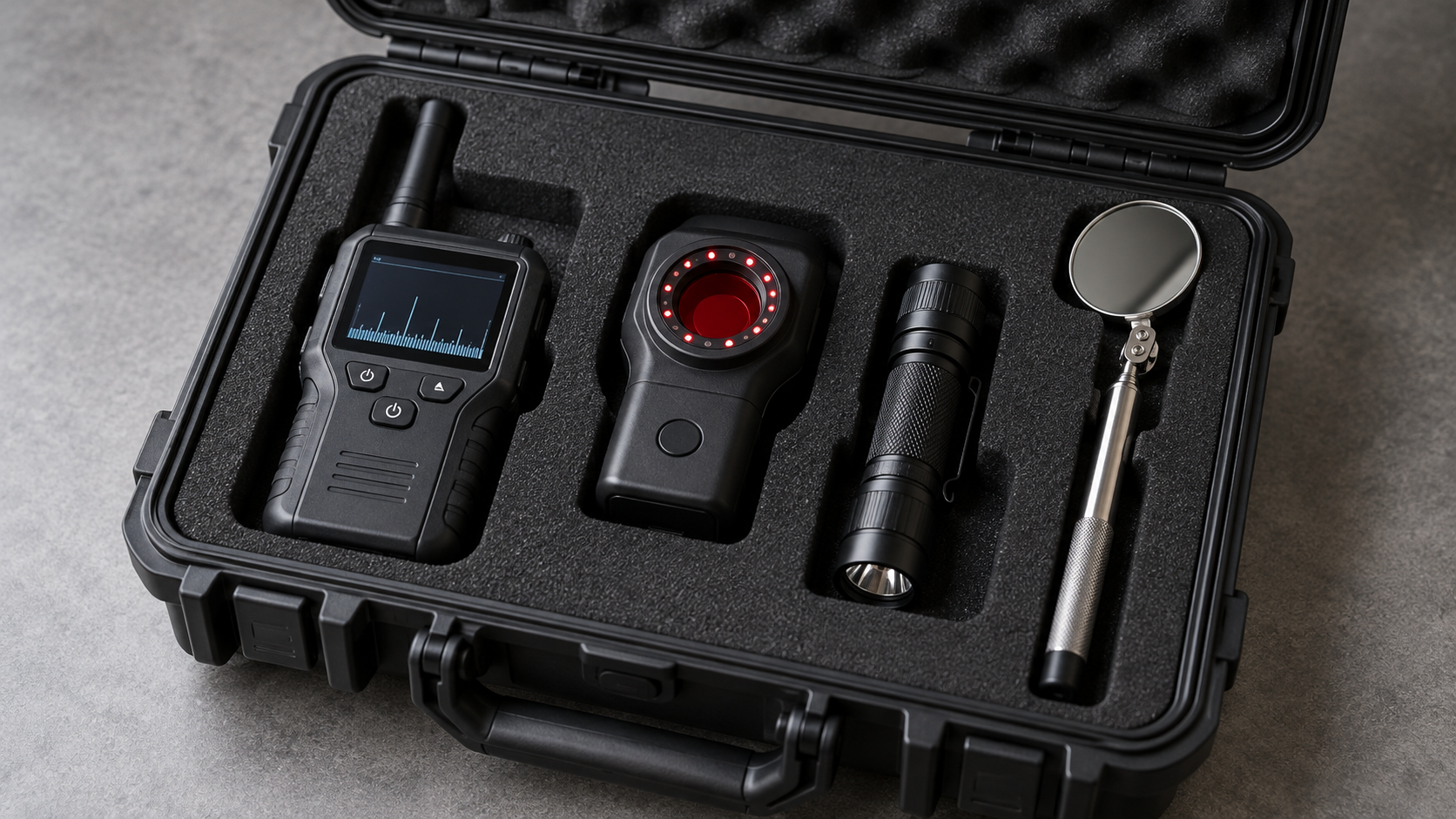
A product presentation of the Basic counter surveillance operational kit: a focused operational format for lawful, structured privacy checks in rooms, offices and controlled assets.
Learn how to build a counter-surveillance baseline for a smart home or office, investigate suspicious signals, reduce false positives and respond safely to potential covert devices.

Learn how to detect a GPS tracker on a car with a real counter-surveillance method: threat assessment, likely hiding spots, detector limits, false positives, and safe evidence-preserving response steps.
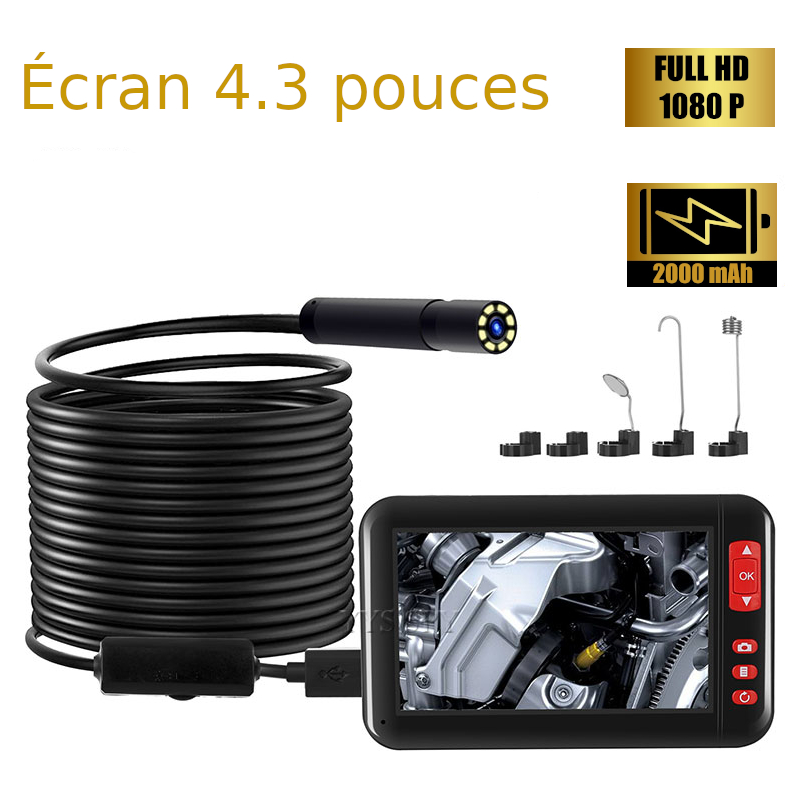
Learn what to do after finding a hidden camera, covert microphone or unauthorized tracker. Expert counter-surveillance guidance on containment, evidence protection, incident scoping and long-term recovery.
Learn how to choose counter-surveillance equipment for real-world sweeps. Compare RF detectors, camera finders, NLJDs, endoscopes, encryption tools and Faraday protection by threat and environment.
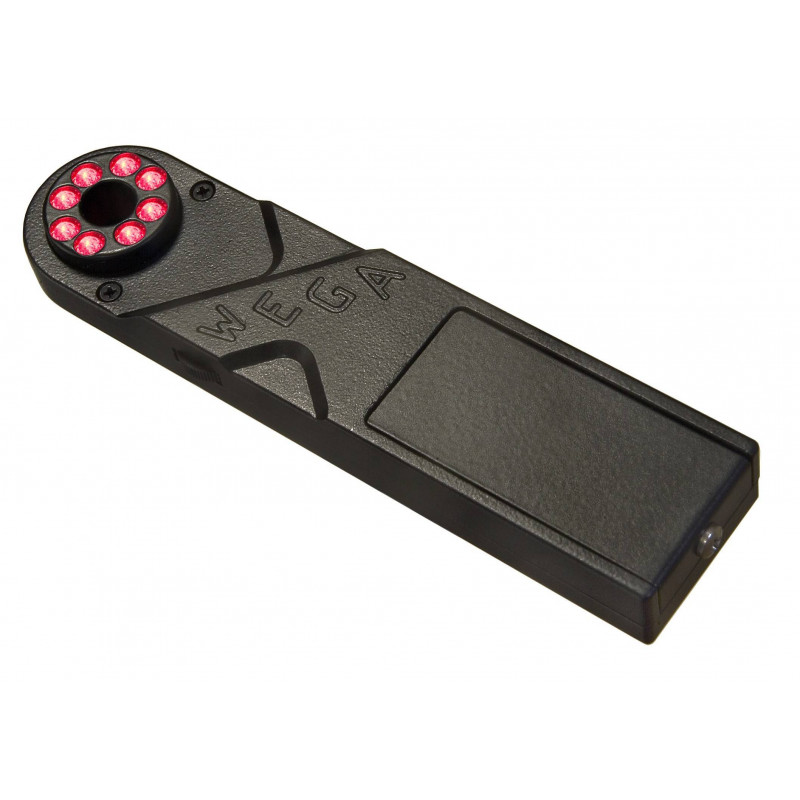
Learn how to apply counter-surveillance by design. This expert guide explains how to reduce the risk of hidden cameras, covert microphones and GPS trackers through room layout, meeting discipline,…
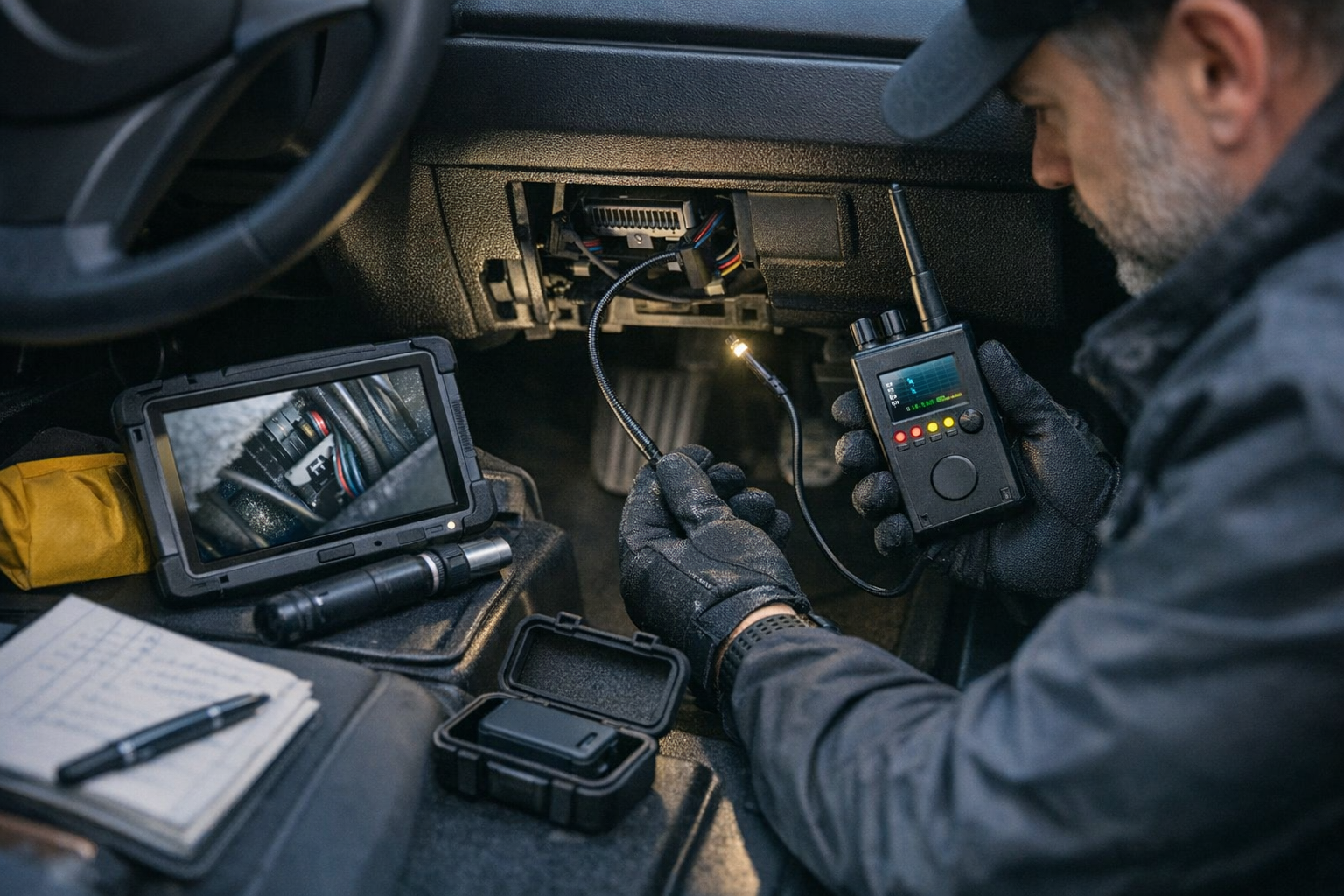
Learn a professional counter-surveillance process to detect hidden cameras, covert microphones and GPS trackers using physical inspection, RF analysis, wireless baselining and evidence-safe response steps.
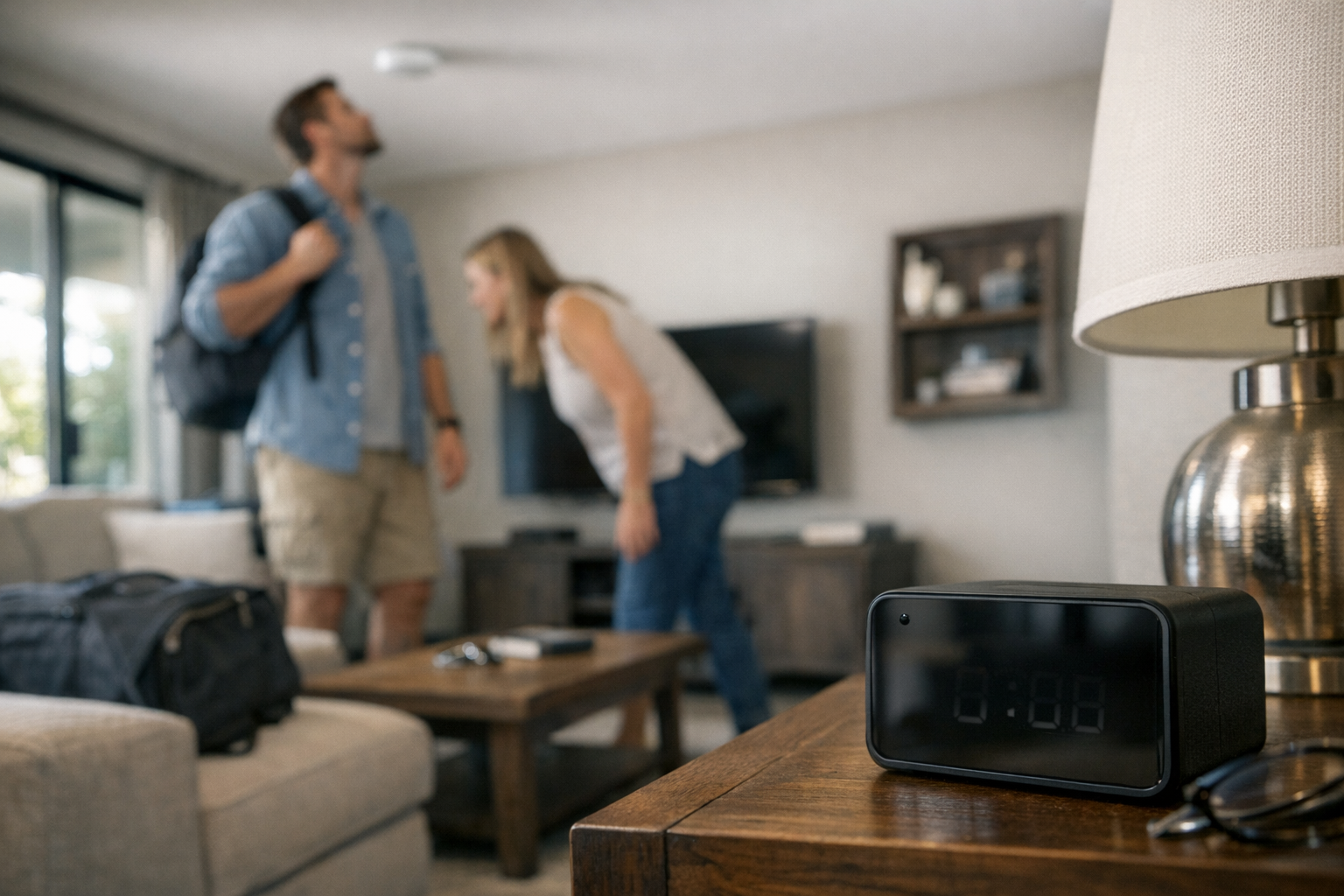
Learn how to spot hidden camera risks in a vacation rental with practical checks, warning signs, and privacy steps before and during your stay.
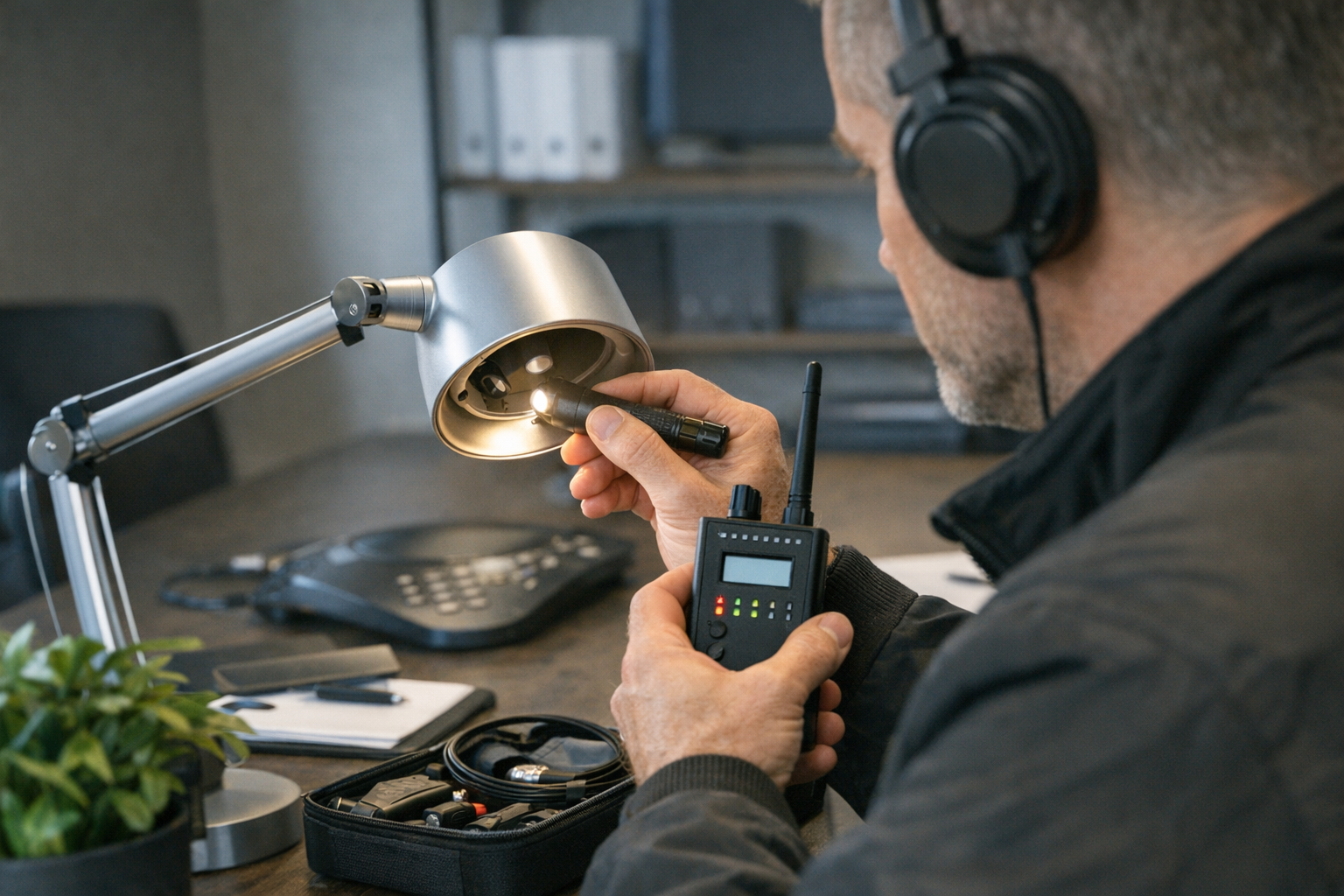
Learn how to detect hidden microphones with practical counter-surveillance methods for homes, offices, cars and rentals.
Try another keyword or reset the filters.
Further reading
The complete guide offers a structured overview. The legal article explains the boundaries, while the equipment finder helps relate your requirements to available tools.
Understand before choosing
How can you look for a hidden camera, investigate a possible microphone or check a vehicle without treating every anomaly as proof? This directory organises the reading by subject. Articles discuss methods and limitations for private and professional settings: start with the overview, explore a technology and then examine a practical case.
A useful hidden camera detection guide explains what can be observed and what remains outside the inspection. Visual checks, optical searches and RF observation provide different evidence. Guides on accommodation and meeting rooms put these methods into a practical setting.
A signal or reflection alone does not establish surveillance. The articles explain how to document an observation, look for a legitimate explanation and decide whether specialist examination is appropriate. A detector remaining silent is not a guarantee that every possible device has been excluded.
When choosing counter-surveillance equipment, begin with the question the inspection must answer. RF detectors look for radio activity within their reception conditions. NLJDs look for responses from electronic components. Optical tools, thermal imaging and inspection endoscopes address other questions.
DigiScan Labs and JJN Digital comparisons, together with the SDR articles, help explain coverage, configuration and intended use. Product pages in this store provide the specification for the exact reference. A technology name alone does not establish what a particular device can detect.
A GPS tracker search on a car needs to distinguish satellite reception, position reporting and local storage. The vehicle guides also address intermittent transmissions and the legitimate electronics already fitted to many vehicles.
These articles help prepare questions for the owner, fleet manager or specialist. Permissions and ownership are part of the assessment, particularly for a company vehicle or an unfamiliar module. Physical findings need to be interpreted alongside the equipment's purpose and the inspection scope.
Business counter-surveillance covers meeting rooms, documents, connected devices, accounts and travel. Specialist articles consider room preparation, the period after a meeting and changes caused by maintenance or hybrid work.
An authorised phone or computer can also expose images, audio and data. Physical checks therefore need to connect with digital protection and access management. For a hotel, home or temporary workplace, choose guidance suited to the available access and the rights of the people using the space.
The guides on finding a suspicious camera or bug separate personal safety, factual documentation and the next steps. An unfamiliar object's appearance does not identify its owner or establish that it is unlawful.
The legal guide addresses equipment, private and workplace situations and the limits around lawful investigations. It distinguishes unlawful obstruction from the exercise of defence rights. Follow its official sources when you need to examine a particular rule or jurisdiction.
Use the filters to move from an inspection method to a practical setting, then compare the counter-surveillance equipment families. Article links lead to related guides, categories and product pages in this store.
The interactive equipment finder can help clarify your requirements. Return to the complete counter-surveillance guide for a structured overview. This library helps you find the relevant reading as your questions become more specific.
Start with the complete guide for an overview of methods, equipment families and their limits. Then choose a specialist article for the location, technology or information concerned.
Choose Hidden cameras or Hotels and travel, or search those terms. The articles explain practical observations, limitations and responses to suspicious objects.
Use Equipment and comparisons. Identify each tool's function first, then check the exact model and the inspection methods that complement it.
Choose Vehicles and GPS. The guides distinguish positioning, transmission and storage and explain the precautions involved in a vehicle inspection.
Yes. Each card identifies the publication type and you can select it with the type filter. Publication dates are shown when available.
The legal guide is linked from this page. It discusses privacy, permissions and intervention boundaries with official references.
Compare equipment families and catalogue references, or use the finder to narrow your search.


