The most useful purchase starts with understanding what each device can and cannot do.
Wi-Fi hidden cameras
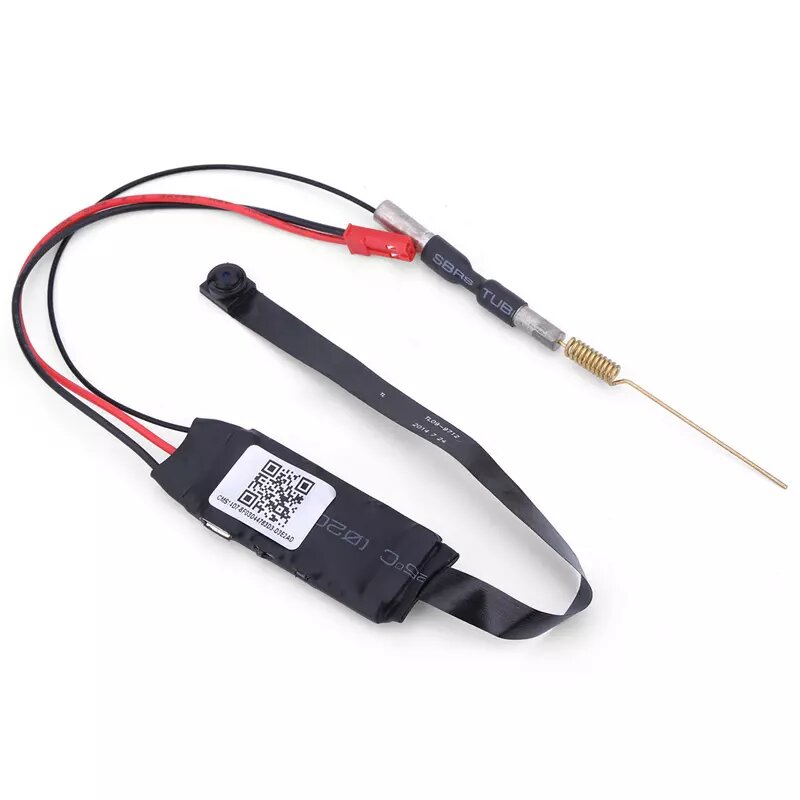
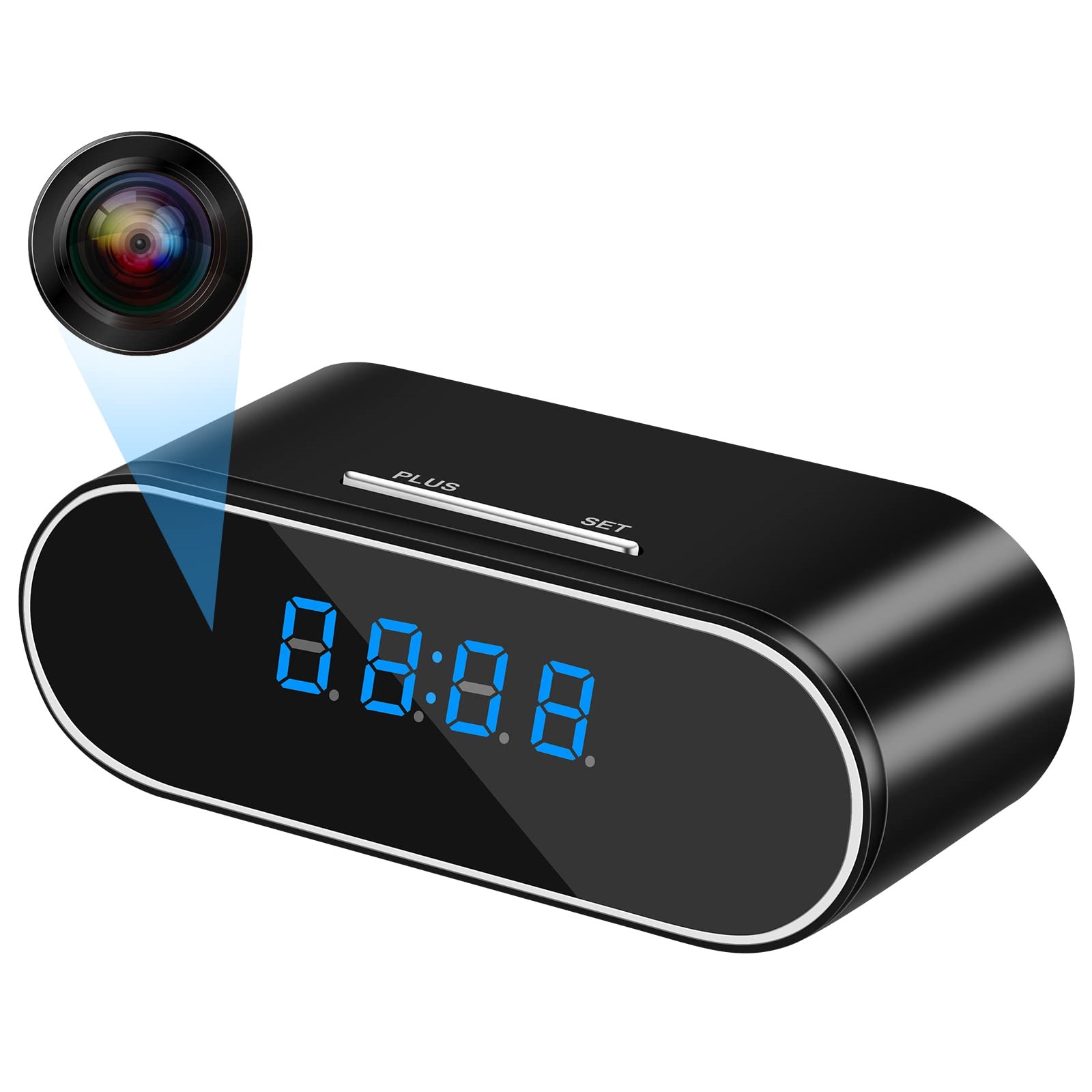
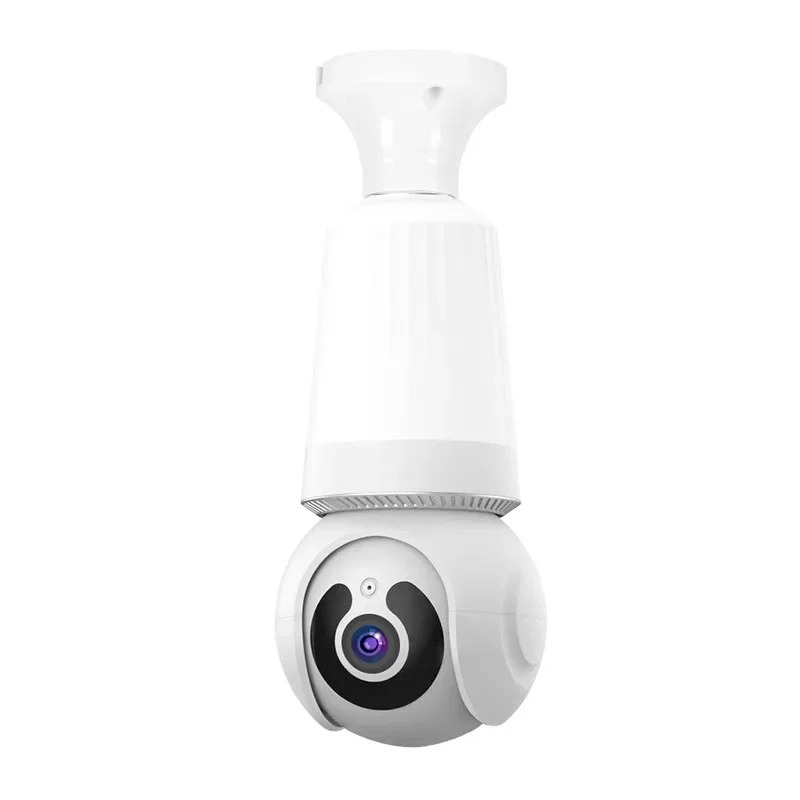
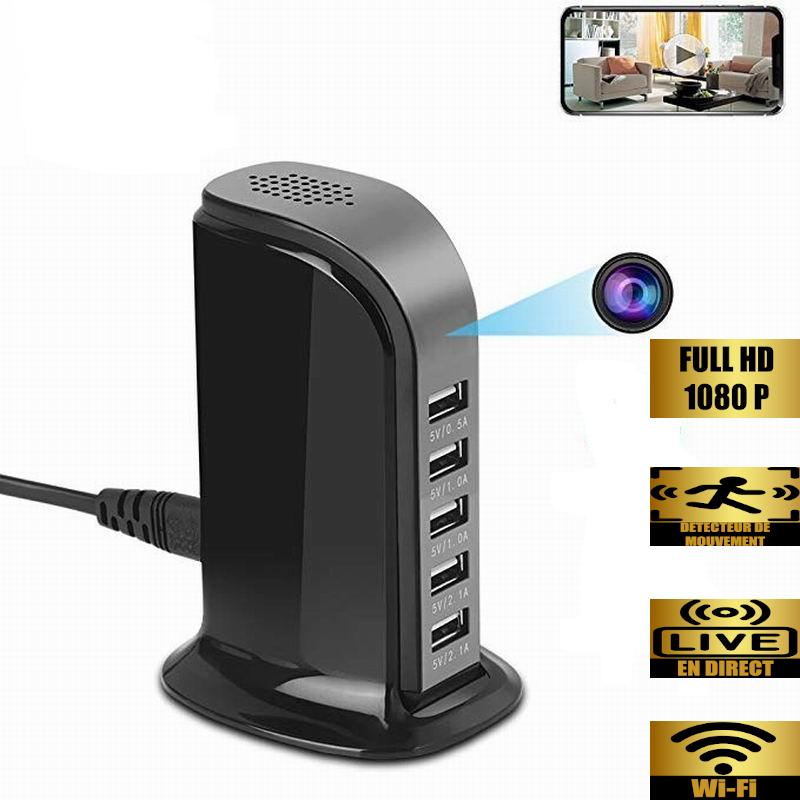
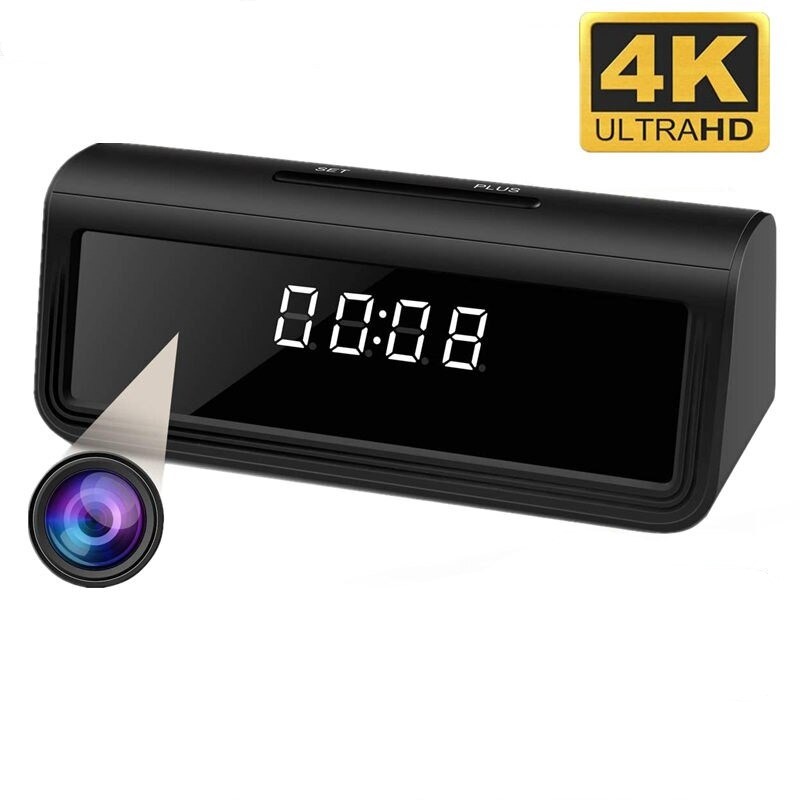
A Wi-Fi spy camera uses a compatible local wireless router. Remote viewing normally requires an internet connection and a device with a supported remote-access function; nearby P2P access alone does not guarantee access from another location.
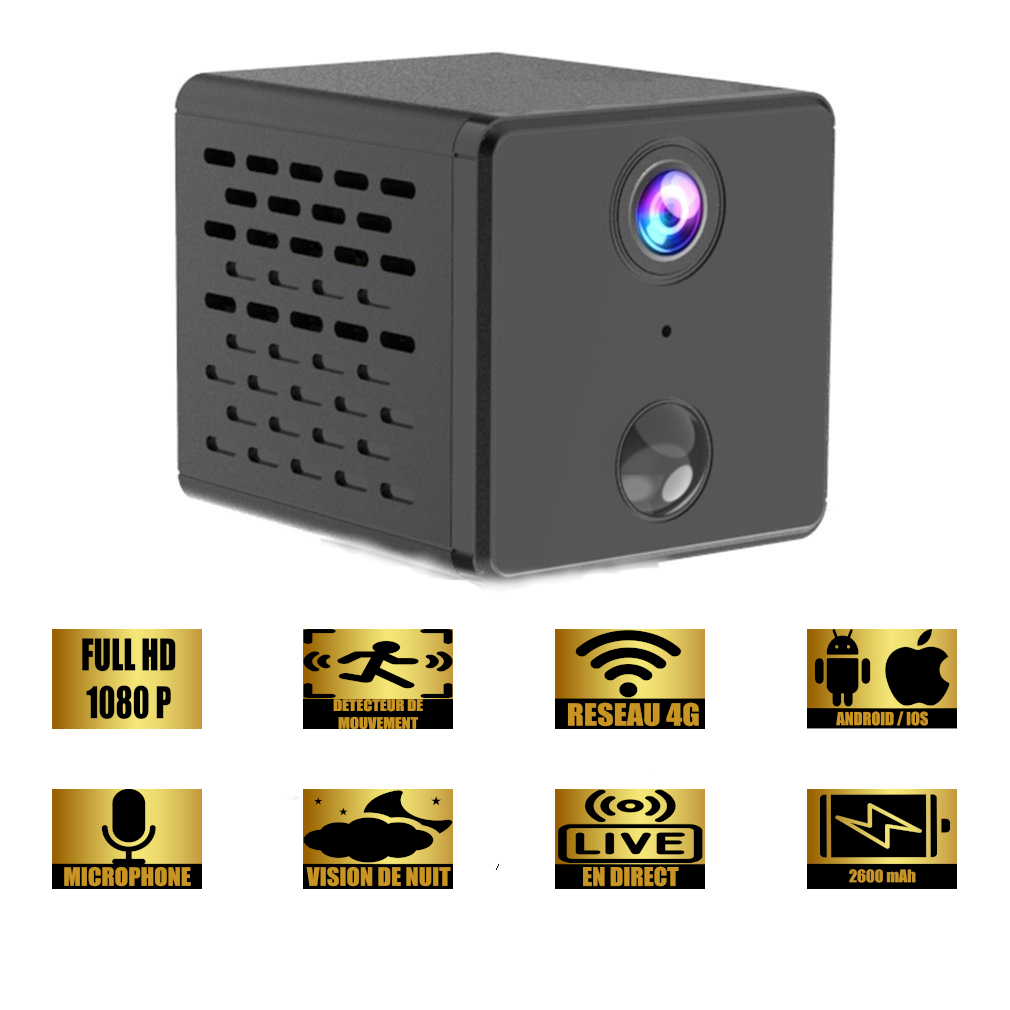
4G cameras with SIM cards
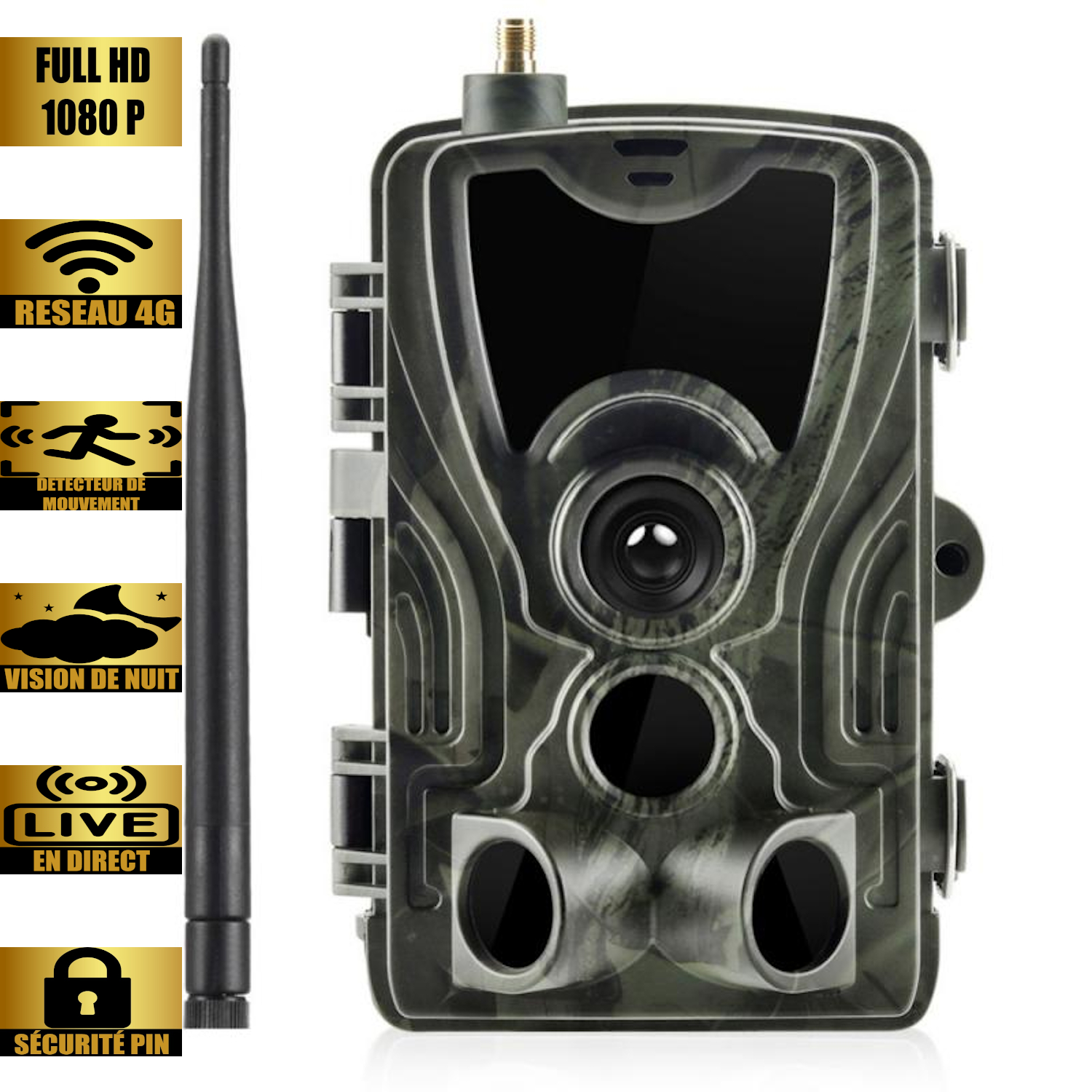
A 4G LTE spy camera uses mobile connectivity, which normally requires a suitable SIM card, a data service and network coverage where it is installed.
Offline recording and night vision
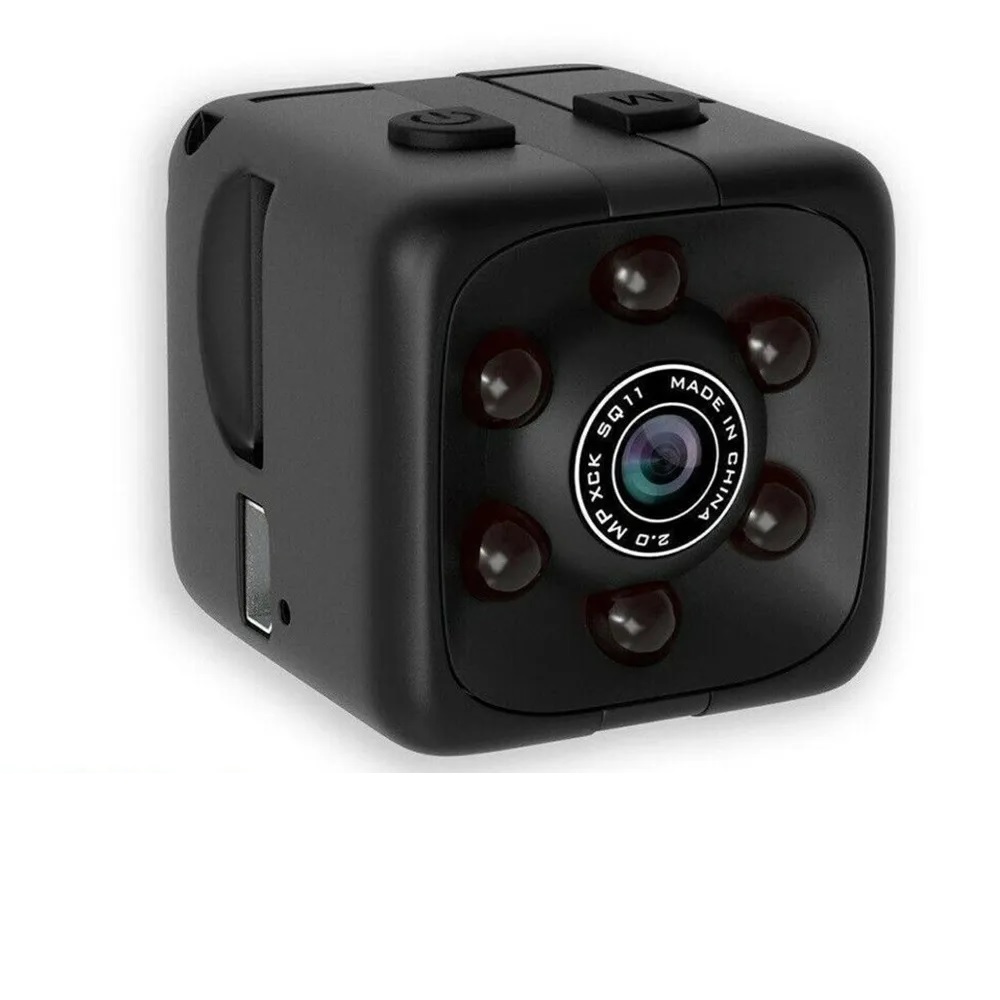
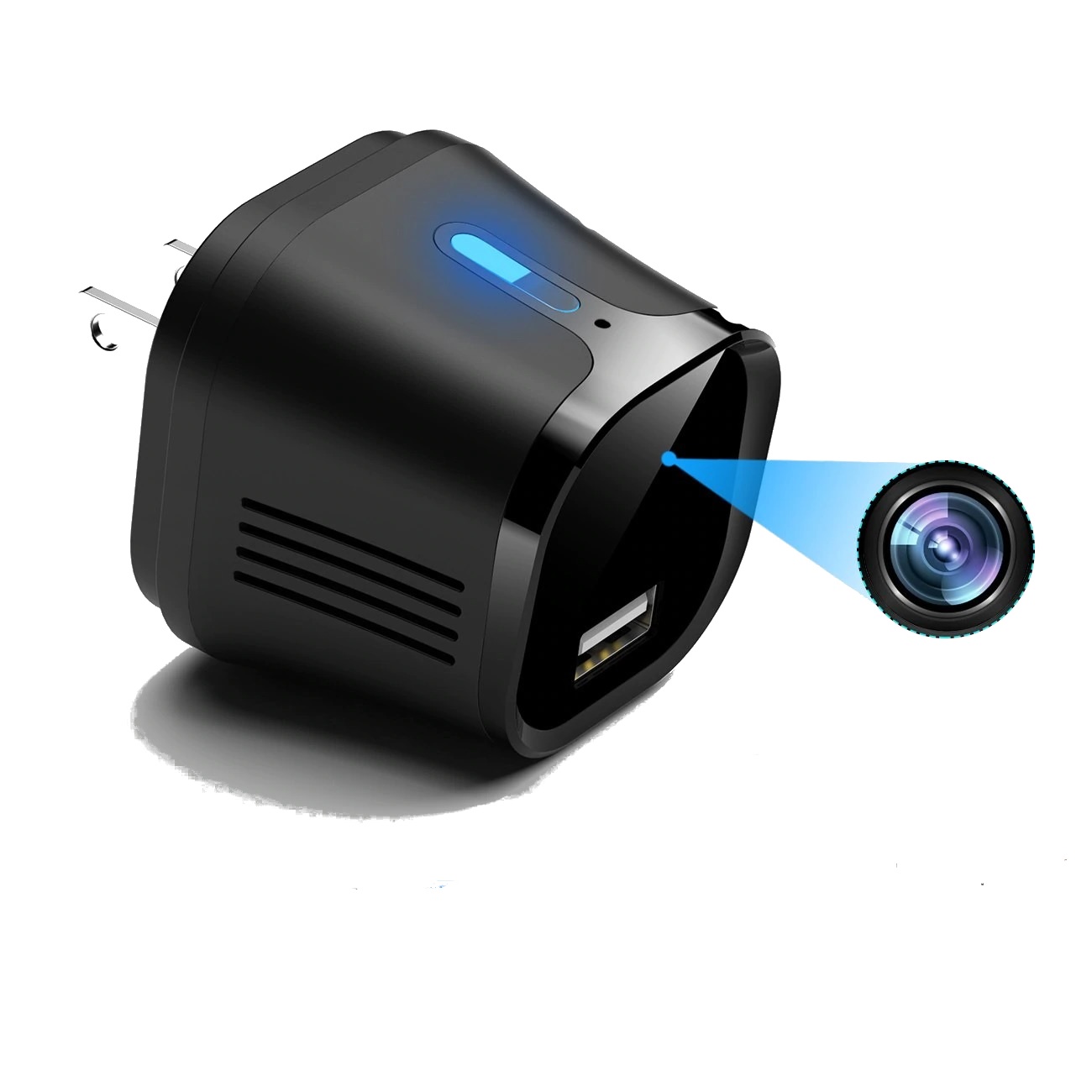
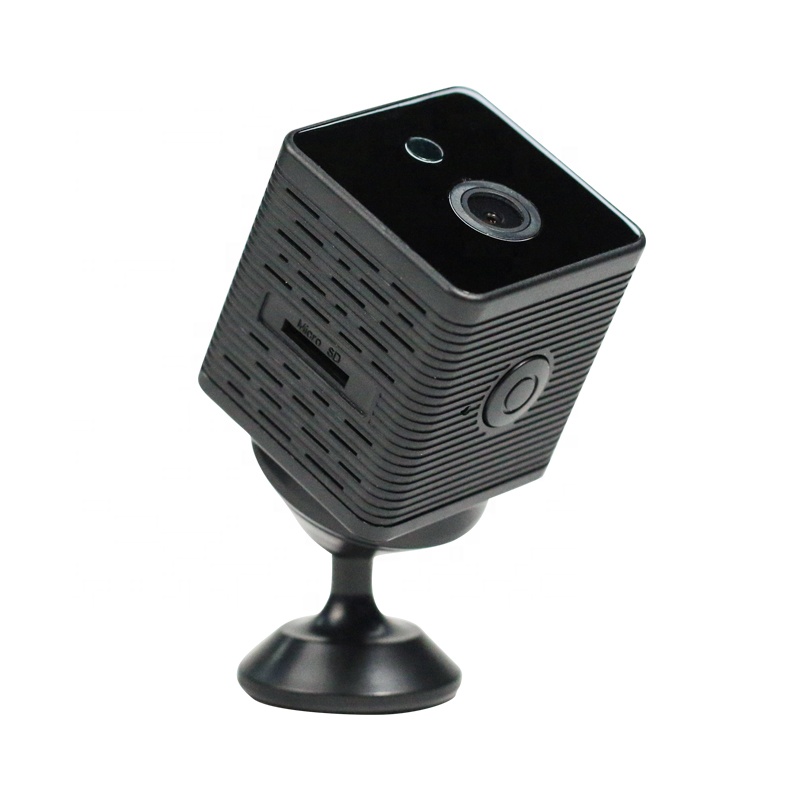
A mini camera with local storage may save video for later review, independently of remote access. Confirm any infrared night vision, microSD requirements and actual continuous recording time on its product page.
Practical criteria for choosing the right equipment
Start with the actual purpose
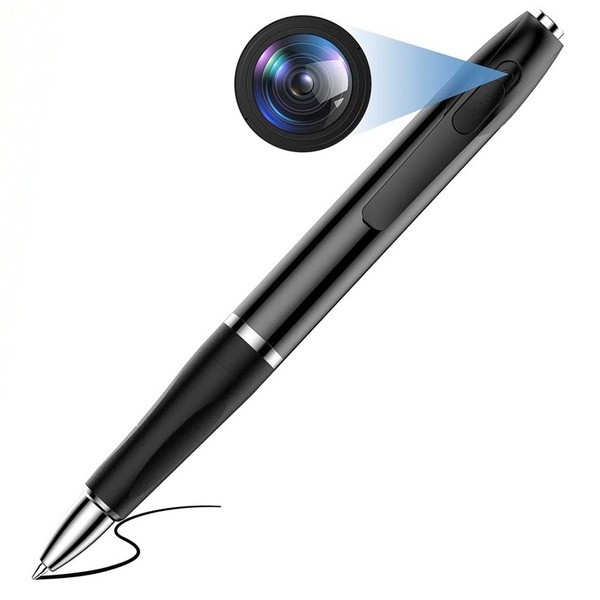
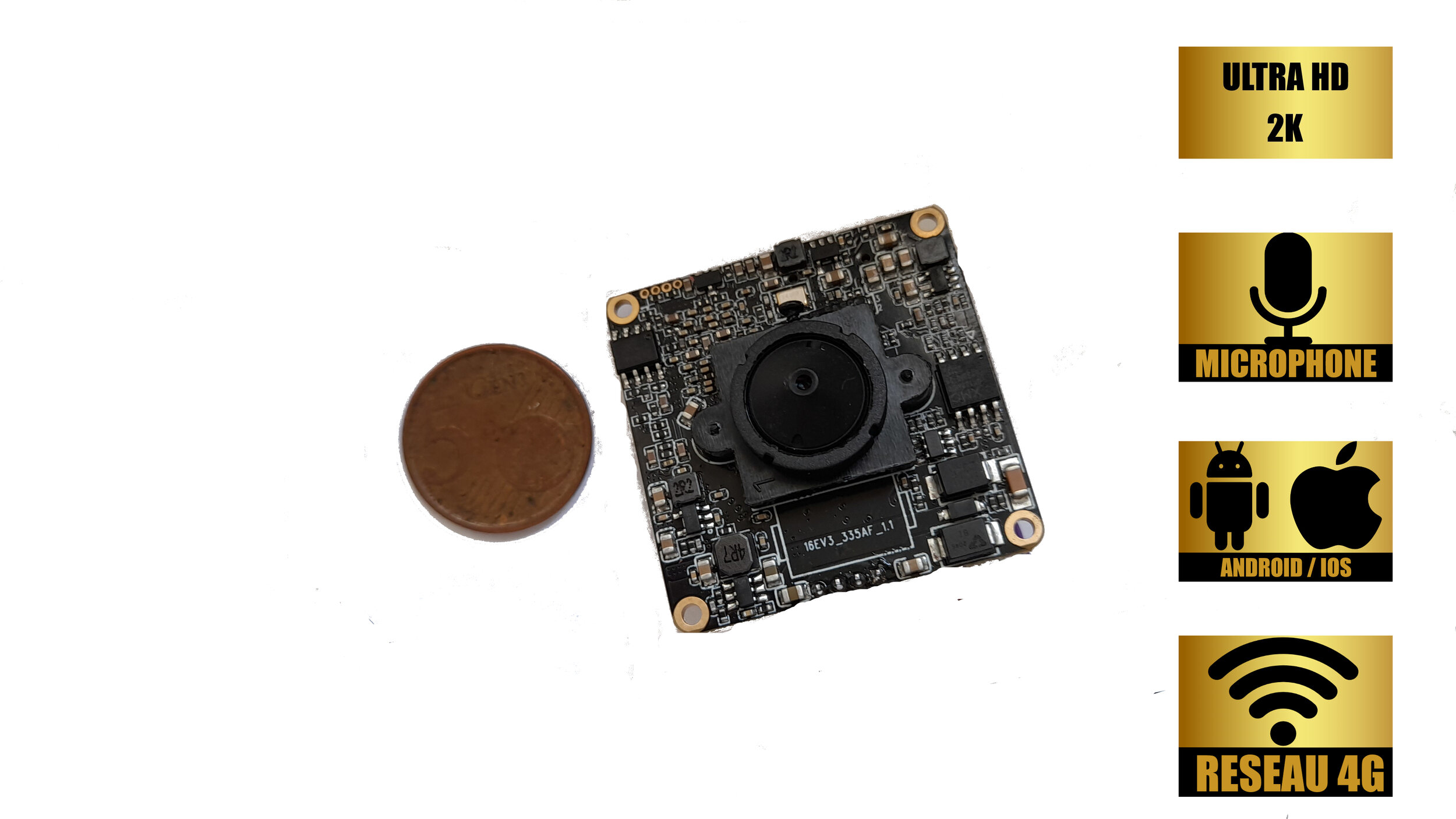
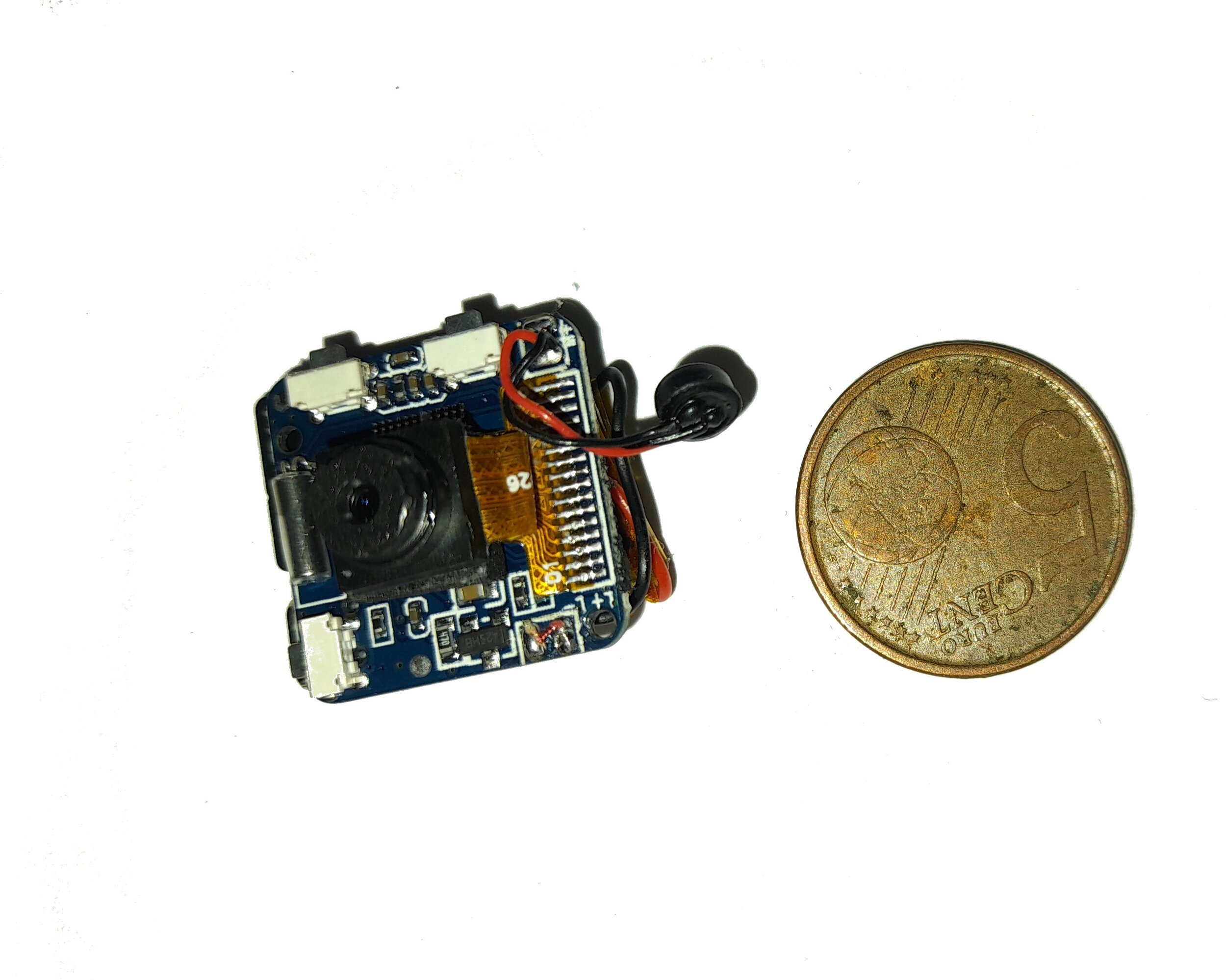
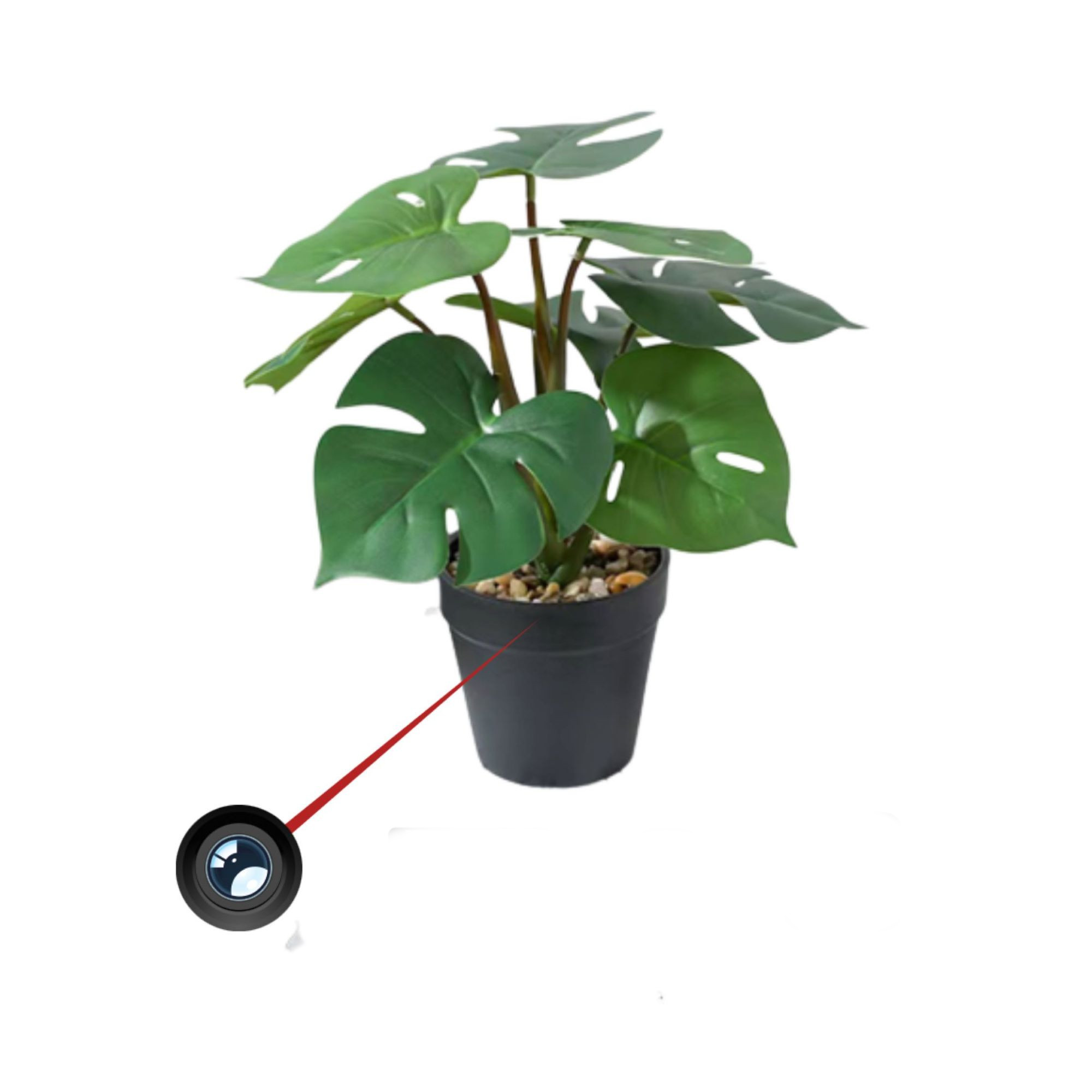
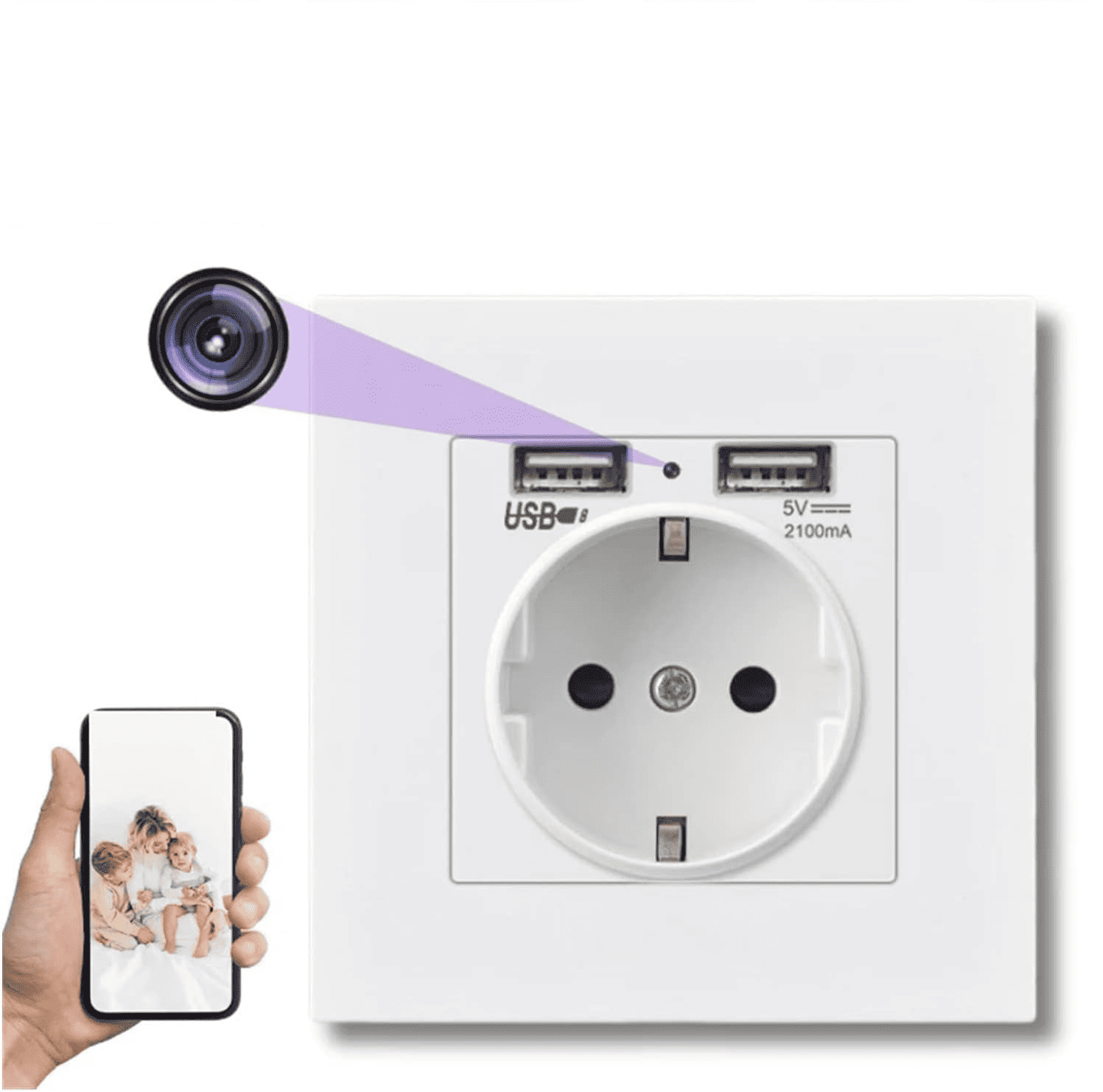
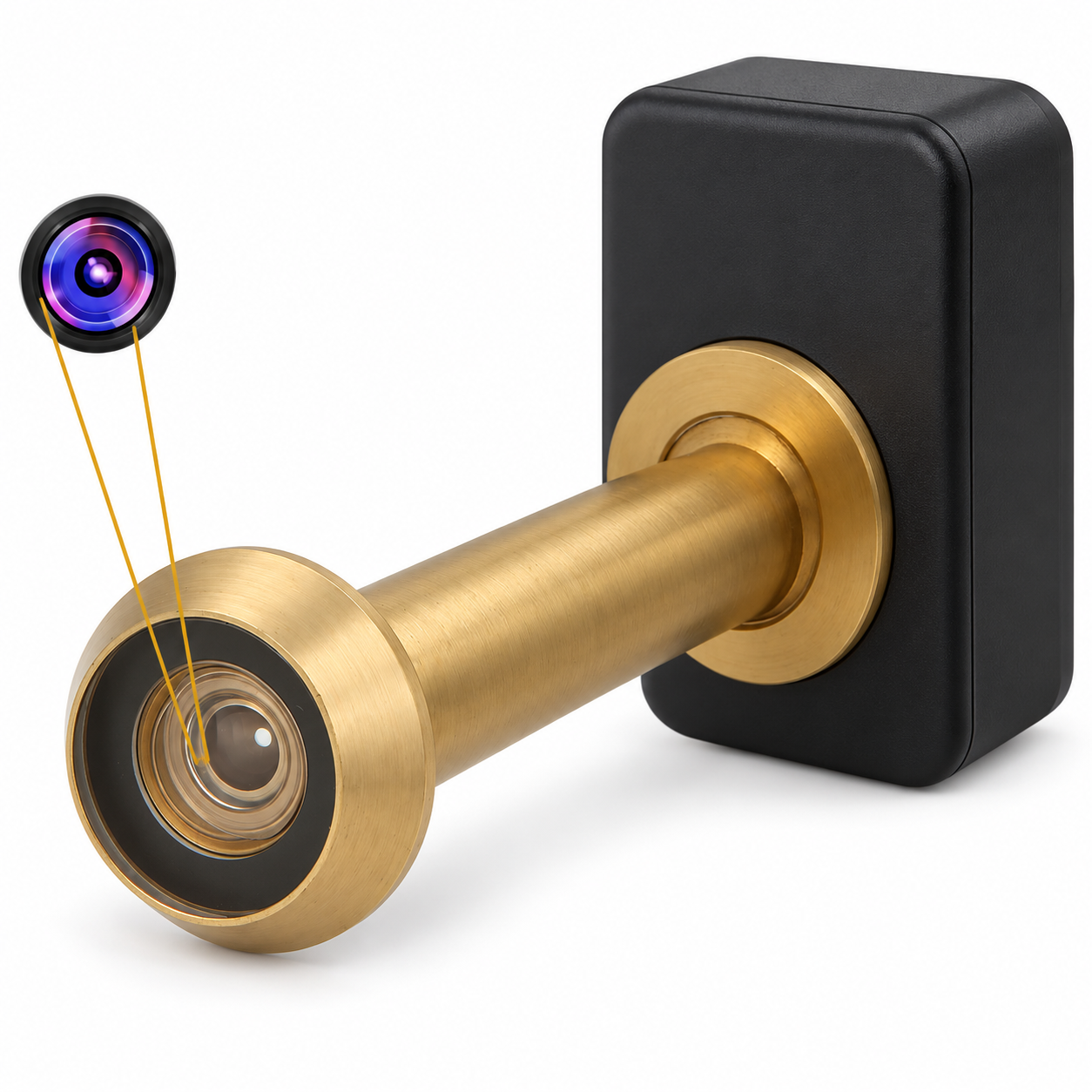
Wi-Fi spy camera, 4G hidden camera, mini camera or local recording camera? Our interactive advisor explains the differences between remote access, local storage, battery power and discreet installation to help you choose. The ideal device depends on the environment, how its output is accessed and the constraints of the task. Choose only the functions you really need and check specifications rather than relying on broad marketing claims.
Compare compatibility, reliability and the complete setup
Look beyond the initial price: connectivity, compatible software, power supply, storage, network service, installation and product variants may all affect the final choice. A professional or miniature device may need additional setup to perform reliably.
Why limitations and independent checks matter
Technology has environmental and operational limits. Test your equipment under appropriate conditions, do not assume an unsupported capability, and follow local laws concerning privacy, security and device use.